Posts tagged The Lowriders
Artist Talk: Erik Paul Howard in Conversation

Thursday, September 17, 2026, at 5:30 p.m.
Marshall M. Fredericks Sculpture Museum
Saginaw Valley State University


Join photographer Erik Paul Howard for a conversation about how a photographic body of work is shaped across 20 years through relationships, accumulated images, memory, collaboration, editing, printing, and the demands of finally making an exhibition.

Moderated by SVSU Professor of Art Shaun Bangert, the conversation will center Howard’s development of The Lowriders: From Detroit to L.A. and Back, from the beginning as an evolving photographic archive to its current life as an exhibition.

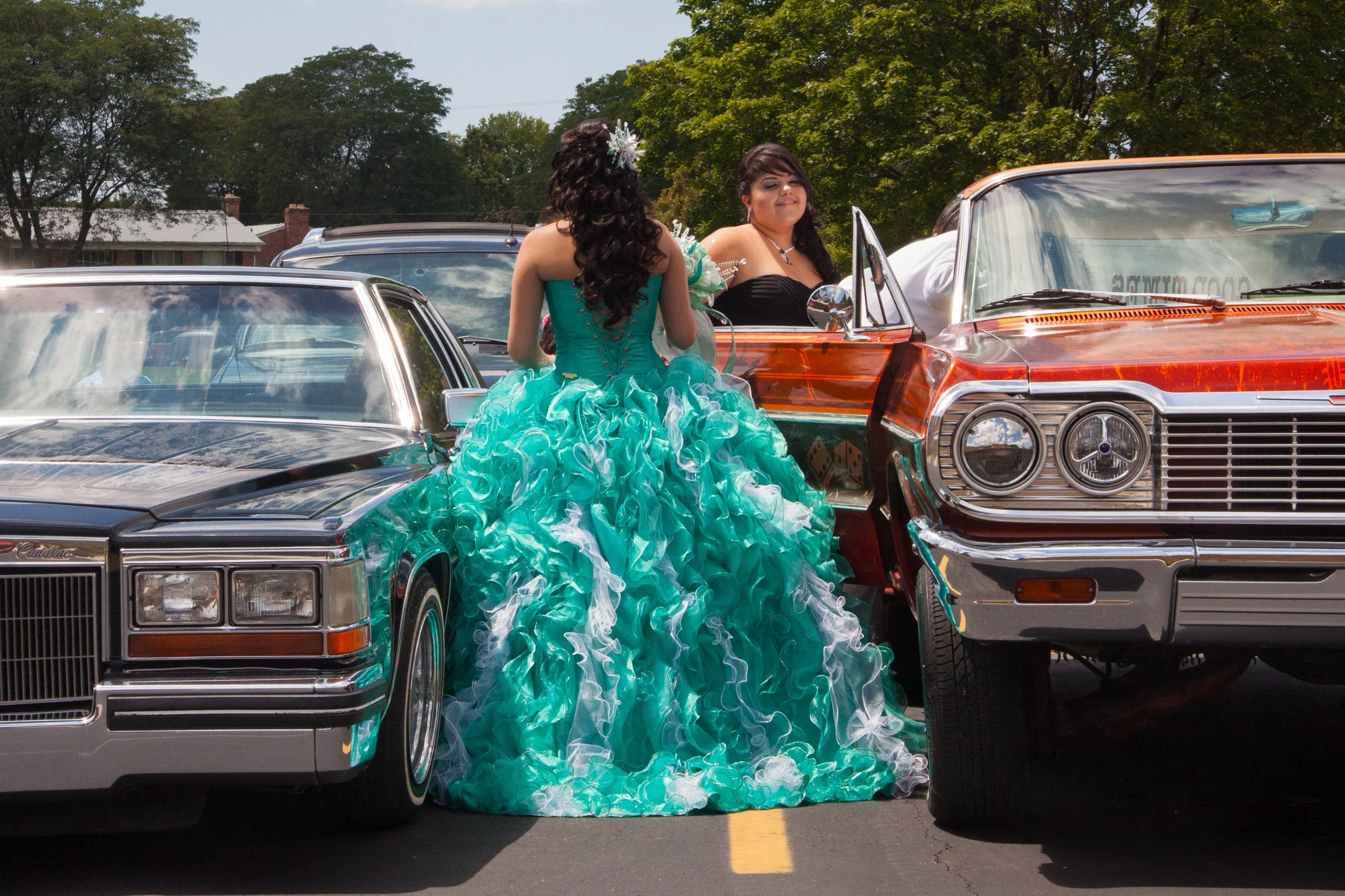
SVSU alum Kathy Perez stands between two lowriders during her quinceañera celebration. St. Thomas Aquinas Church, Detroit, MI (2013)

Howard will be joined by three guests whose relationships to the work offer distinct ways into its story: Kathy Perez, who grew up lowriding, is an SVSU alum, and first brought Howard to the Marshall M. Fredericks Sculpture Museum 10 years ago; her father, Abel Perez, a lowrider with the Detroit chapter of GoodTimes Car Club; and Gabriela Baginski of Image Works, who worked closely with Howard to print the exhibition.

Together, they will consider how photographs gather meaning through lived experience and collaboration, and how decisions about sequence, scale, materials, and space transformed the project once it entered the museum.
Making The Room

“There had been so many moments throughout this process where I knew what I wanted something to feel like but didn’t necessarily know the best way to make it happen.”

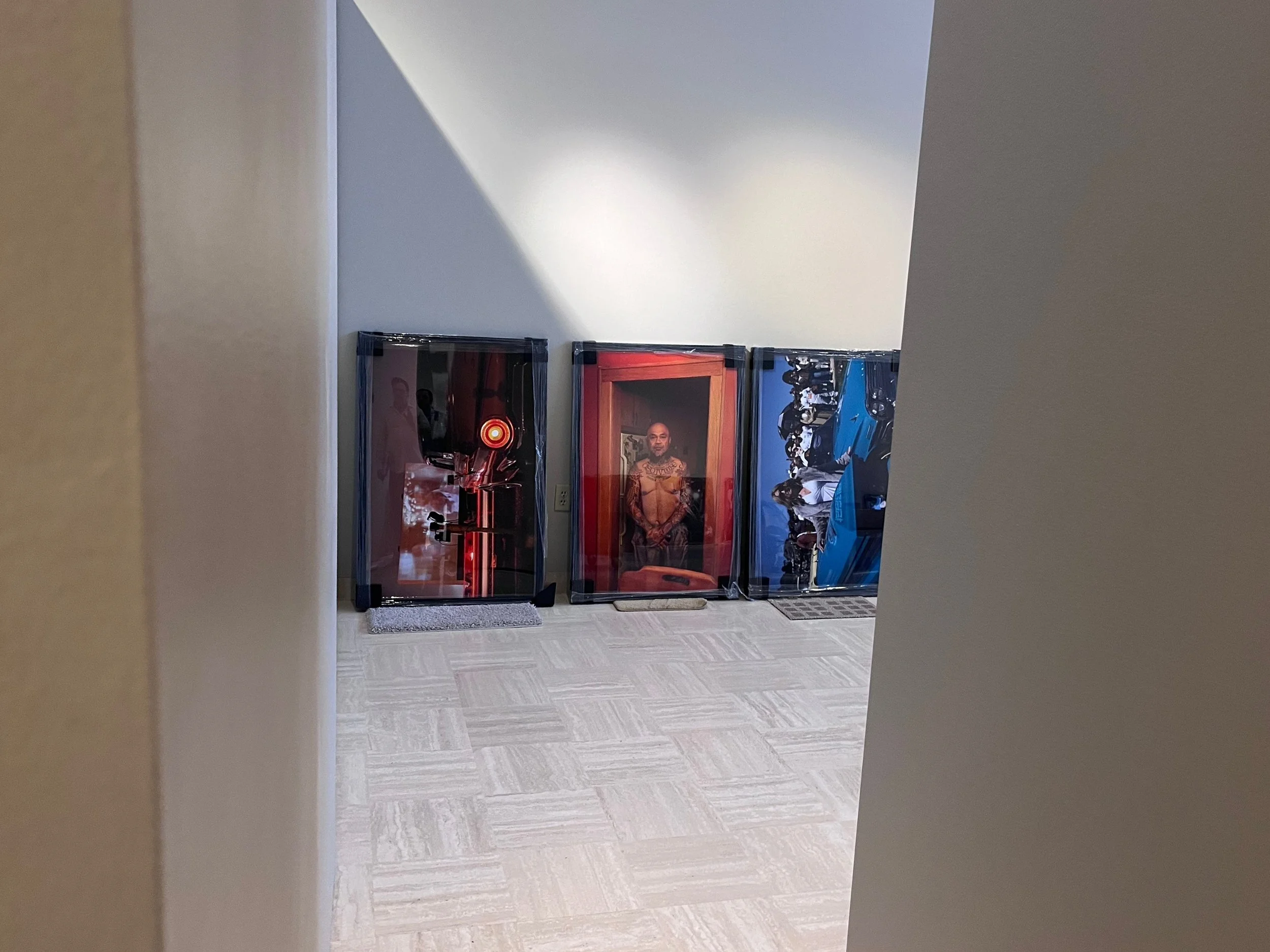
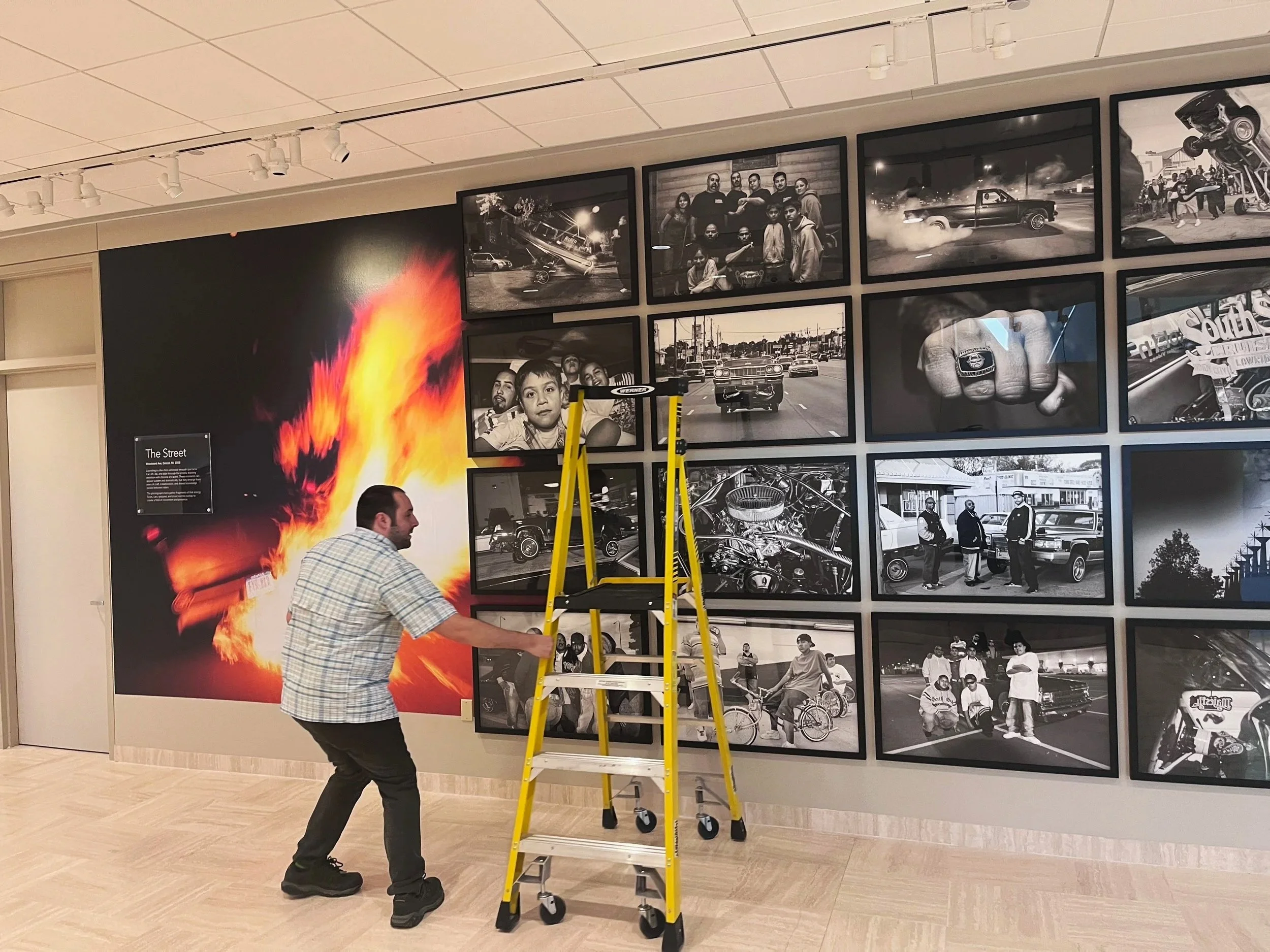
By late July/early August there were still a lot of moving parts to solve before the exhibition could really become a finished room (and hallway).

All the photographs were in Saginaw but we still had the vinyl, wall text, measurements, installation questions, and a timeline that was getting tighter by the week.

At our annual lowrider picnic at the Detroit Historical Museum I was talking to Dave Marchioni, who works there, and he recommended that I reach out to Tim at Wall Street Productions.

Dave Marchioni leads a Lowrider Garage workshop with Inside Southwest Detroit at the annual Uso Detroit picnic at the Detroit Historical Museum. (2026)

That connection came right on time. From the first conversation Tim was clear about what they could do, what things would cost, how long they would take, and where we might need to adjust. That kind of certainty was incredibly helpful at this stage of the project.

Our first trip to the museum together immediately felt collaborative. We walked through the galleries, talked again through the vision for the show, looked at potential obstacles, and took measurements.

Over the next few weeks, we kept working through challenges one at a time. By install week, so many things that had existed as drawings, files, proofs, measurements, and plans were finally becoming physical. It was a reminder for me of just how much physical projects depend on people who know how to make ideas work in real space.

There have been so many moments throughout this process where I knew what I wanted something to feel like, but didn’t necessarily know the best way to make it happen. Having people around who listen carefully, understand the intention, and help solve for the actual walls makes all the difference.

And the room was finally starting to look like the exhibition we had been imagining as a result.

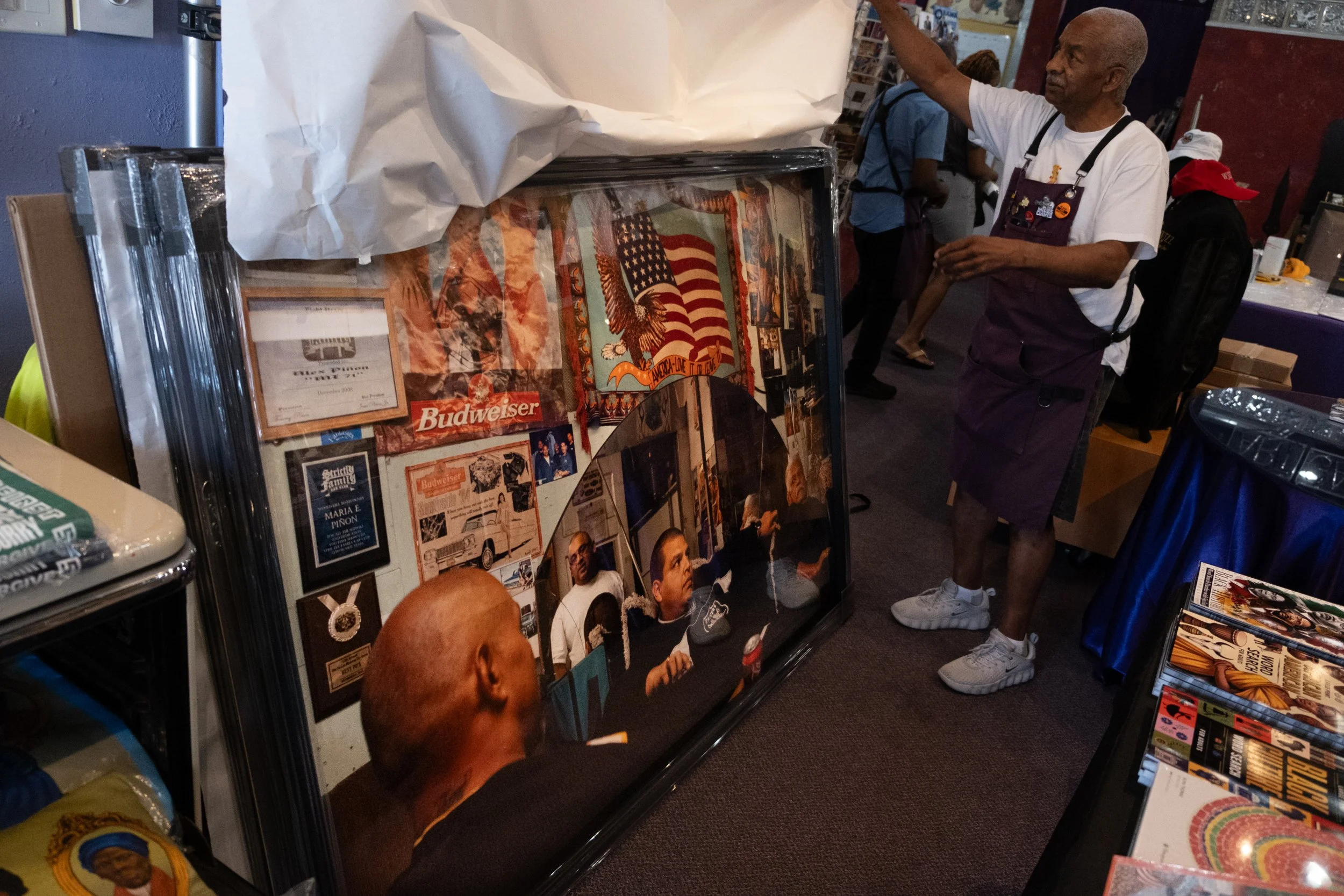
I've Been Framed

“One of the things I really appreciate about having support for a project like this is getting to spend some of that support with people and places I already value.”

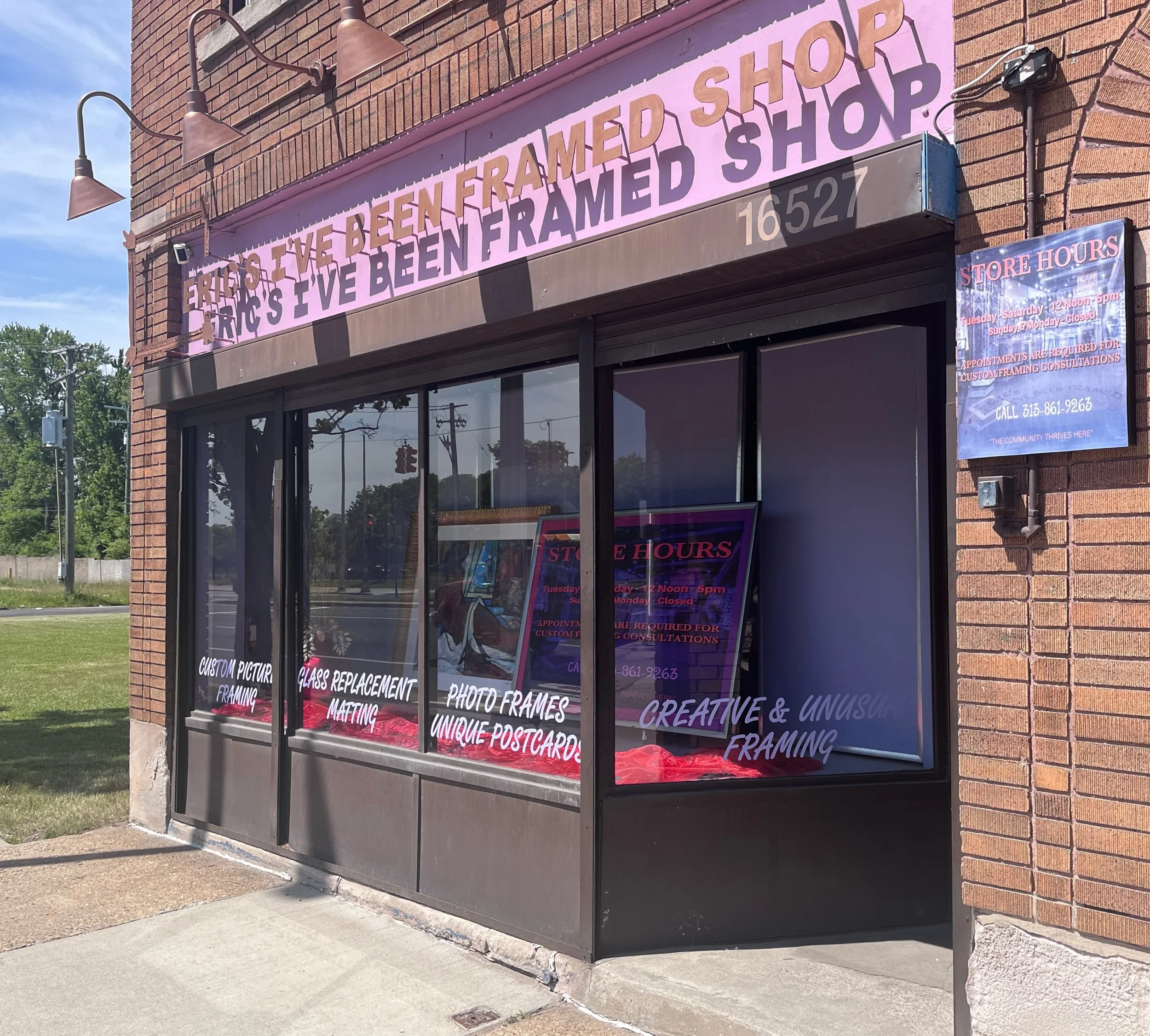
I’ve known about Eric’s I’ve Been Framed Shop for 16 or 17 years.

I first noticed it while attending the University of Detroit Mercy across the street, partly because we share a name. LOL. Over the years I’ve stopped in, bought a few things, and sent plenty of friends and artists there for gifts or framing.

So it felt especially good to finally have a project large enough to bring myself.

By the time I called Eric, I was coming in a little late. There were a lot of moving parts with this exhibition and it took time to get printing, sizes, quantities, and logistics settled. He took my call, listened carefully to what I needed, and gave me a clear sense of what he could realistically do, how long it would take, and what it would cost.

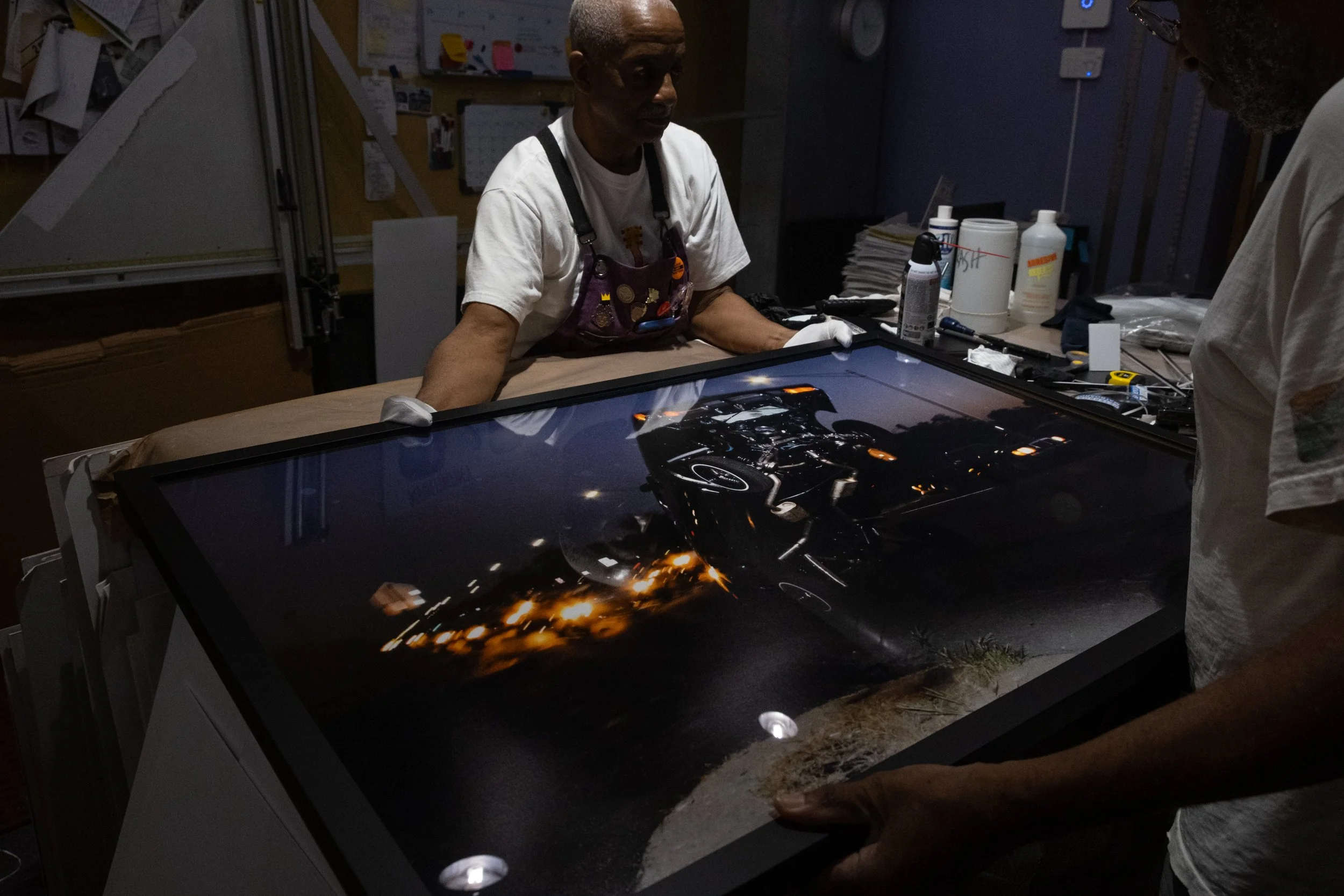
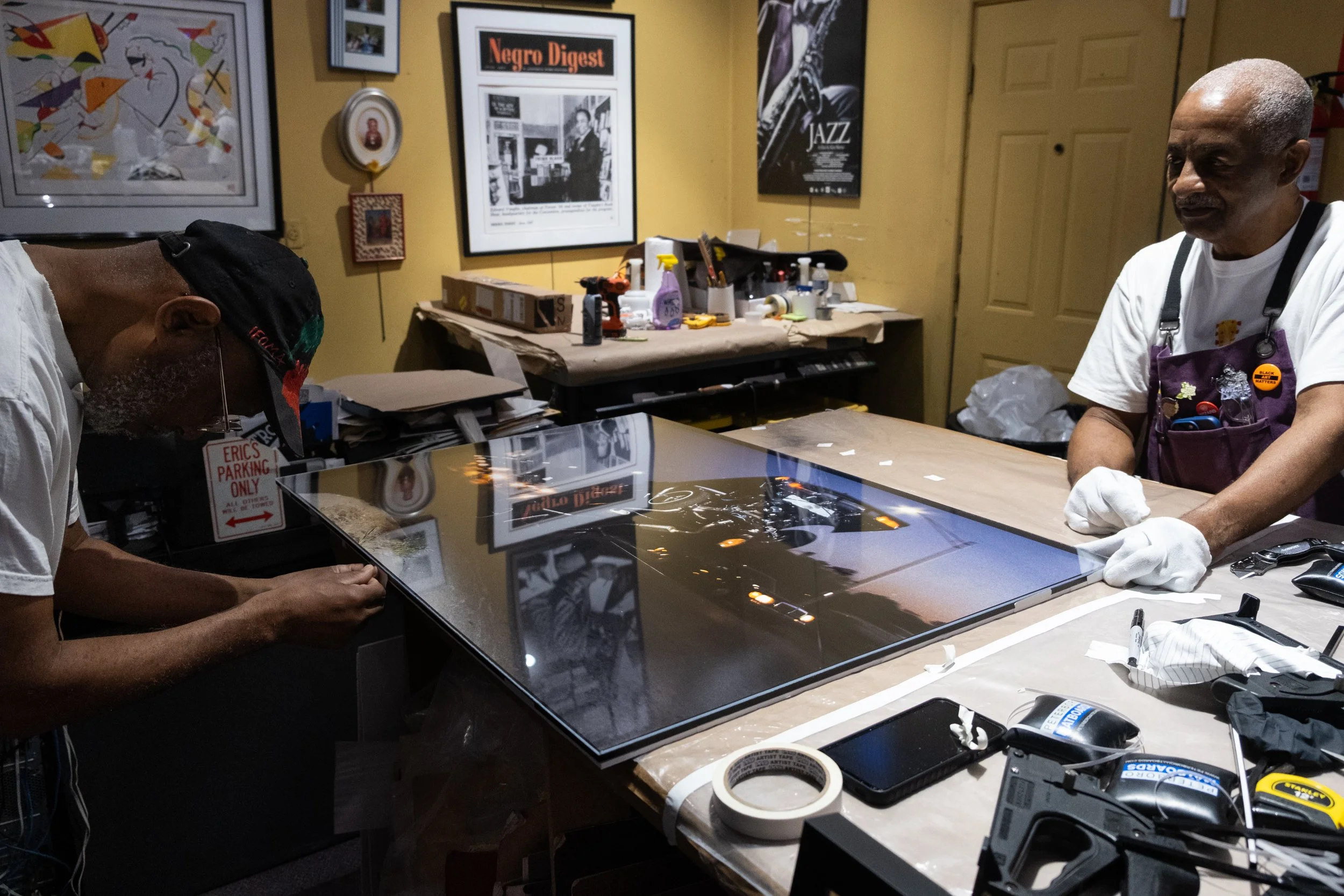
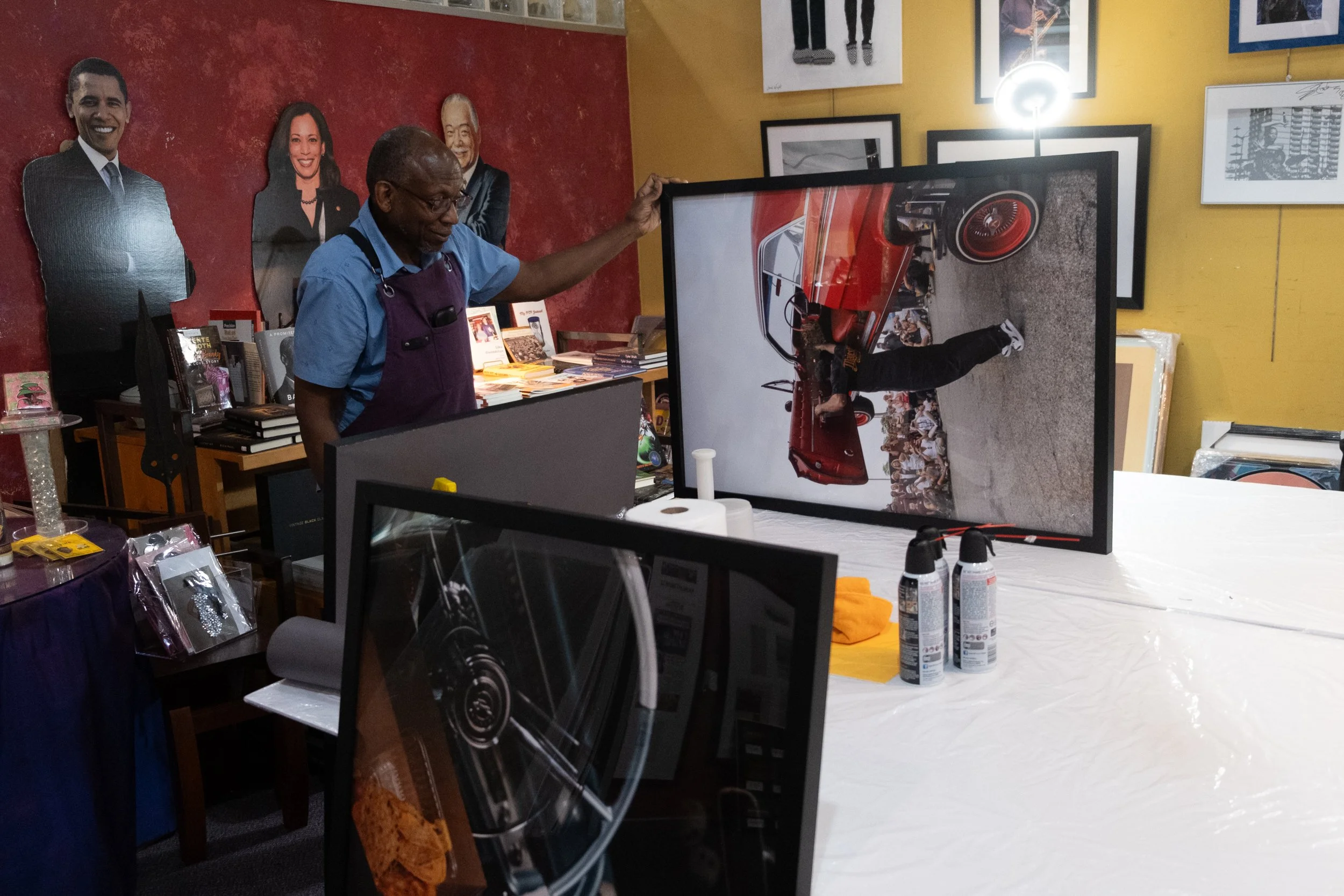
I dropped off the 24x36 black and white prints first, then came back a week later with the color photographs. On that second visit I got my first look at some of the frames while they were being finished.

There are a number of frame shops around Detroit that could have handled this work well. But one of the things I really appreciate about having support for a project like this is getting to spend some of that support with people and places I already value.

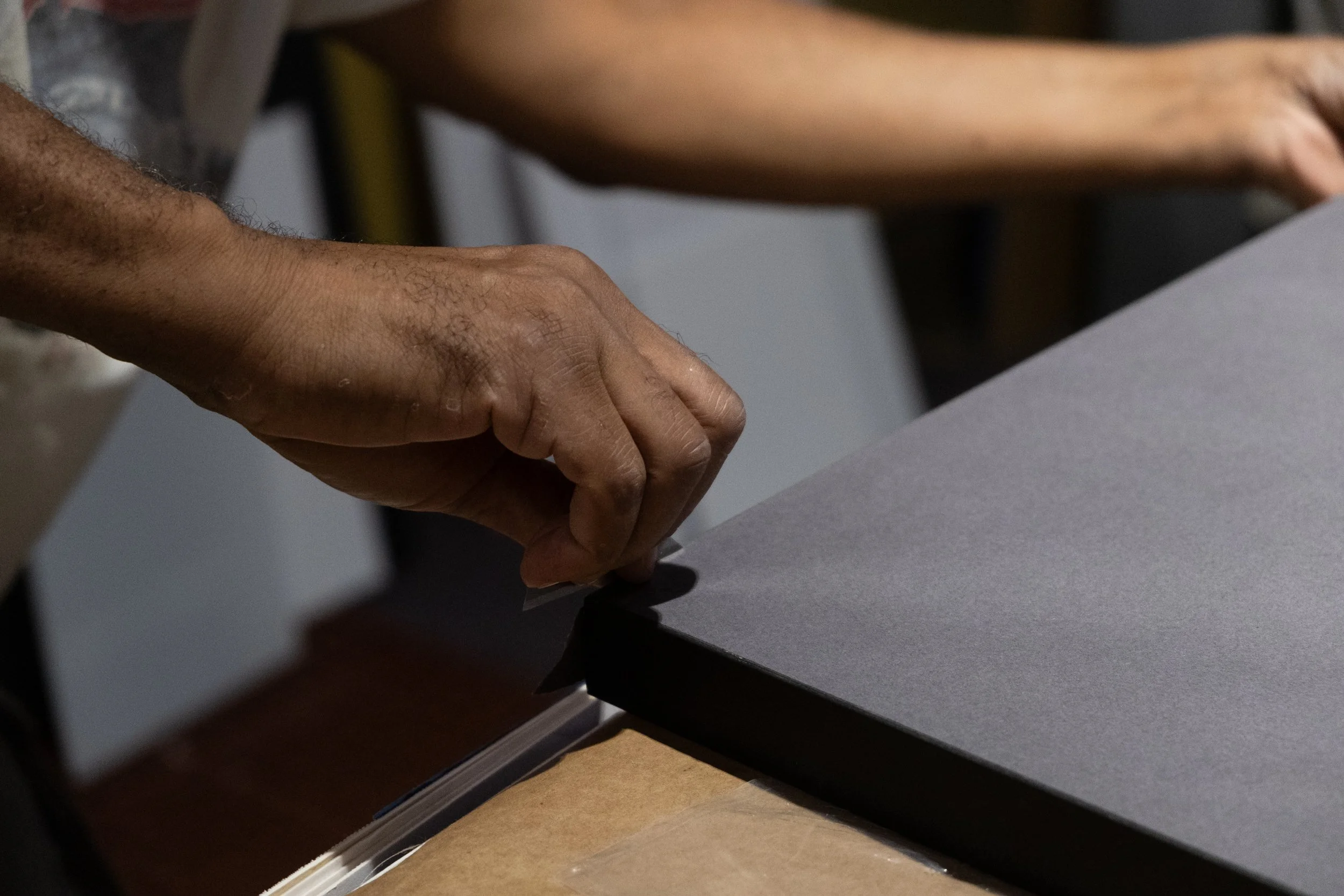
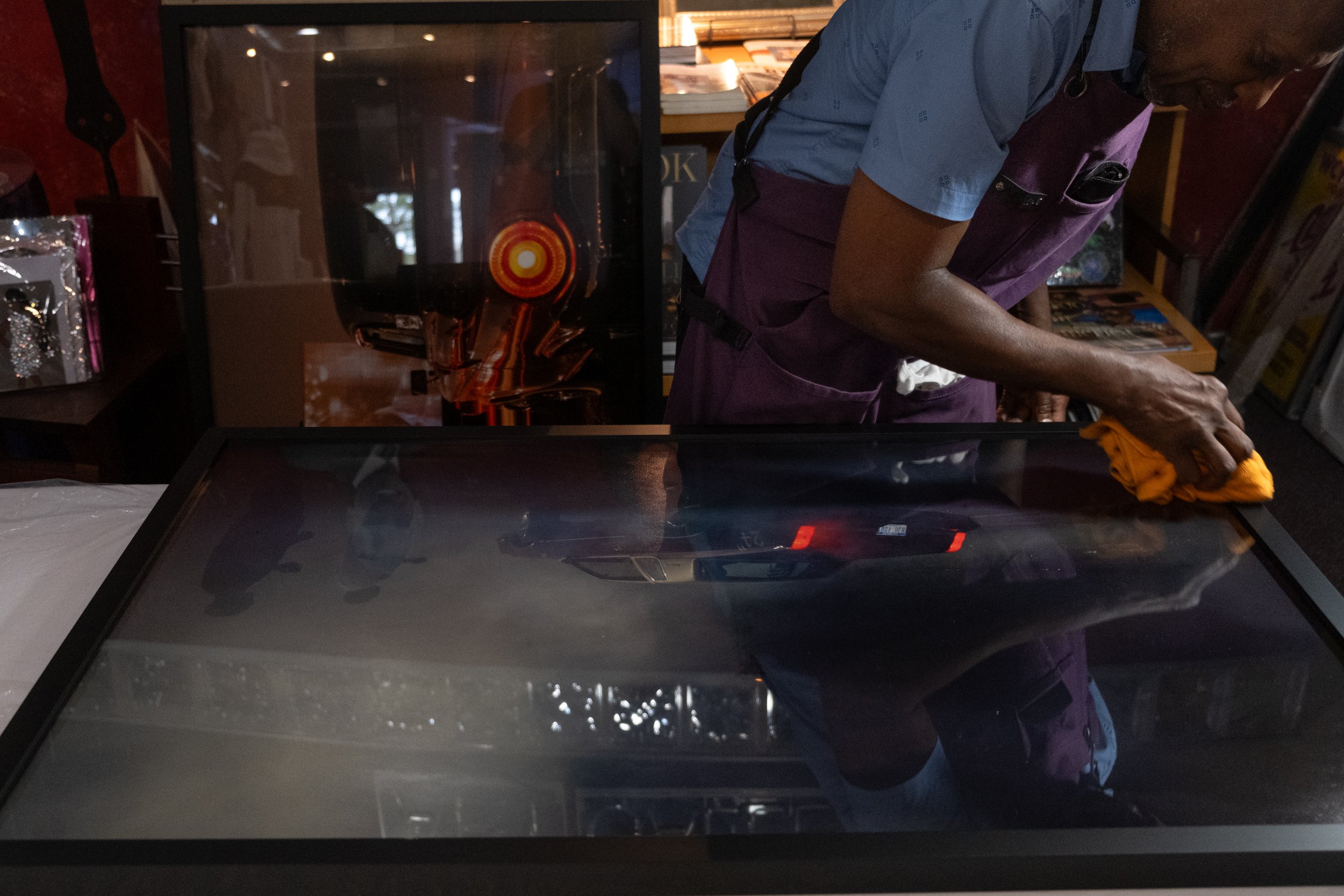
Before he went on vacation, Eric let me stop by so I could document some of the process him and the crew were working through. Partly for the archive. Mostly to say thank you.

I’ve recommended the shop for years. Now, I’ve been framed. It feels good to finally be a part of and show some of the work happening there, too.

Finding The Energy

“I know this style and flow. I’m fluent. But it’s not my first language visually.”

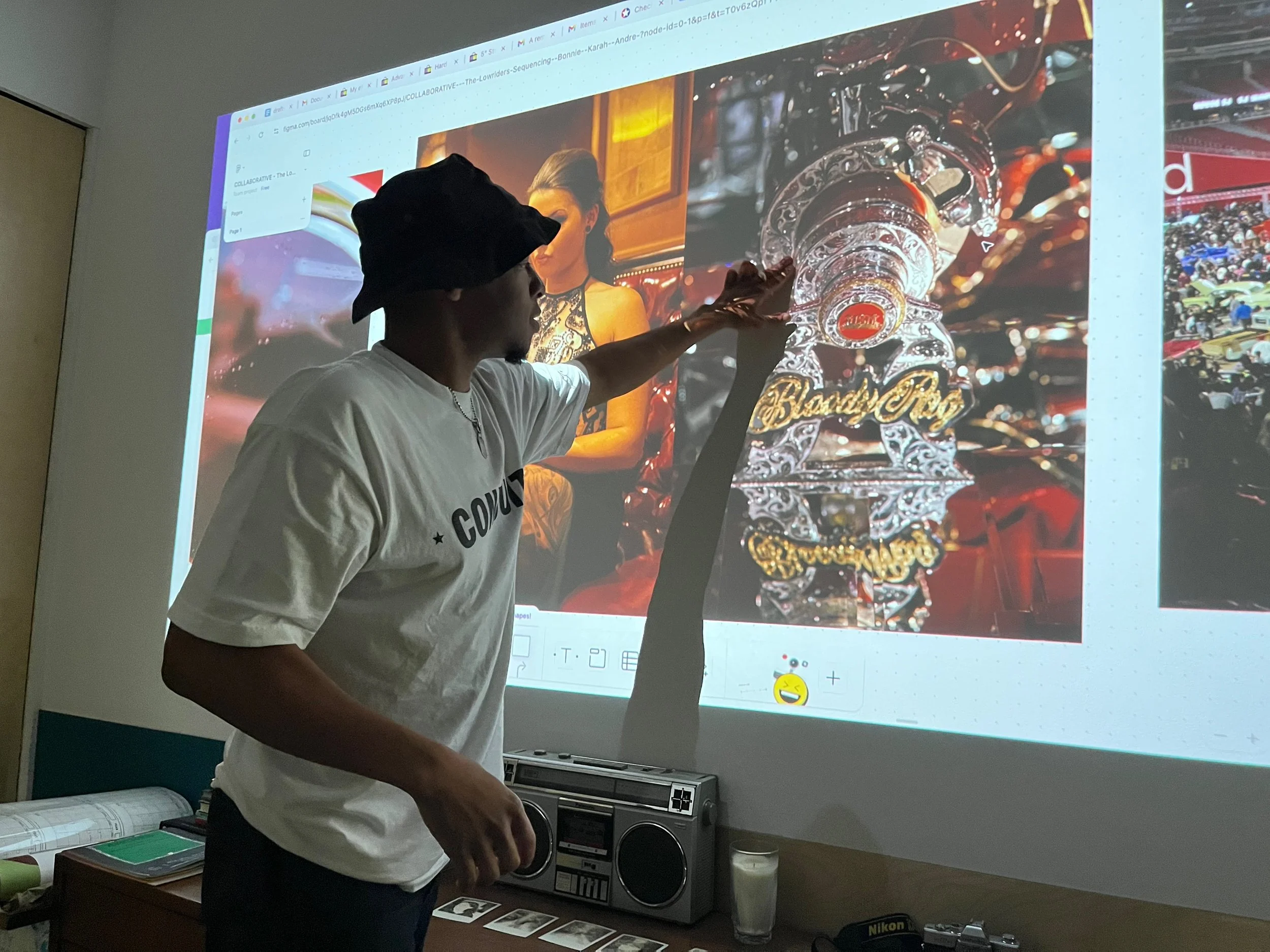
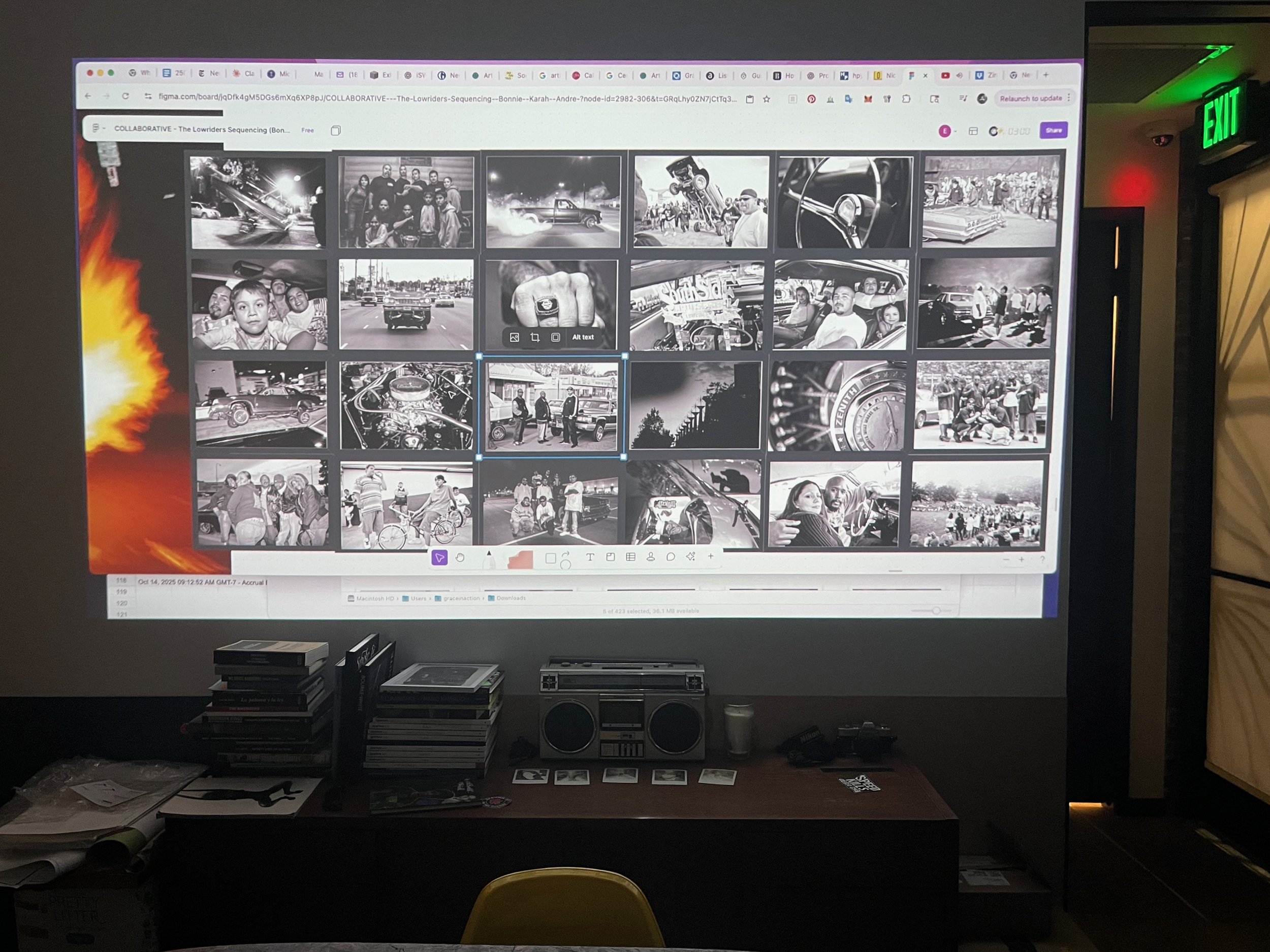
For the last few weeks, Andre and I have been working through the hallway portion of the exhibition for the Marshall Fredericks Sculpture Museum show.  

We started with a nine-photo grid that just wasn’t landing. I wanted this section to have a different kind of energy than what was happening in the main gallery. Something more visceral and immediate than the rest of the show.

I kept thinking about the visual language people often associate (or expect) with lowriding. Much of what gets to the general public is dramatic imagery. It’s spectacle—cars hopping, custom paint and engraving, tattoos, gestures, and urban landscapes. These are often the kinds of things that pull somebody in from the outside.

Juice, W. 62nd St., Chicago, IL (2008)

That isn’t usually how I choose to organize and present my work. I might use quieter photographs and everyday moments to build a story together with the more dramatic scenes. This is true with The Lowriders, it’s true with my photographs of Southwest Detroit, and with much of my work.

I do know this style and flow. I’m fluent. But it’s not my first language visually—it often feels sensational for stories that want to be told slowly, intimately. For this installation, though, I started to think it might be the place to let it show up more fully. It’s in a hallway outside the main gallery and it’s about how people encounter lowriding. 

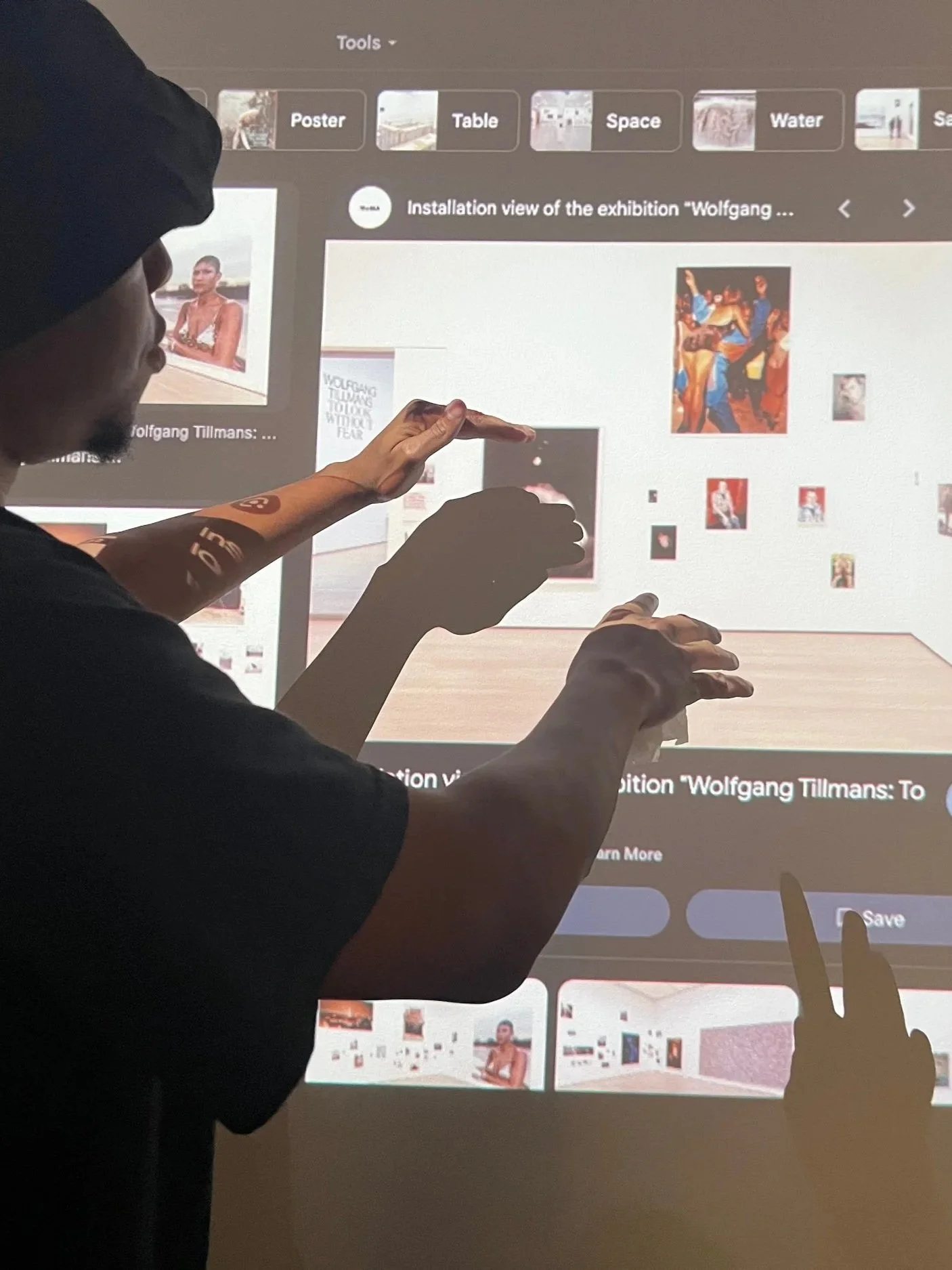
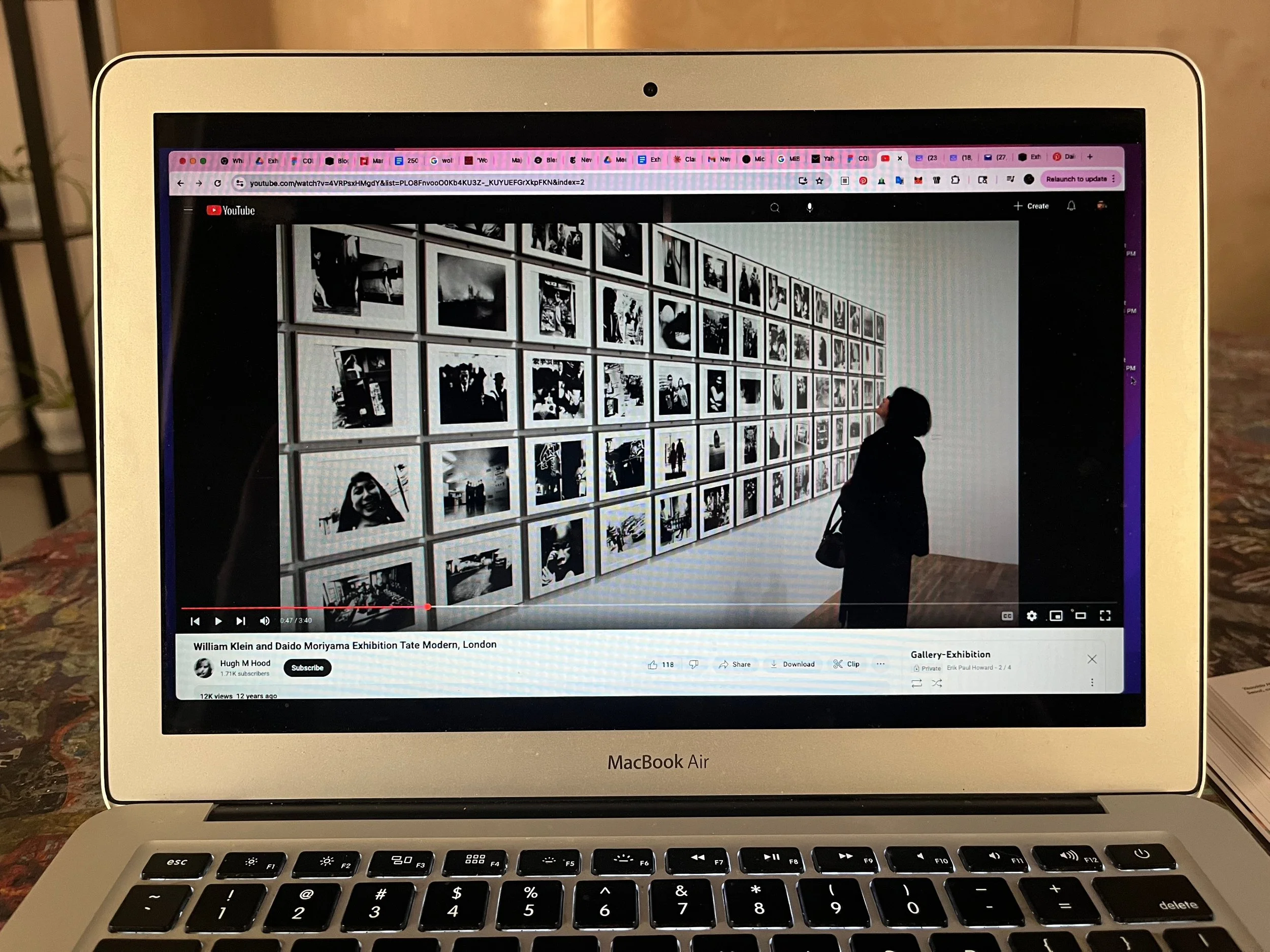
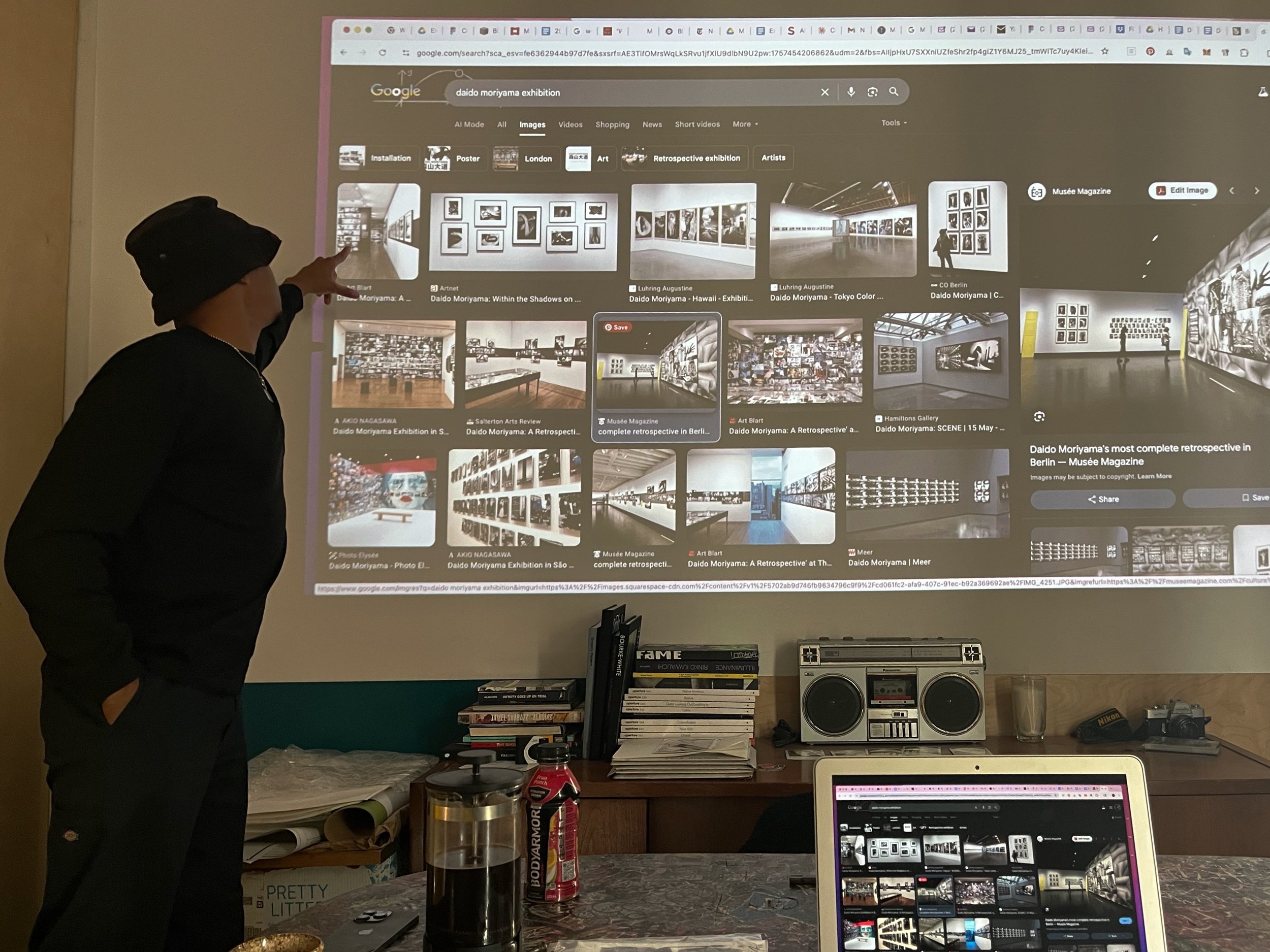
Andre introduced me to Daido Moriyama’s and Wolfgang Tillmans’ exhibitions and pointed out the way the photographs, scale, density, and space all work together to create an experience. That helped (and inspired) me. And it got us closer to what we were trying to do. 

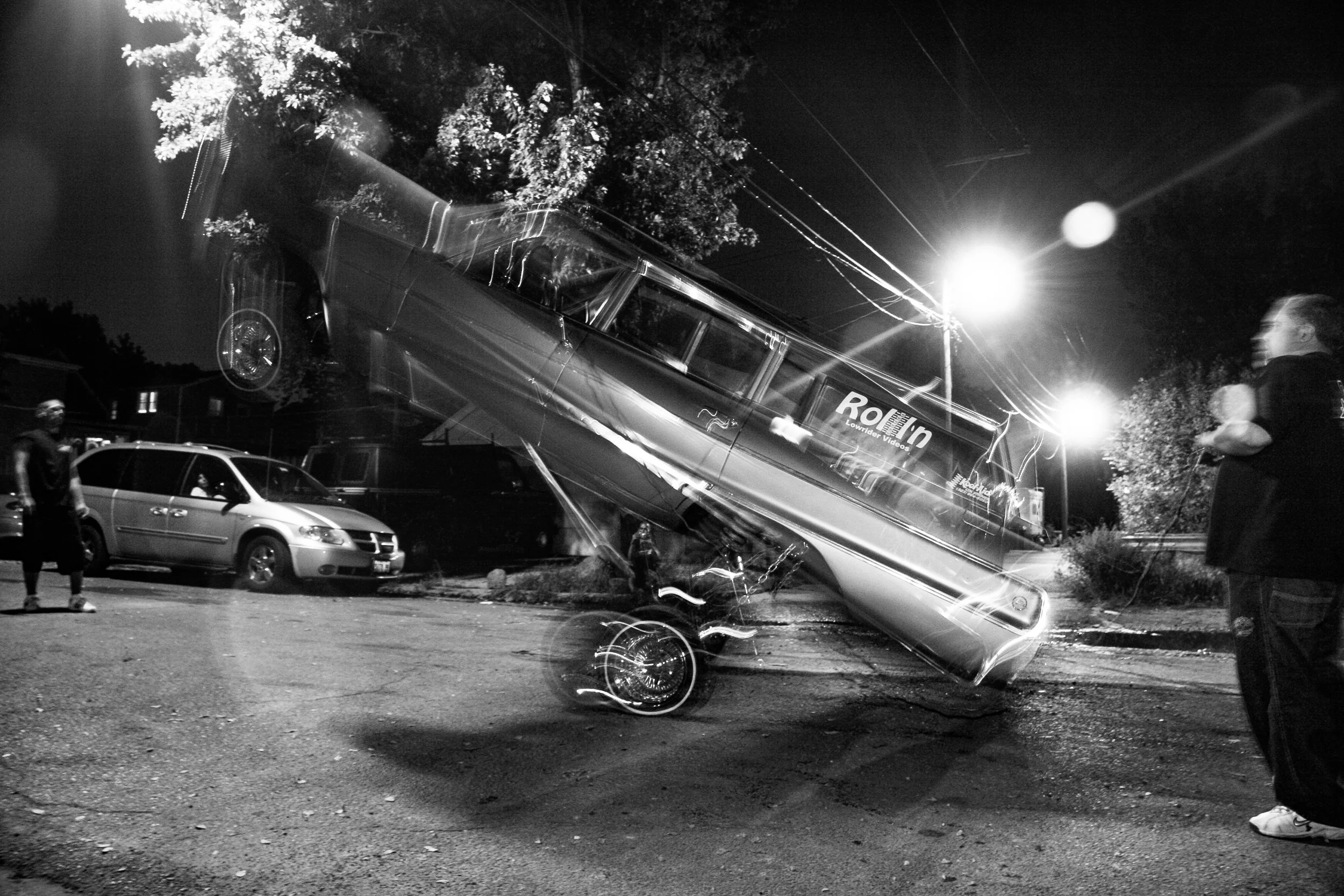
We expanded the grid to 24 photographs. I wanted to go all black and white and frame it with an image of fire coming out of the tailpipes of a classic Chevy on Woodward Ave. 

Fire. Woodward Ave., Detroit, MI. (2008)

We worked at it slowly for a few weeks. A few sessions lasted a couple of hours and moved us forward only a little. Then one day we came to the studio, found an extended Dilla mix on YouTube and got to work.

I don’t know what happened… Flowers [09:10] for the transmission of Yancey loops and drums that had us in a different place.

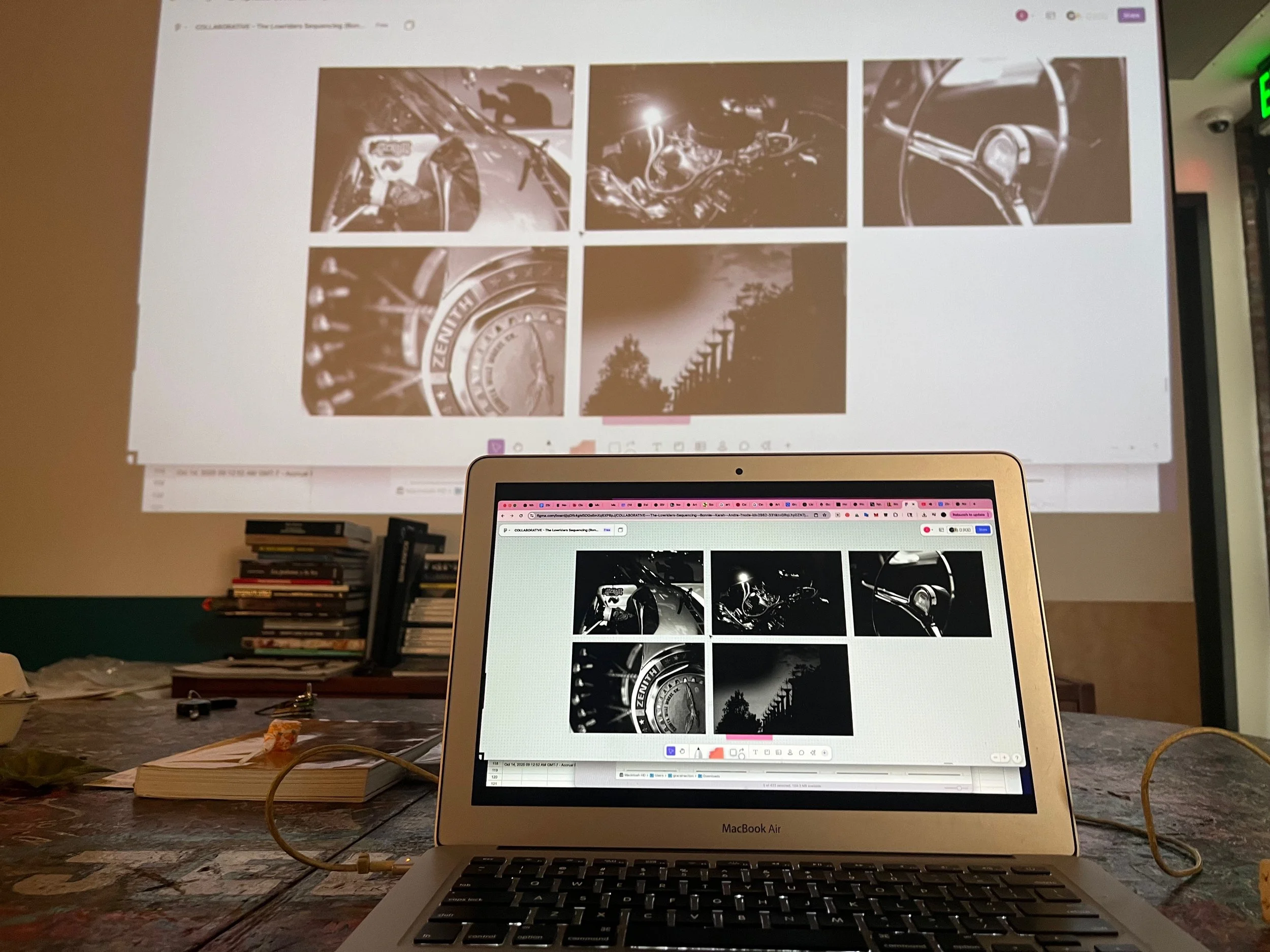
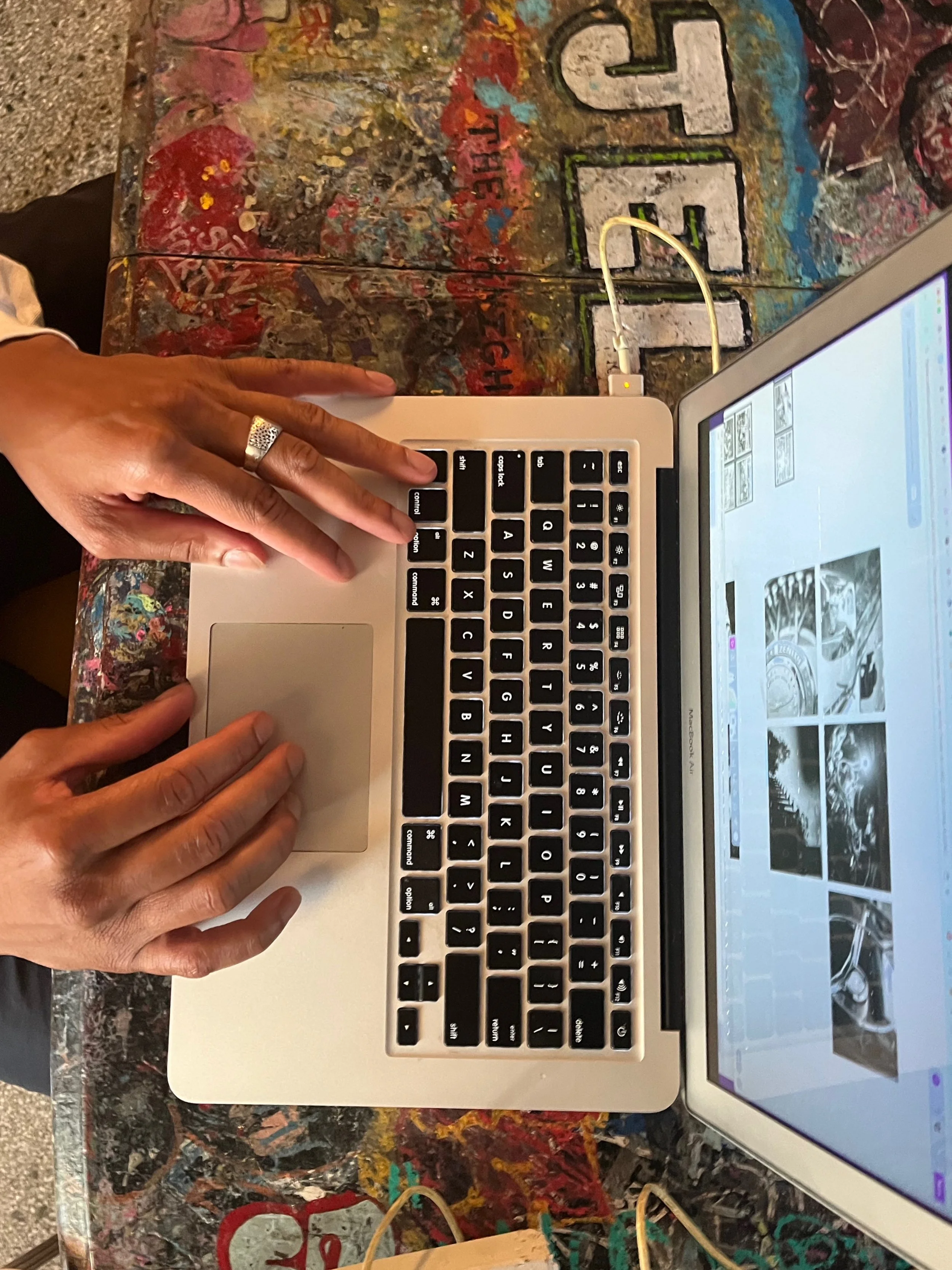
At some point we realized the grid needed a different cadence. There were too many photographs doing the same kind of work. We started pulling photographs in and out, switched up the pacing and went looking for images that could interrupt the rhythm a little. We got into a flow. I went back into the archive for several medium shots, close details, and a few photographs that brought place firmly back into the sequence.

It came together fast.

After spending weeks trying to figure out what this part of the exhibition wanted to be, all of a sudden it felt right!

A few folks were around for community darkroom that day and came over to see it as we were finishing up. That felt right too. So much of this project has come together like that. Slowly, collaboratively, and then all at once.