Making The Room
“There had been so many moments throughout this process where I knew what I wanted something to feel like but didn’t necessarily know the best way to make it happen.”
By late July/early August there were still a lot of moving parts to solve before the exhibition could really become a finished room (and hallway).
All the photographs were in Saginaw but we still had the vinyl, wall text, measurements, installation questions, and a timeline that was getting tighter by the week.
At our annual lowrider picnic at the Detroit Historical Museum I was talking to Dave Marchione, who works there, and he recommended that I reach out to Tim at Wall Street Productions.
Dave Marchioni leads a Lowrider Garage workshop with Inside Southwest Detroit at the annual Uso Detroit picnic at the Detroit Historical Museum. (2026)
That connection came right on time. From the first conversation Tim was clear about what they could do, what things would cost, how long they would take, and where we might need to adjust. That kind of certainty was incredibly helpful at this stage of the project.
Our first trip to the museum together immediately felt collaborative. We walked through the galleries, talked again through the vision for the show, looked at potential obstacles, and took measurements.
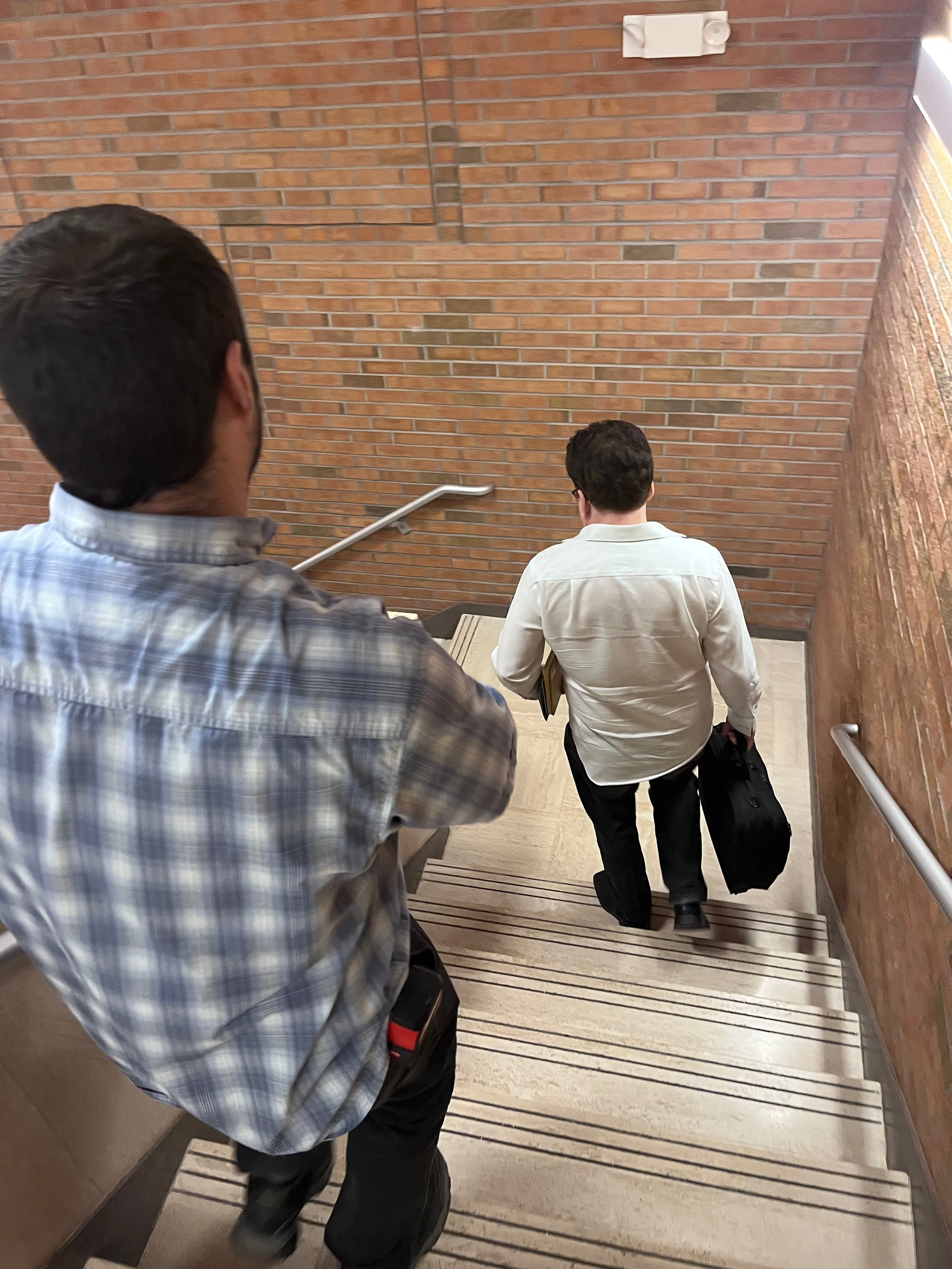
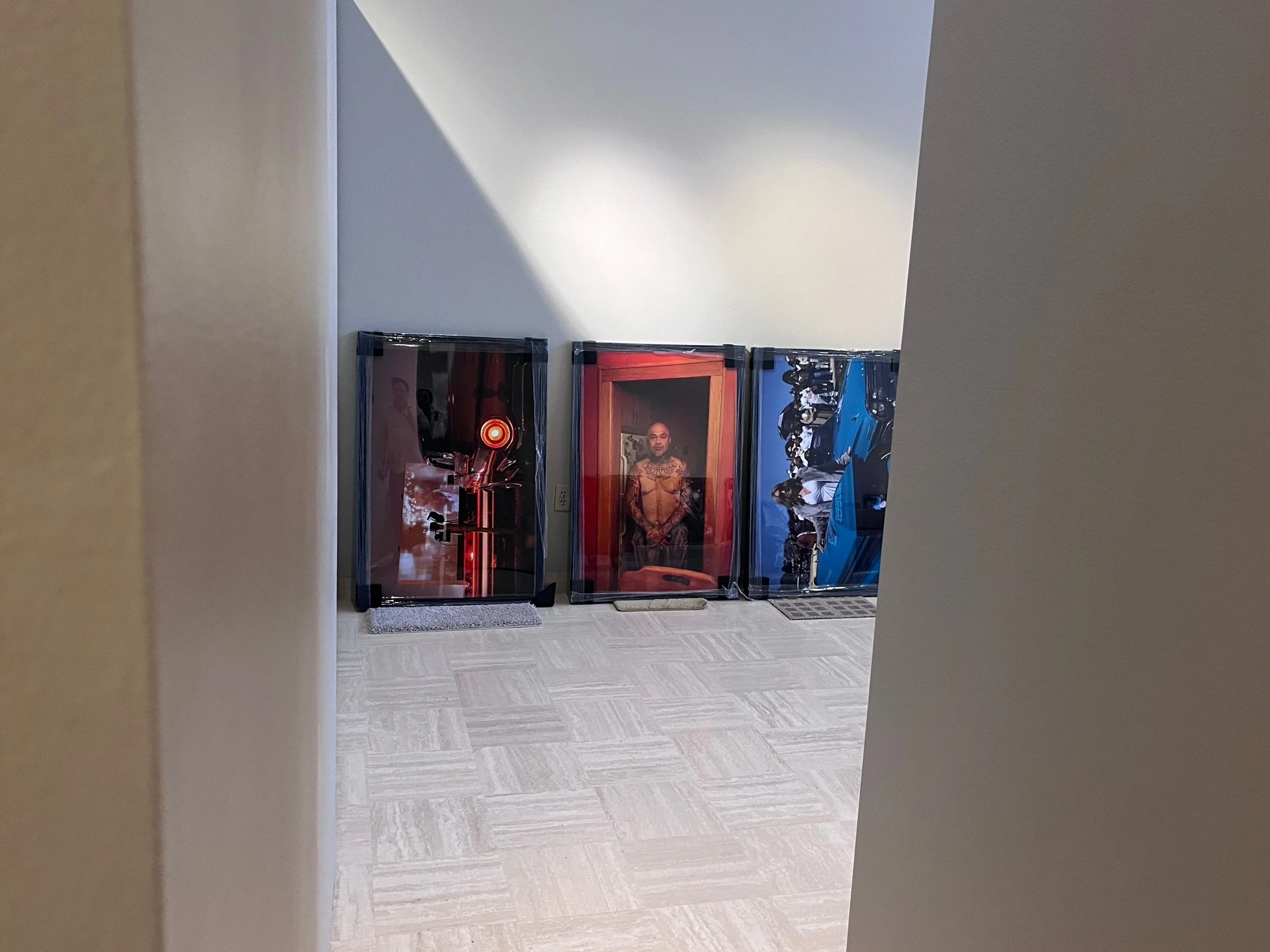
Over the next few weeks, we kept working through challenges one at a time. By install week, so many things that had existed as drawings, files, proofs, measurements, and plans were finally becoming physical. It was a reminder for me of just how much physical projects depend on people who know how to make ideas work in real space.
There have been so many moments throughout this process where I knew what I wanted something to feel like, but didn’t necessarily know the best way to make it happen. Having people around who listen carefully, understand the intention, and help solve for the actual walls makes all the difference.
And the room was finally starting to look like the exhibition we had been imagining as a result.