Making 'The Lowriders': Behind the Exhibition

The exhibition did not arrive all at once, as nothing does. Even when it sometimes feels that way.

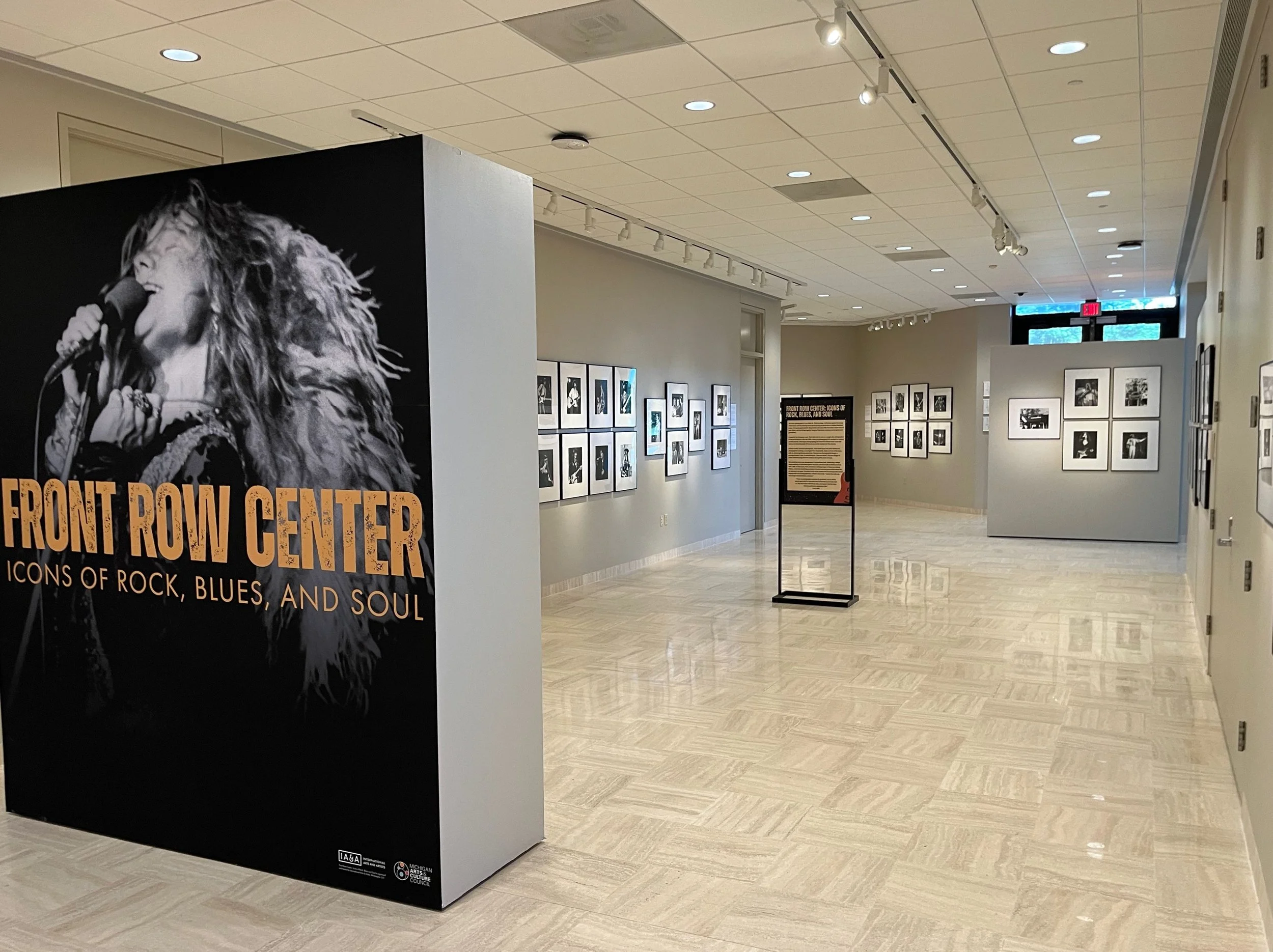
Over the past year and a half I have been keeping journals and notes about the process of making The Lowriders: From Detroit to L.A .and Back into an exhibition at the Marshall M. Fredericks Sculpture Museum in Saginaw, MI.

Some of these moments felt monumental while they were happening and others only became important when I was able to look back on them and understand more of what was happening. They follow the work from early walk throughs in an empty gallery to the final weeks of installation.

I’ve dated each post according to the moment it documents via my entries. They are not a complete account of making the exhibition. They’re more of a collection of experiences involving the photographs, friendships, material decisions, and people who have helped me work through problems along the way.

Hope you enjoy following the process and that it adds something to your understanding of the work, and what it was like making it into an exhibition!

-Erik


The Process

Making a Show ≠ Enlarging a Book
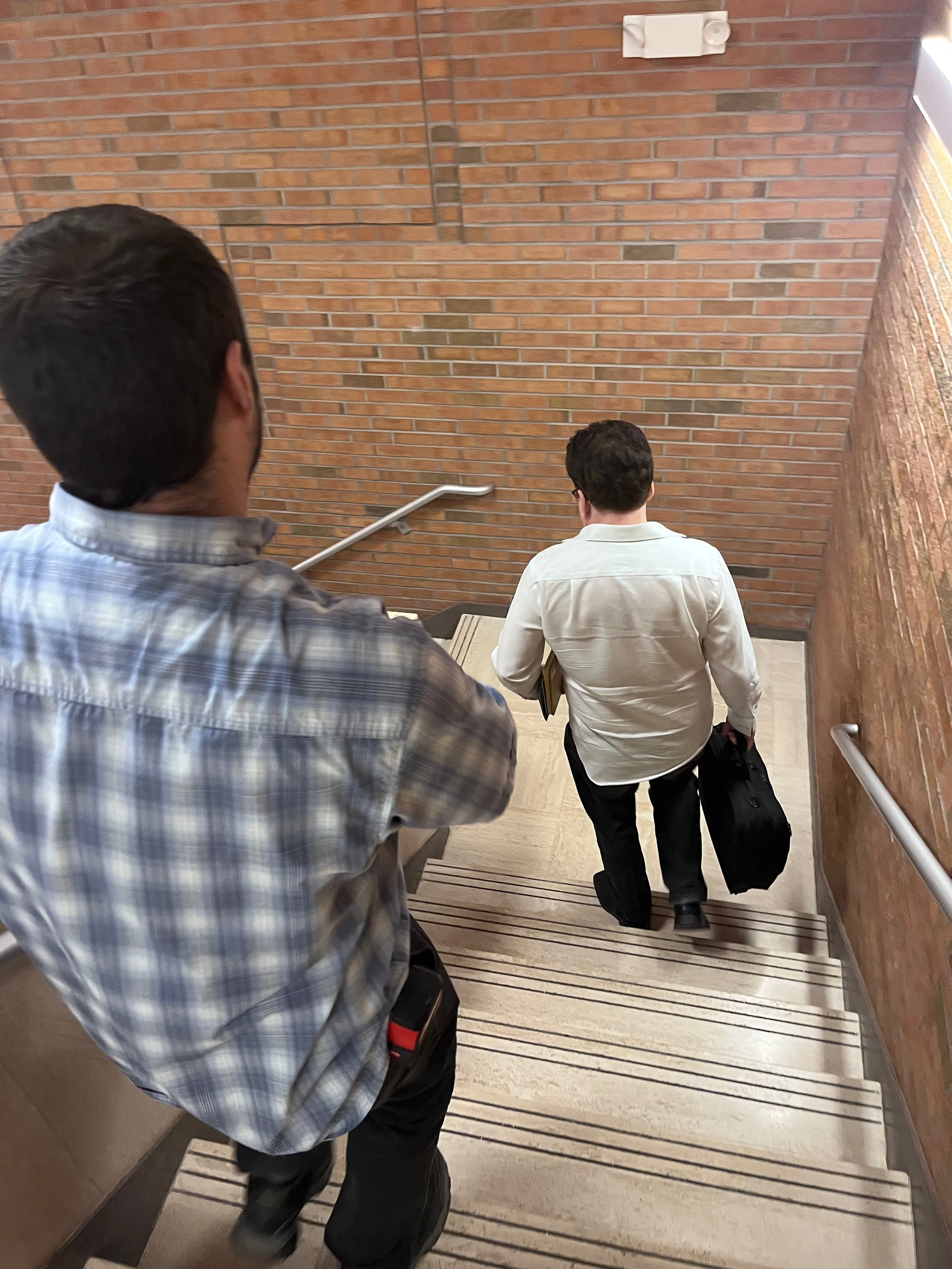
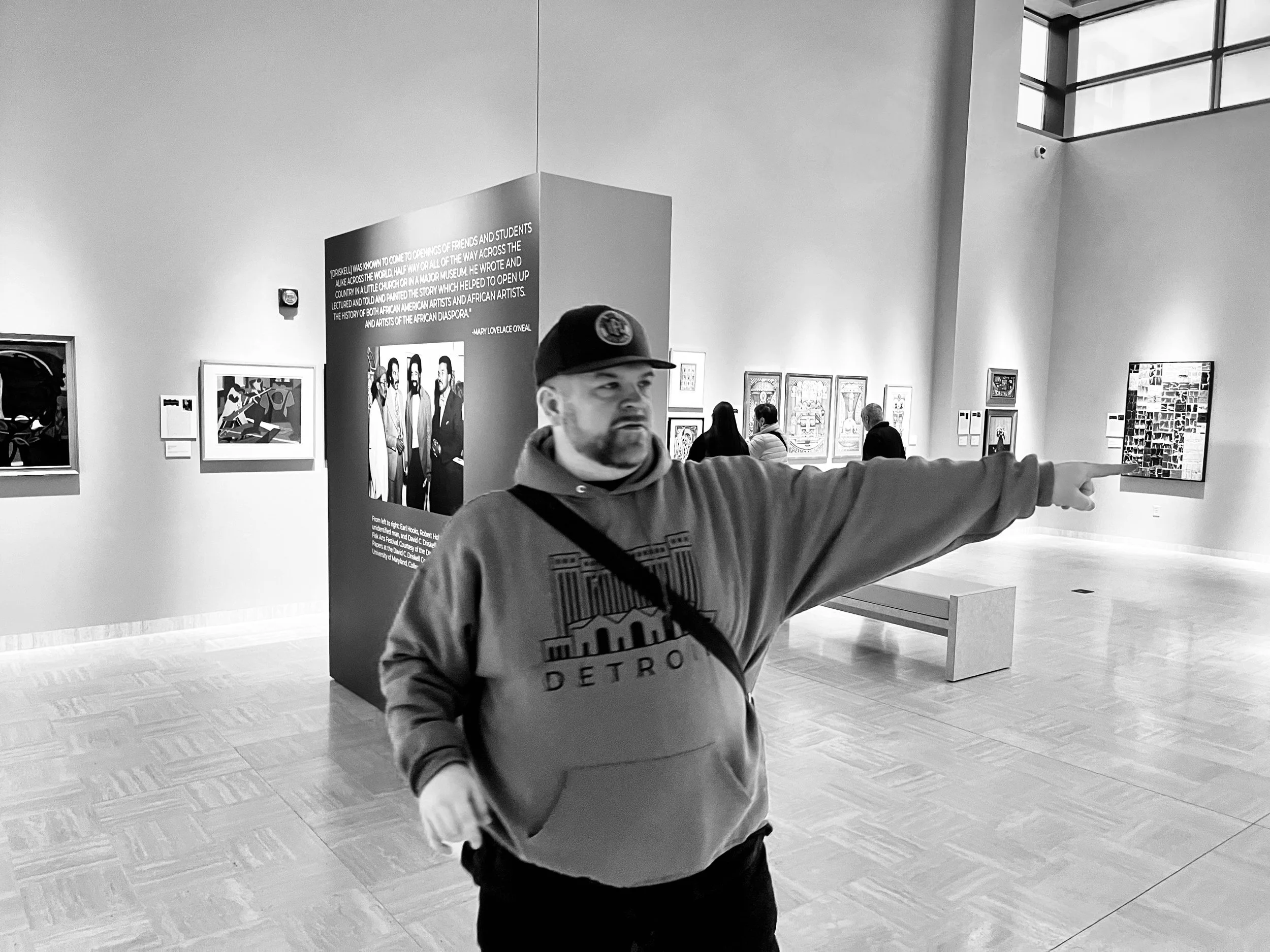
Walking the museum with Graig Donnelly and beginning to understand how the gallery might ask something different from the photographs than the book does.


Finding the Energy
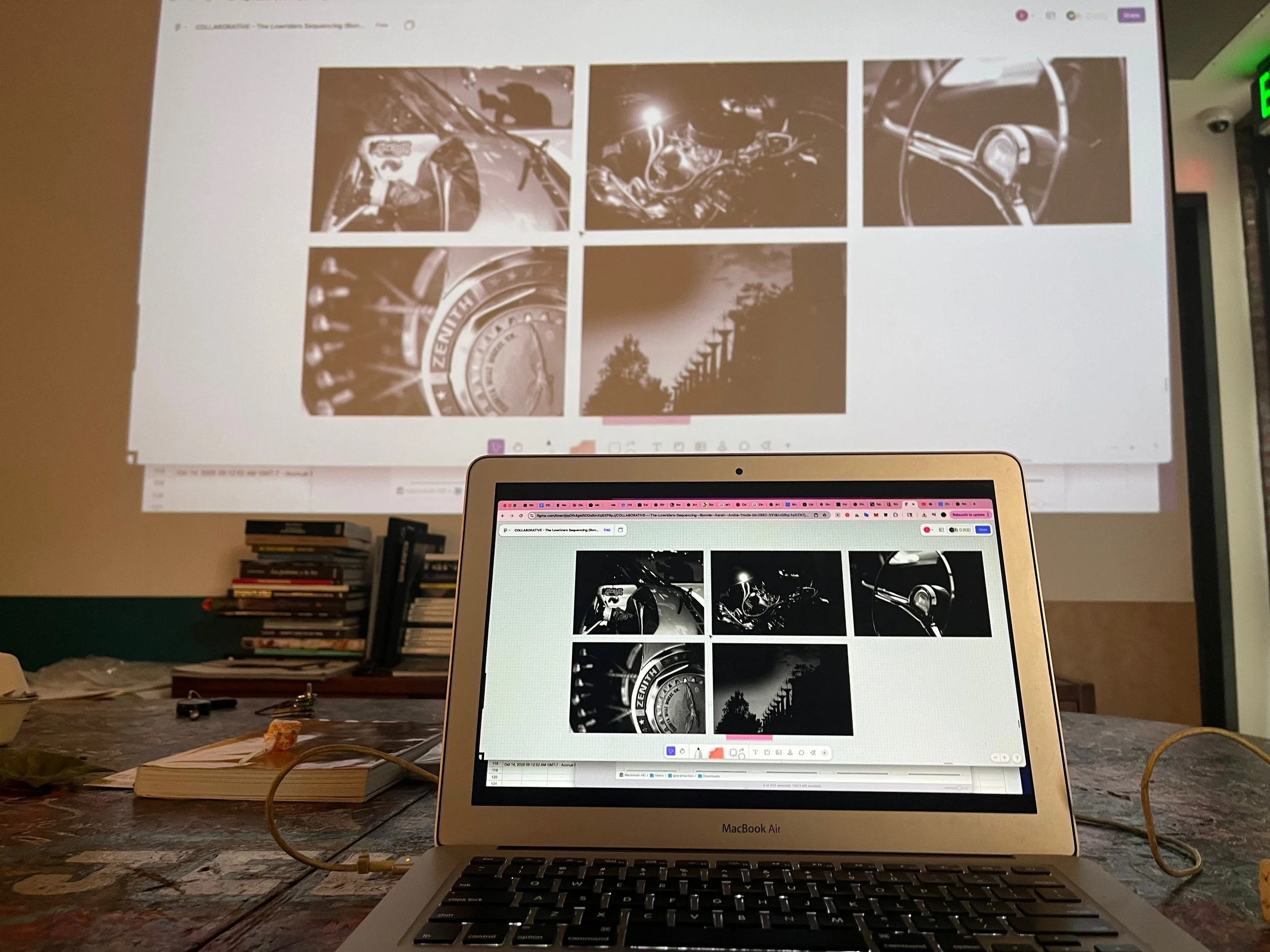
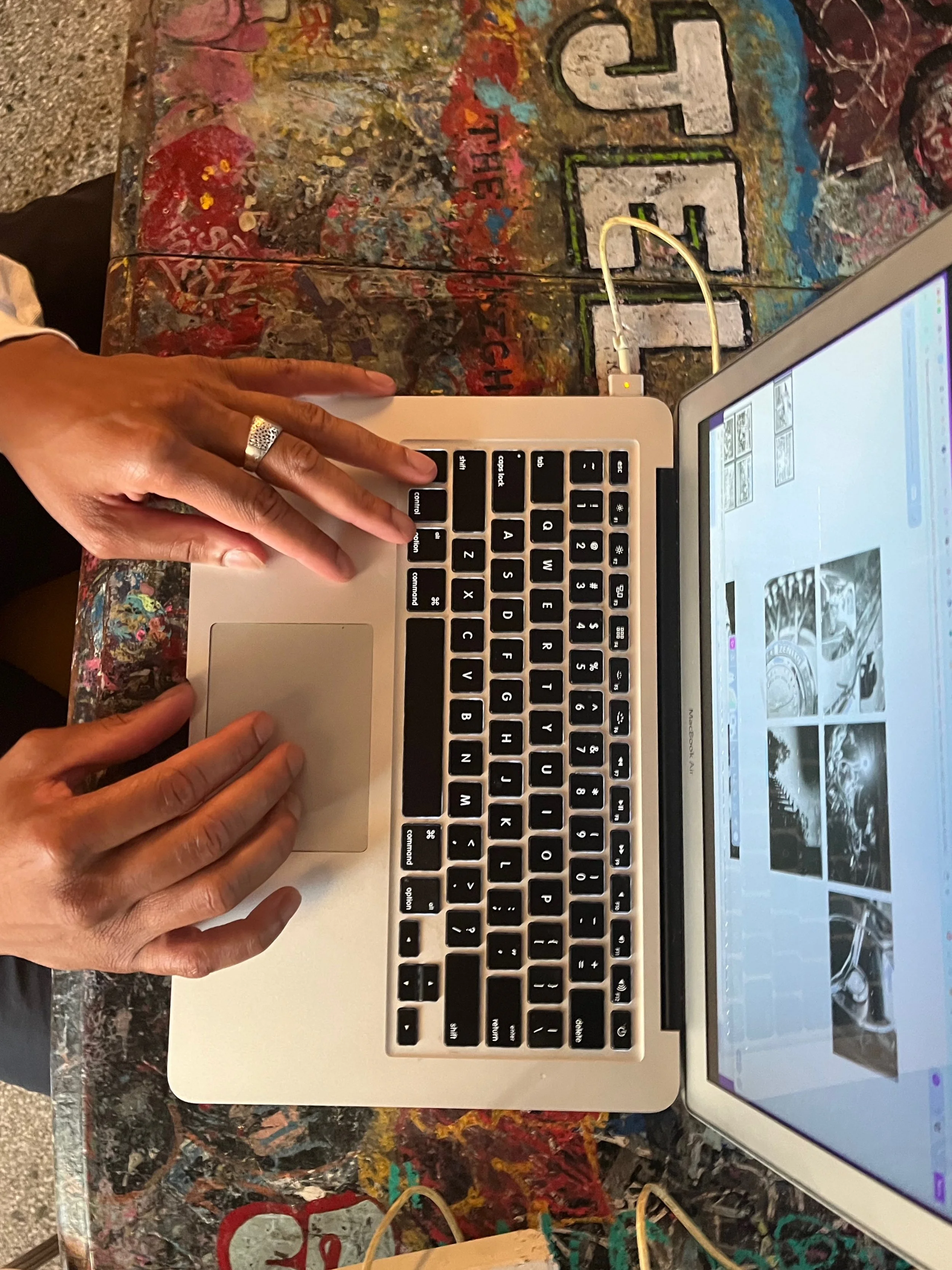
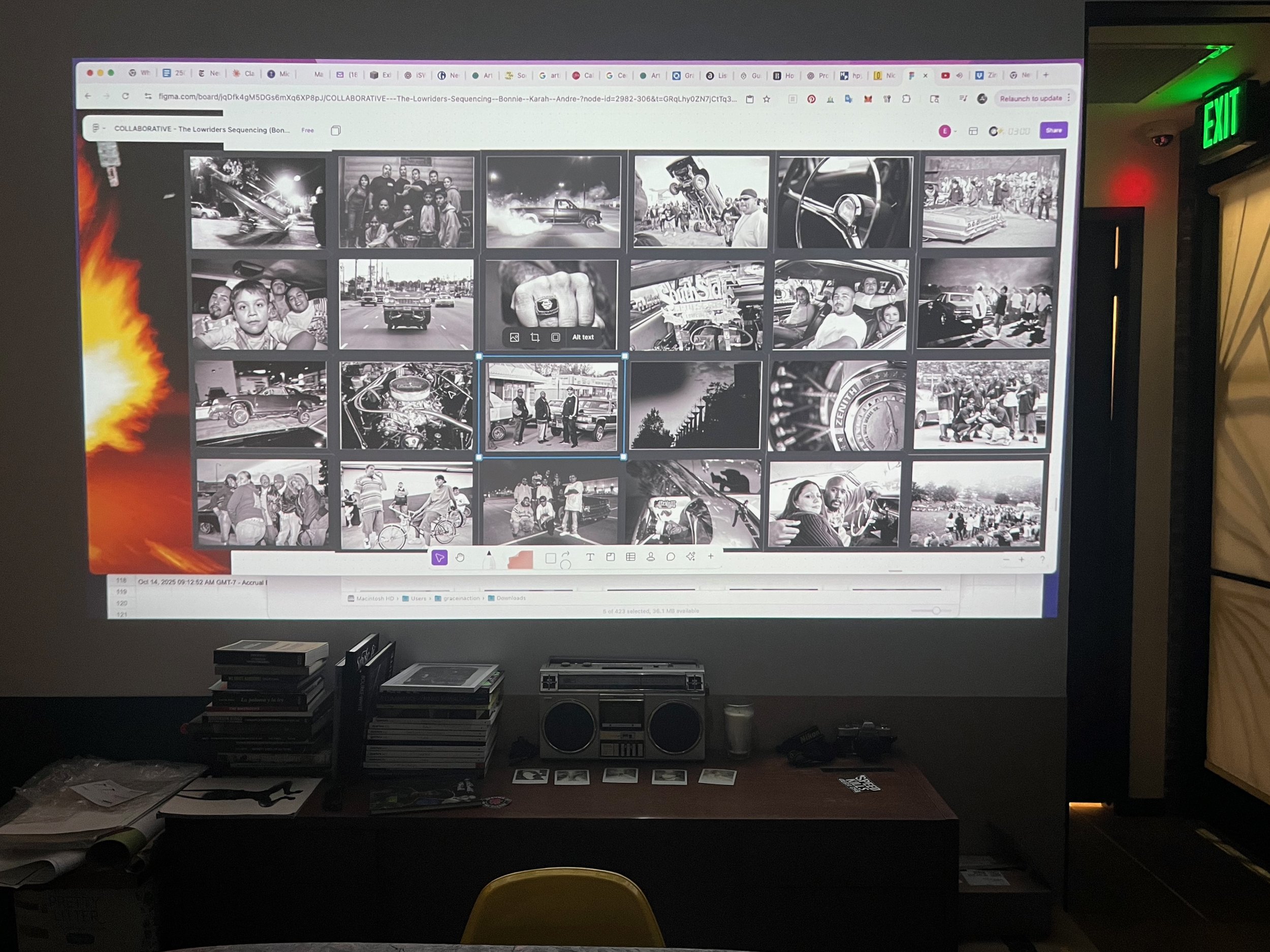
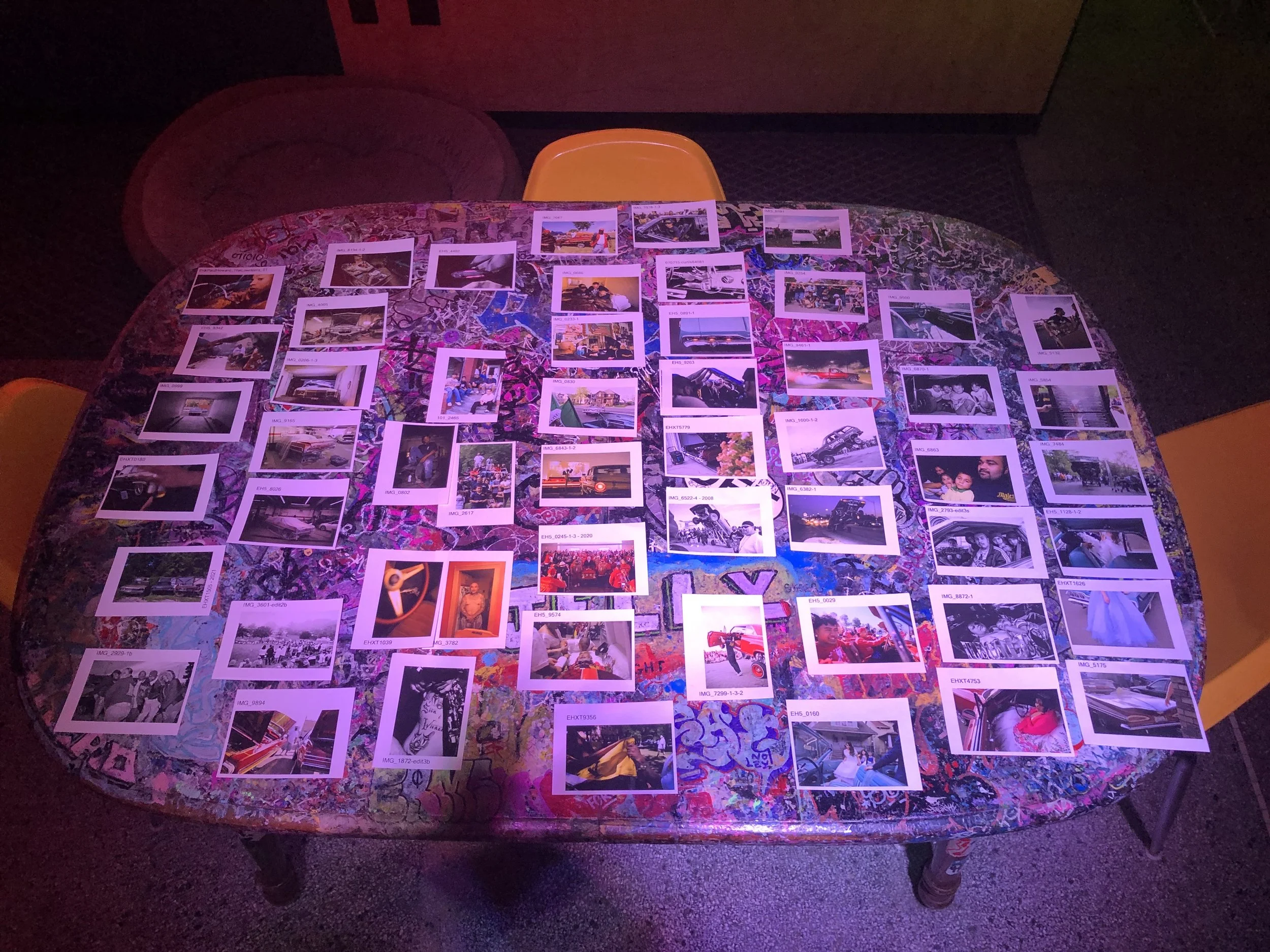
Working with Andre Moore to transmit how it feels to encounter lowriding into an intentional, visceral installation via a sequence of 24 black and white images.


How a Photograph Should Feel
Comparing papers and proofs with Gabriela Baginski at Image Works until the black and white photographs carried the mood I remembered.


[A Show You Can Hold in Your Hands - COMING SOON!]
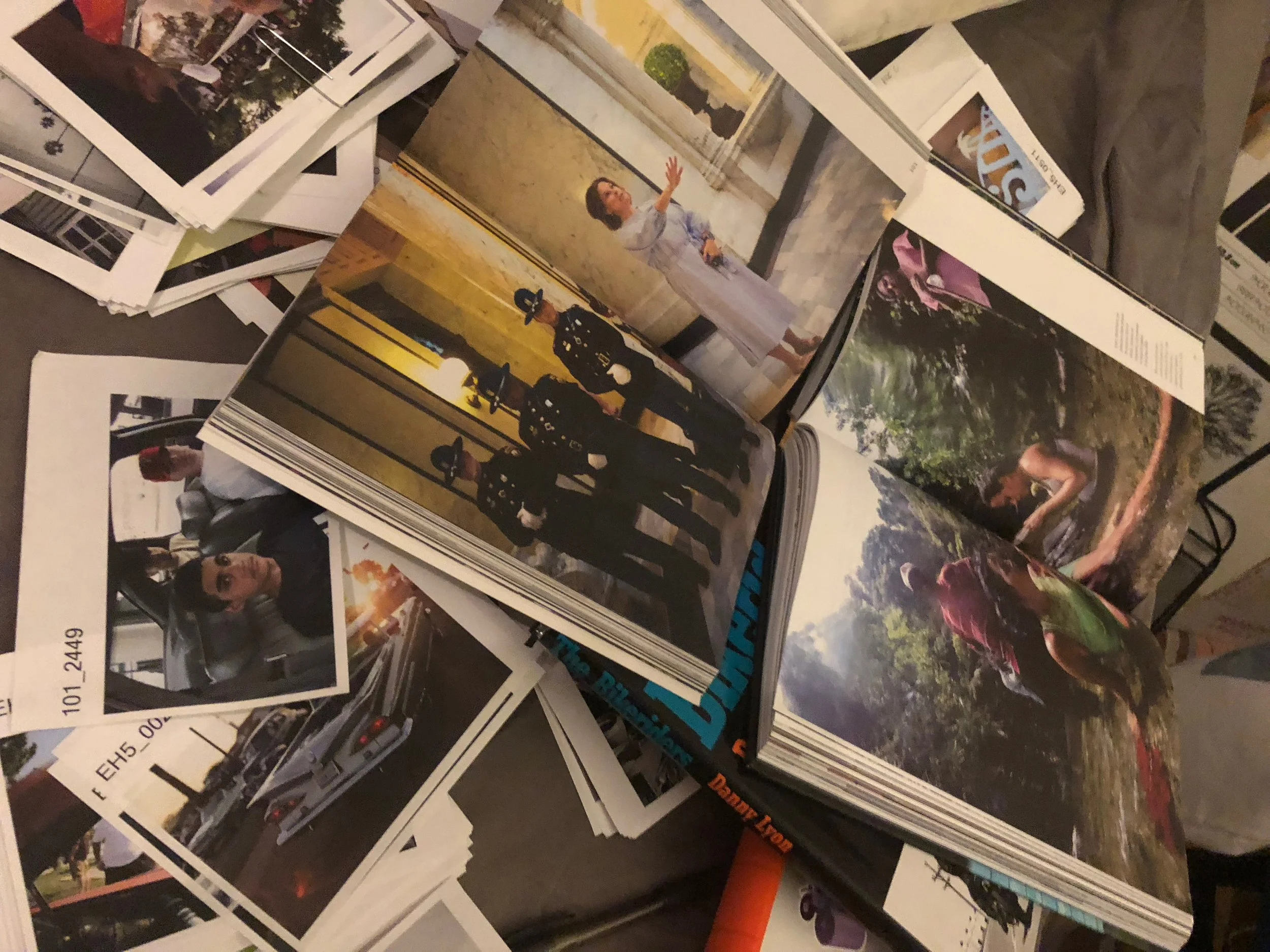
Making a complete 5×7 version of the exhibition and returning to the experience of photographs as physical objects that can be carried and shared.


I’ve Been Framed
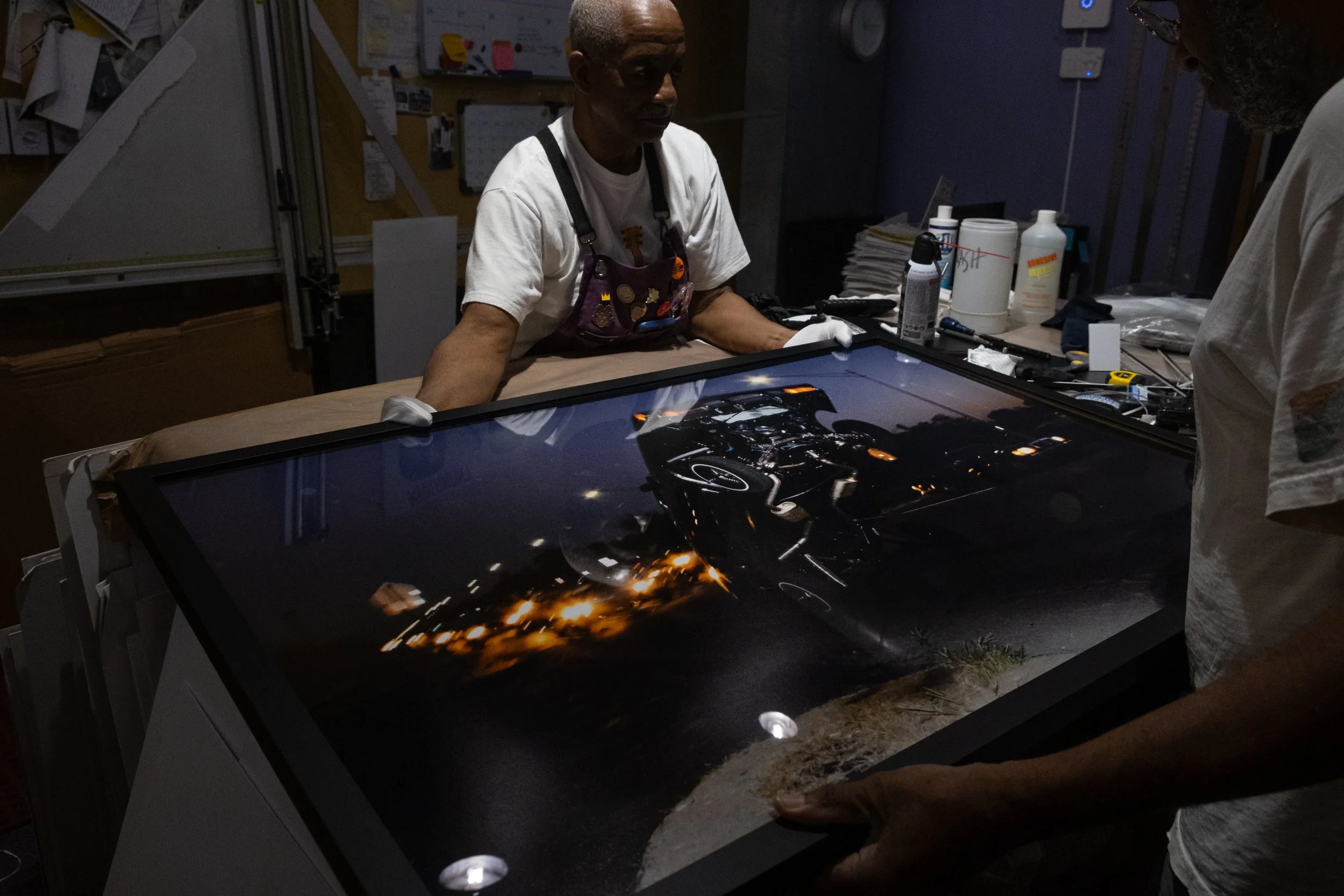
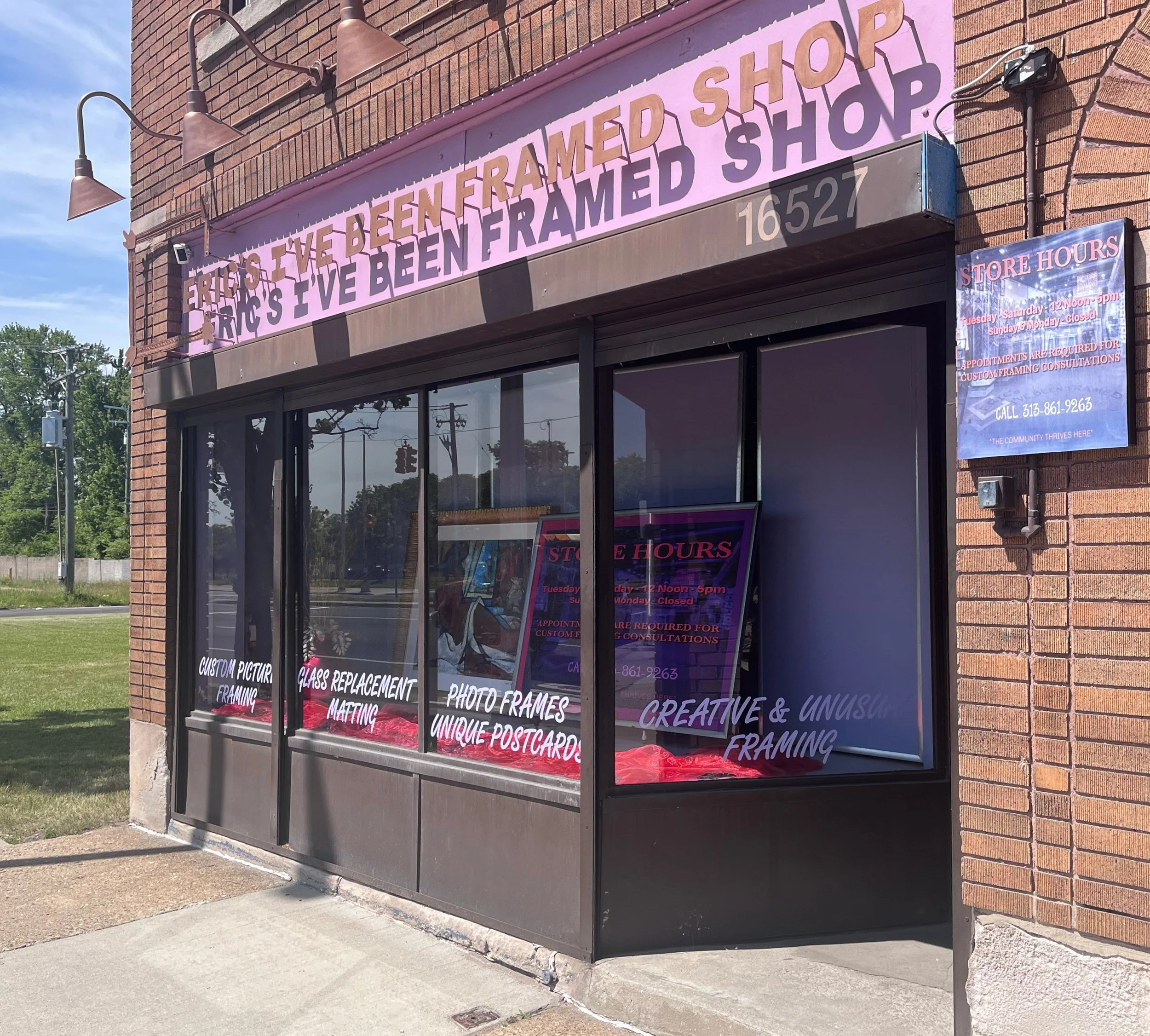
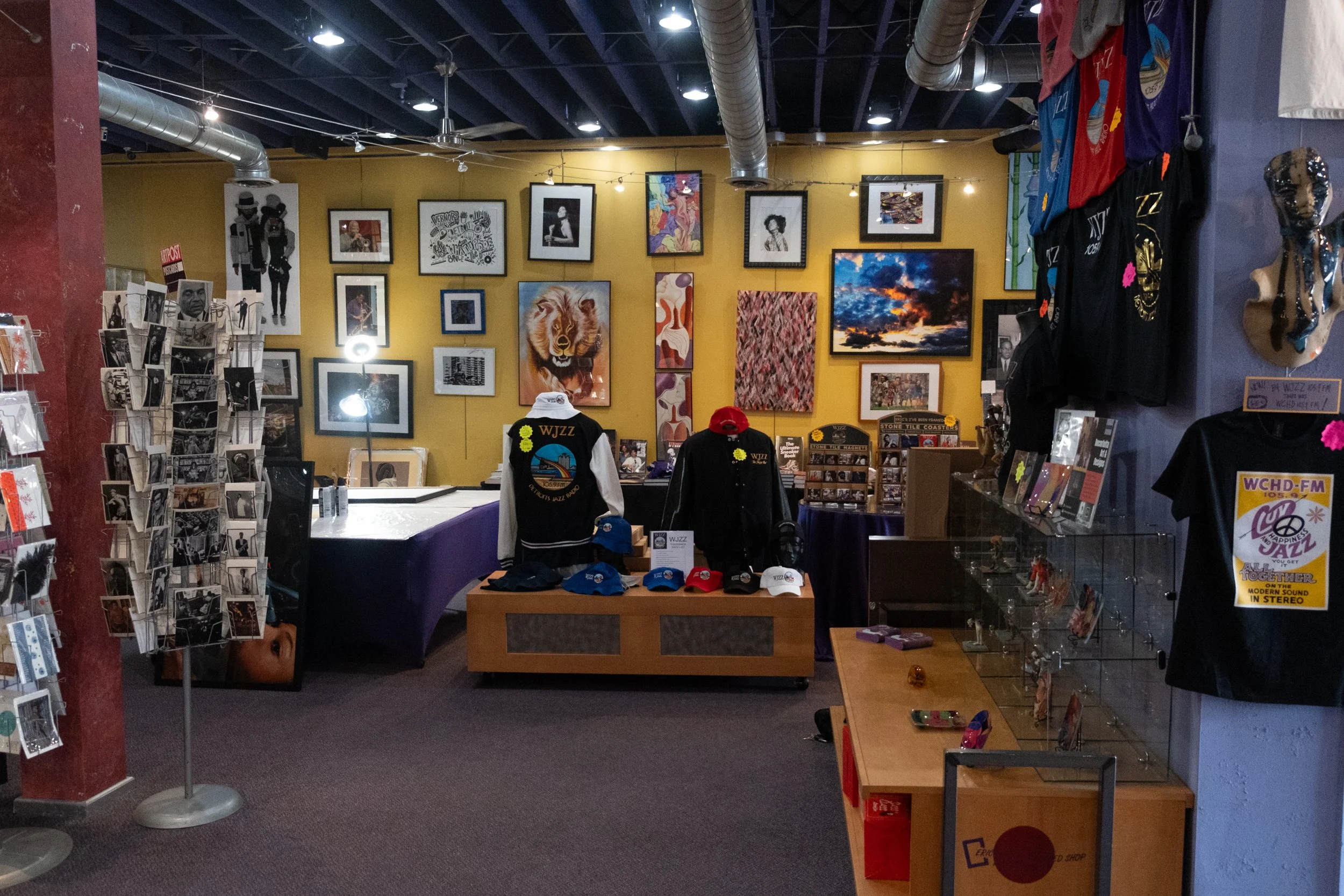
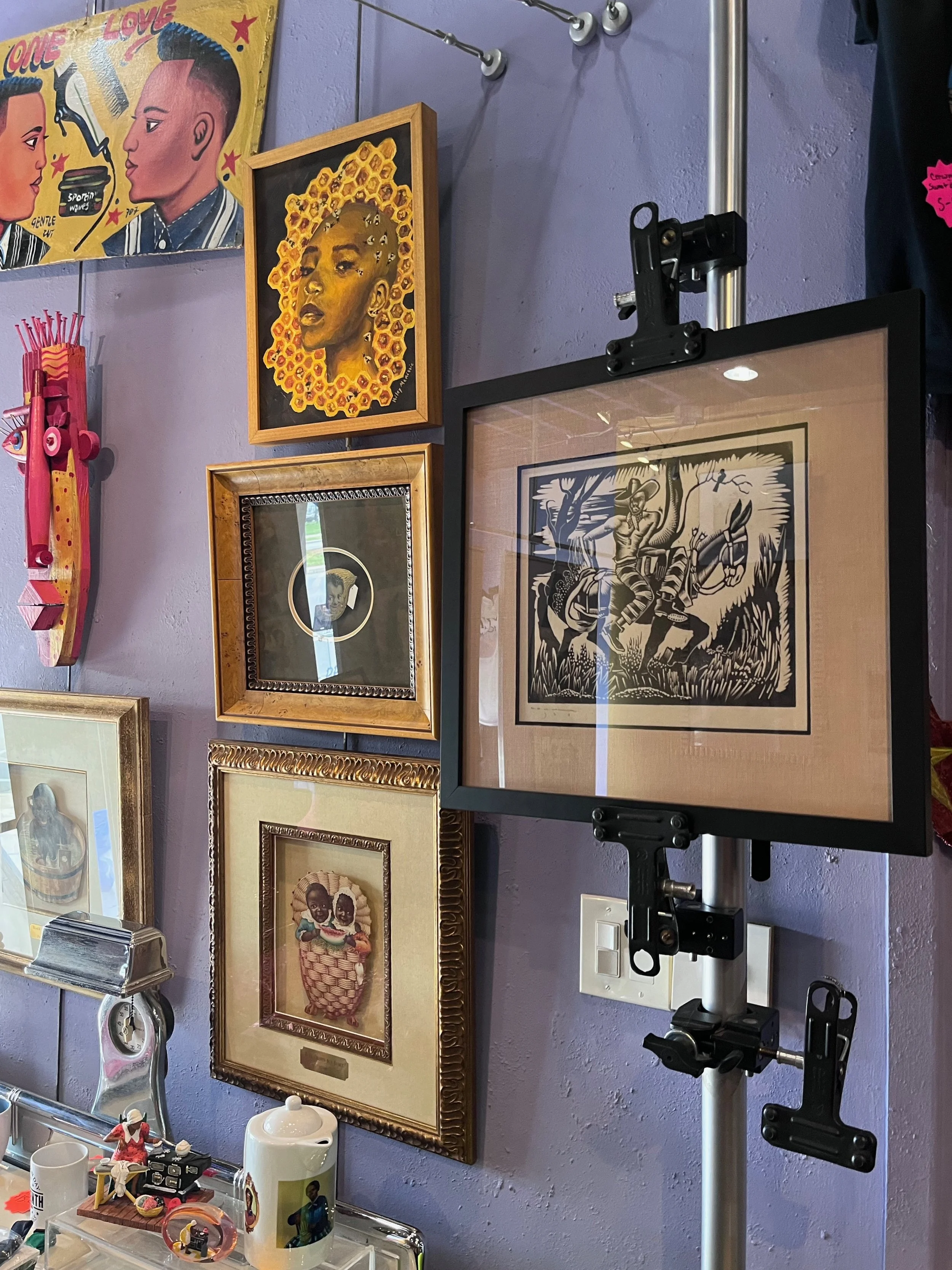
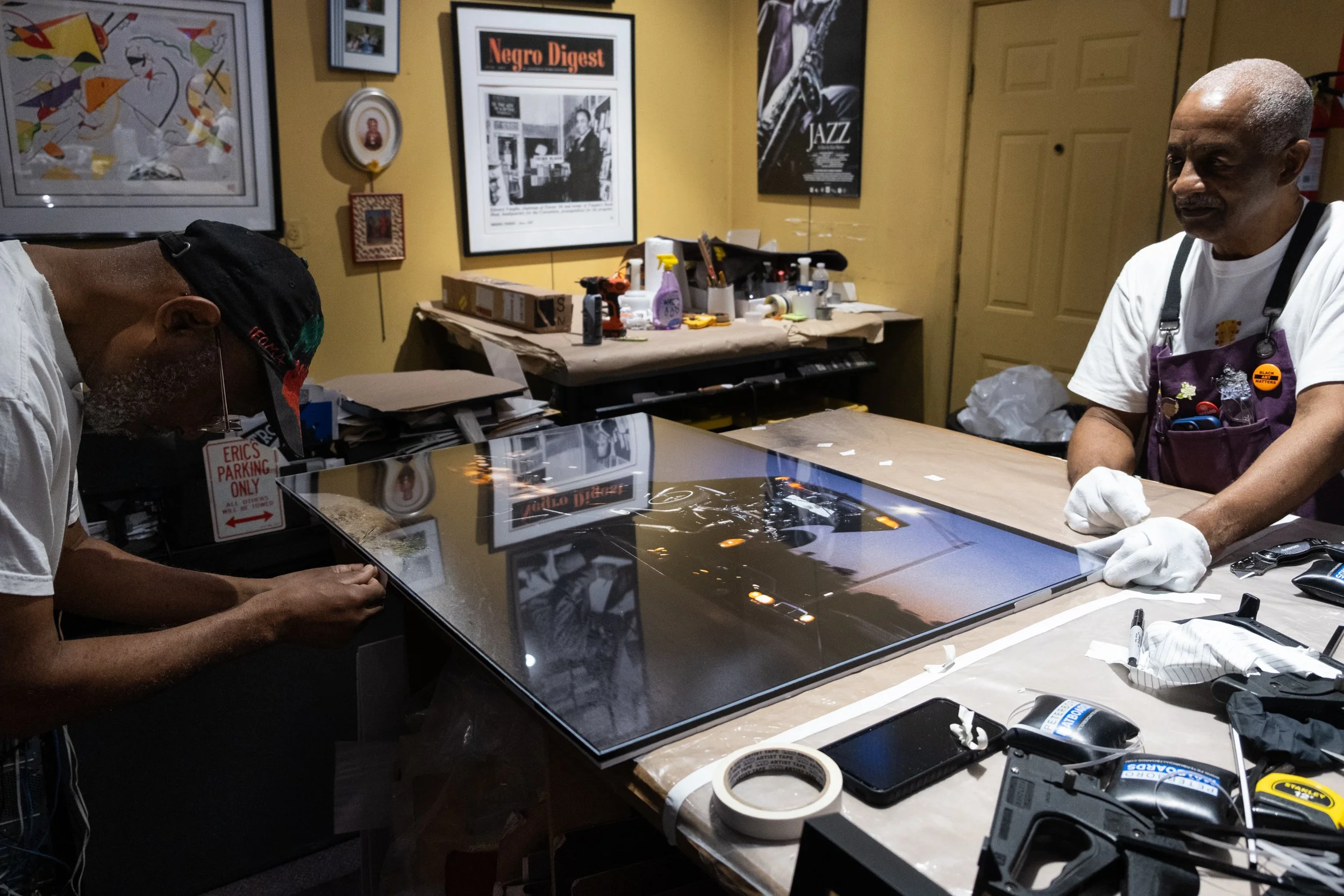
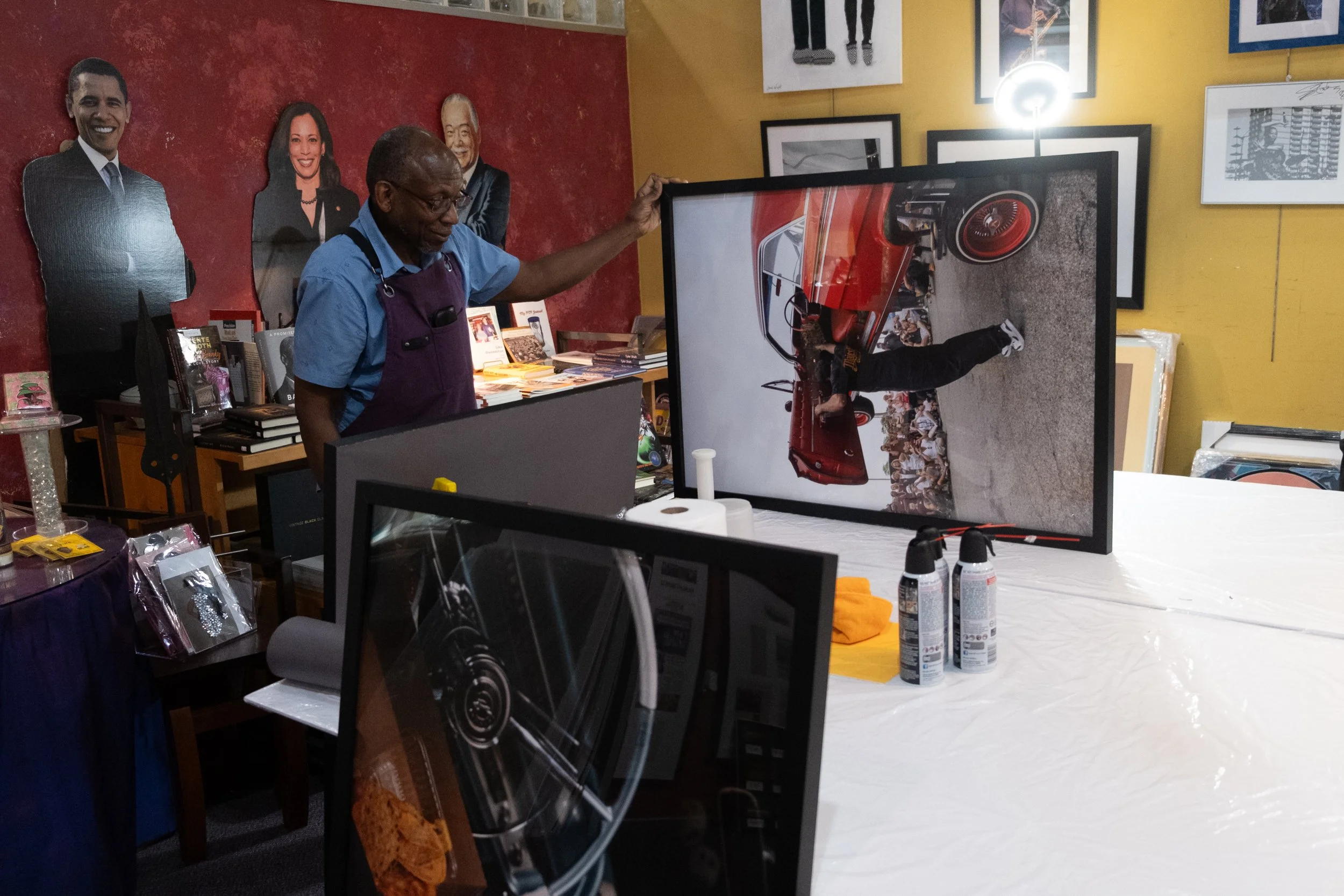
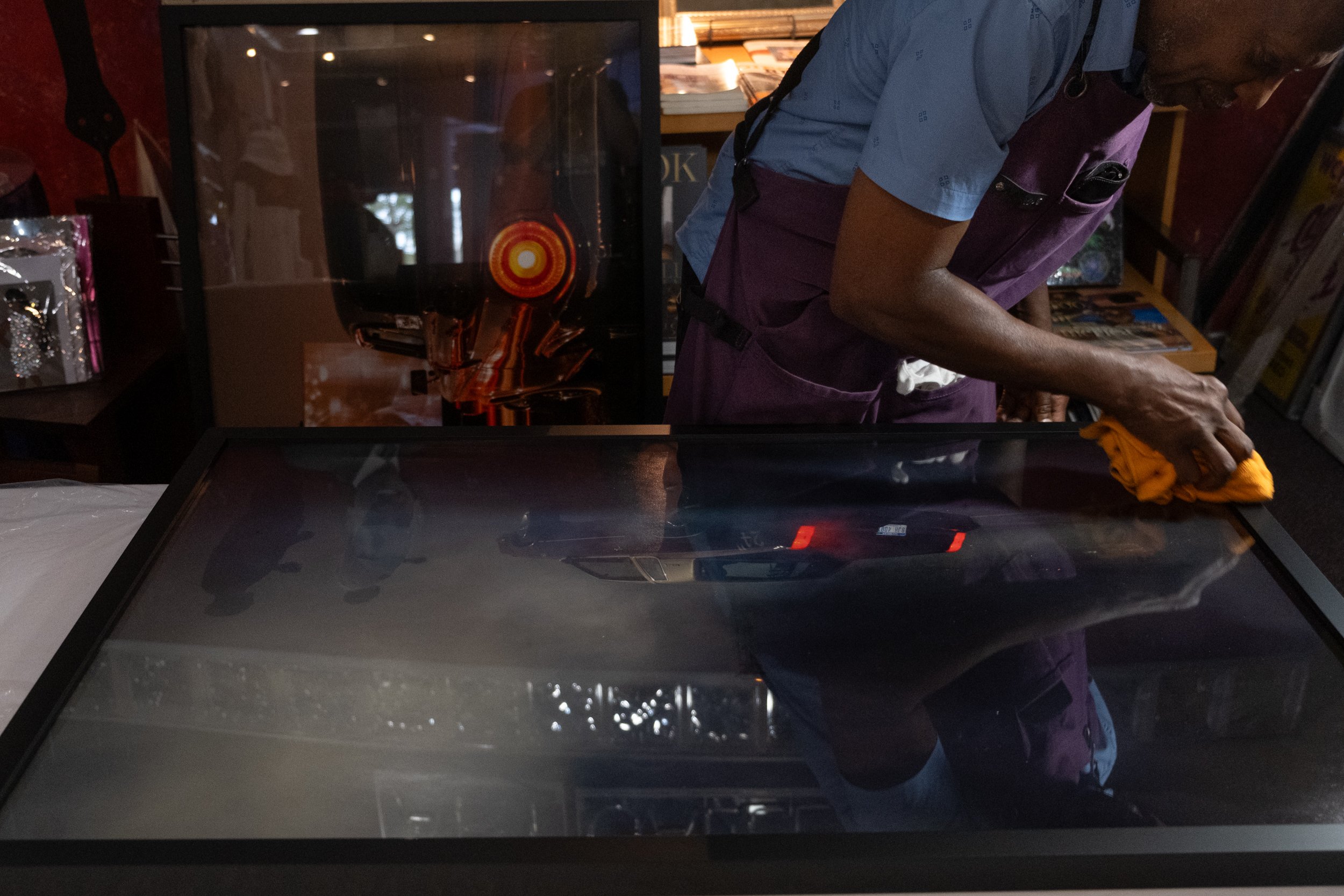
Bringing the exhibition to Eric Vaughn and the crew at Eric’s I’ve Been Framed Shop, a Detroit staple I value and highly recommend!


The Photographs Arrive Before I Do
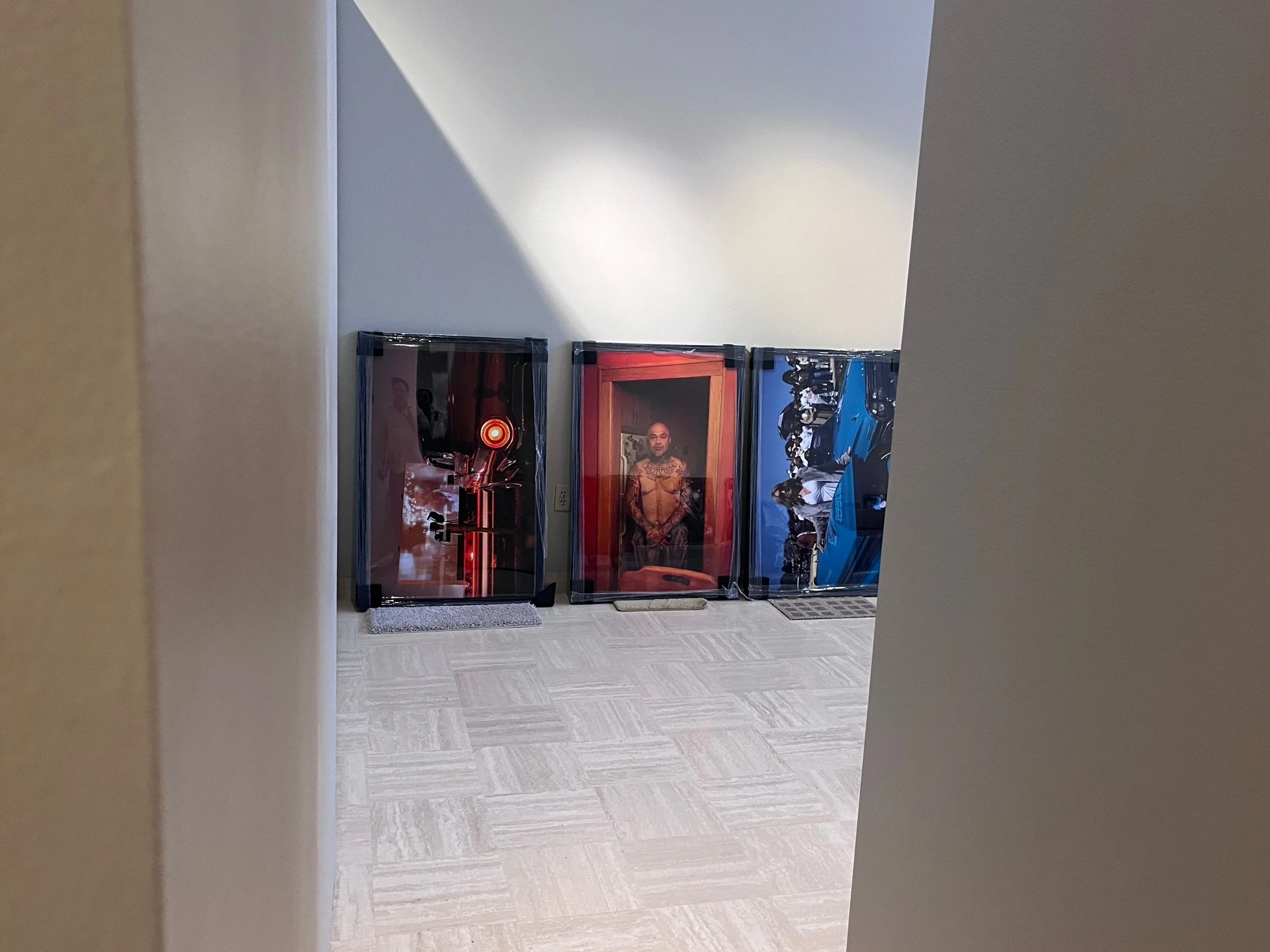
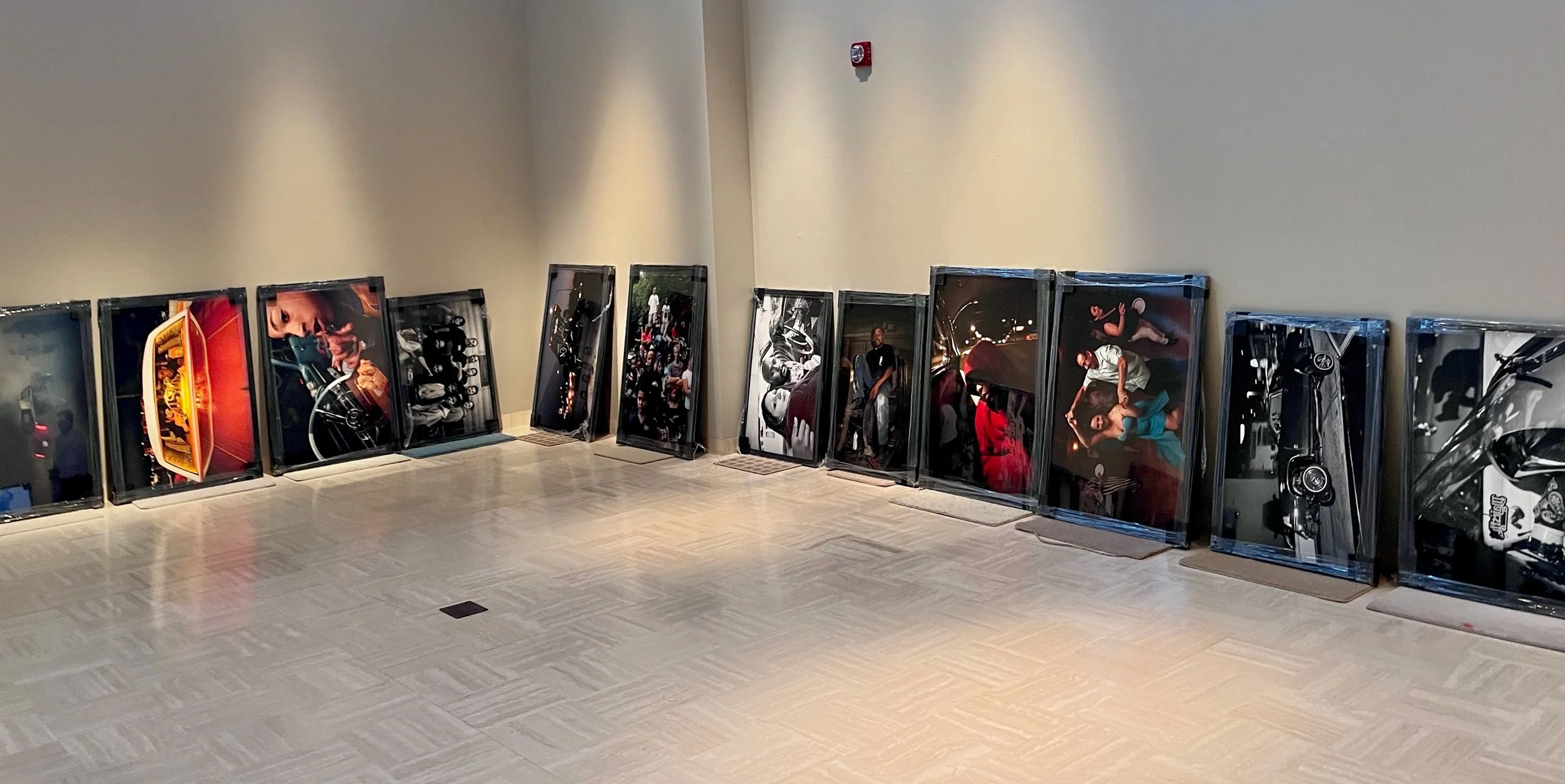
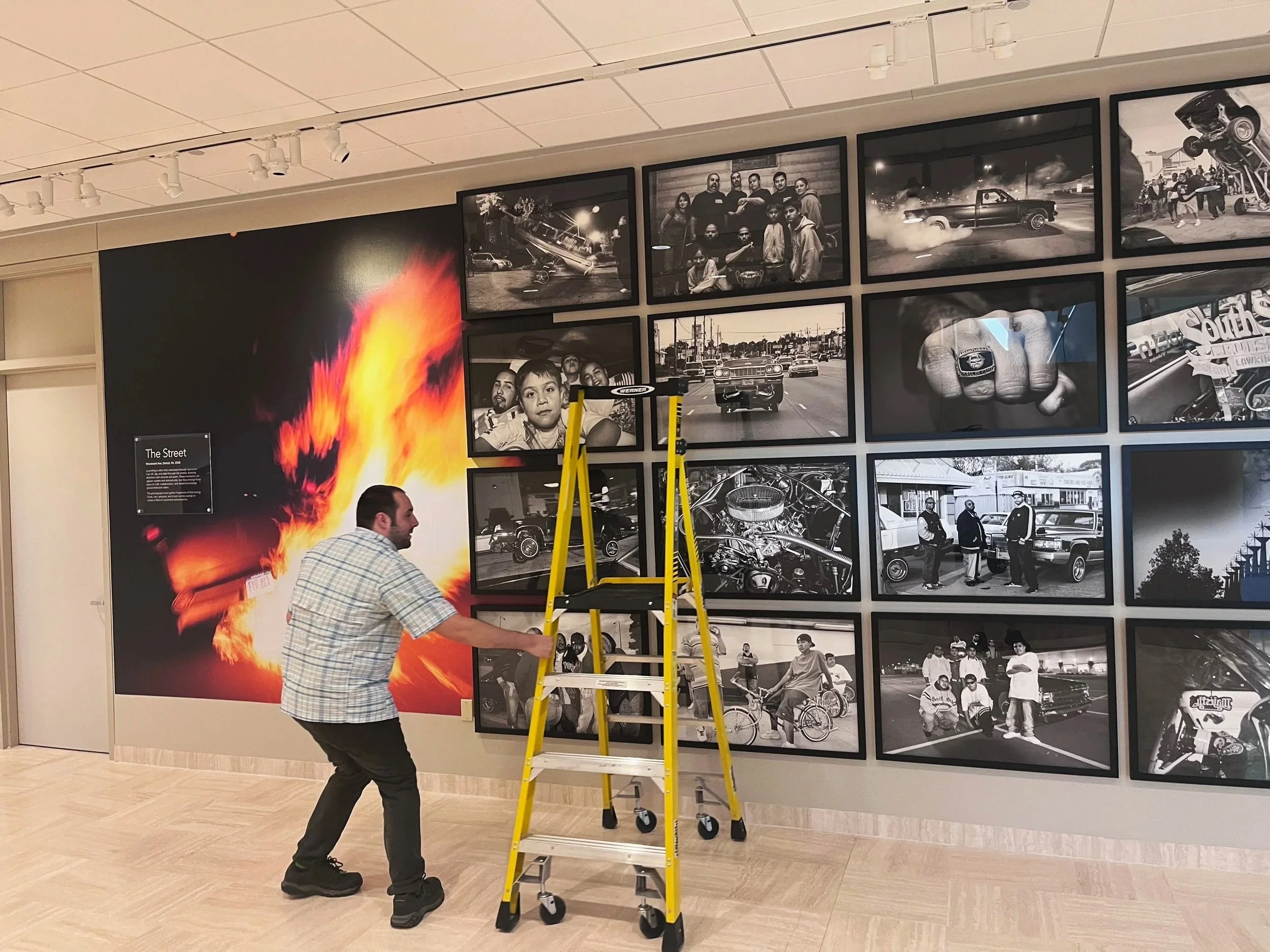
Entering the museum with Lindsey Gehlhausen and encountering the complete group of framed photographs together for the first time.


Making the Room
Working with Wall Street Productions to translate the exhibition from layouts, measurements, and ideas into a physical space.


There are many other people and decisions inside the exhibition, and more stories I hope to tell. For now the posts offer a way to follow some of the work that took place before the show opened.

On September 17th, I will continue this story through an artist talk moderated by SVSU Professor of Art Shaun Bangert and joined by Kathy Perez, Abel Perez, and Gabriela Baginski. Together, we will consider how a photographic body of work is shaped across 20 years and what happens when that work finally enters a museum.
Read about the September 17 artist talk.

Erik Paul HowardComment
Artist Talk: Erik Paul Howard in Conversation

Thursday, September 17, 2026, at 5:30 p.m.
Marshall M. Fredericks Sculpture Museum
Saginaw Valley State University


Join photographer Erik Paul Howard for a conversation about how a photographic body of work is shaped across 20 years through relationships, accumulated images, memory, collaboration, editing, printing, and the demands of finally making an exhibition.

Moderated by SVSU Professor of Art Shaun Bangert, the conversation will center Howard’s development of The Lowriders: From Detroit to L.A. and Back, from the beginning as an evolving photographic archive to its current life as an exhibition.

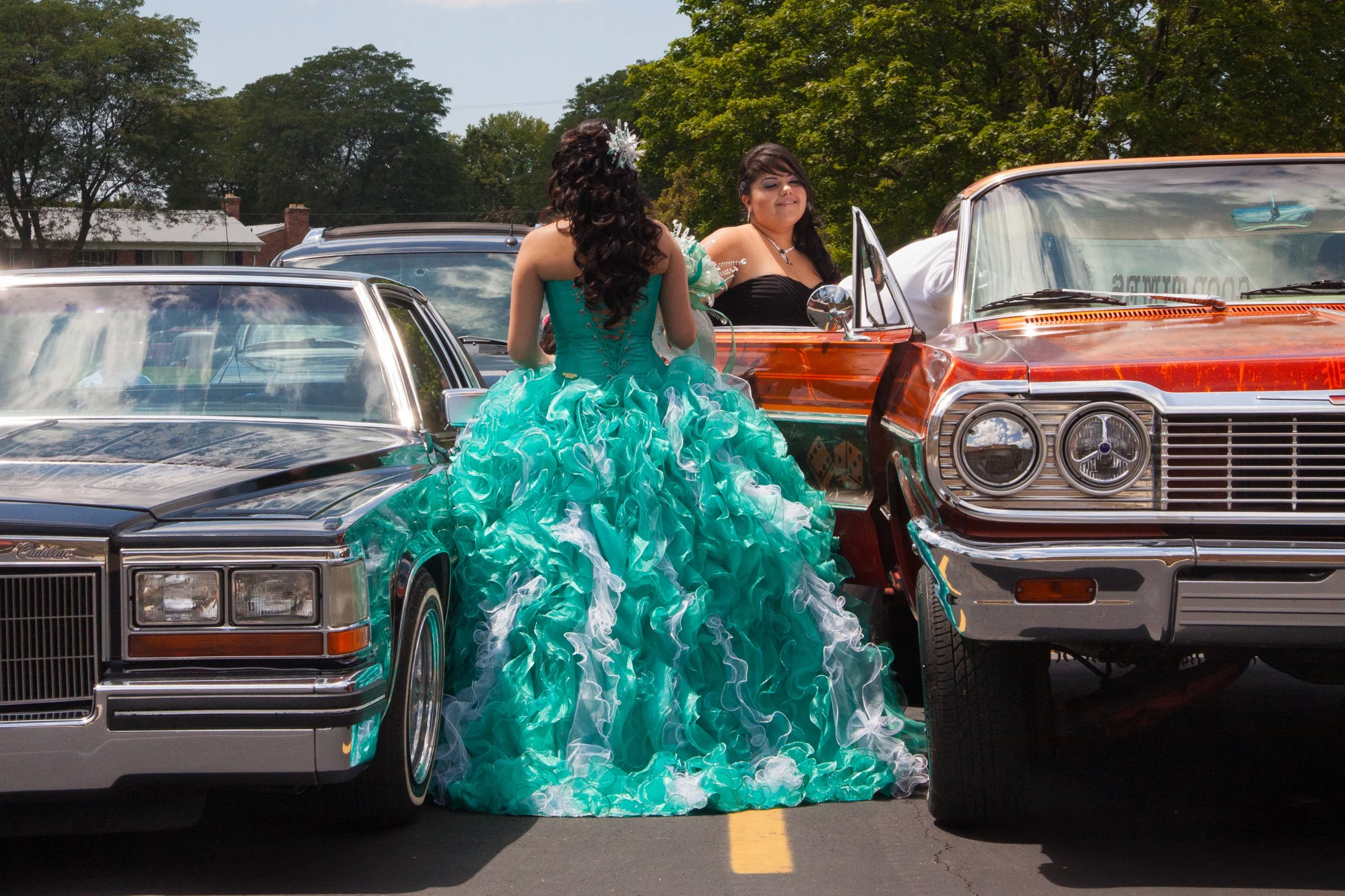
SVSU alum Kathy Perez stands between two lowriders during her quinceañera celebration. St. Thomas Aquinas Church, Detroit, MI (2013)

Howard will be joined by three guests whose relationships to the work offer distinct ways into its story: Kathy Perez, who grew up lowriding, is an SVSU alum, and first brought Howard to the Marshall M. Fredericks Sculpture Museum 10 years ago; her father, Abel Perez, a lowrider with the Detroit chapter of GoodTimes Car Club; and Gabriela Baginski of Image Works, who worked closely with Howard to print the exhibition.

Together, they will consider how photographs gather meaning through lived experience and collaboration, and how decisions about sequence, scale, materials, and space transformed the project once it entered the museum.
Making The Room

“There had been so many moments throughout this process where I knew what I wanted something to feel like but didn’t necessarily know the best way to make it happen.”

By late July/early August there were still a lot of moving parts to solve before the exhibition could really become a finished room (and hallway).

All the photographs were in Saginaw but we still had the vinyl, wall text, measurements, installation questions, and a timeline that was getting tighter by the week.

At our annual lowrider picnic at the Detroit Historical Museum I was talking to Dave Marchioni, who works there, and he recommended that I reach out to Tim at Wall Street Productions.

Dave Marchioni leads a Lowrider Garage workshop with Inside Southwest Detroit at the annual Uso Detroit picnic at the Detroit Historical Museum. (2026)
That connection came right on time. From the first conversation Tim was clear about what they could do, what things would cost, how long they would take, and where we might need to adjust. That kind of certainty was incredibly helpful at this stage of the project.

Our first trip to the museum together immediately felt collaborative. We walked through the galleries, talked again through the vision for the show, looked at potential obstacles, and took measurements.

Over the next few weeks, we kept working through challenges one at a time. By install week, so many things that had existed as drawings, files, proofs, measurements, and plans were finally becoming physical. It was a reminder for me of just how much physical projects depend on people who know how to make ideas work in real space.

There have been so many moments throughout this process where I knew what I wanted something to feel like, but didn’t necessarily know the best way to make it happen. Having people around who listen carefully, understand the intention, and help solve for the actual walls makes all the difference.

And the room was finally starting to look like the exhibition we had been imagining as a result.

The Photographs Arrive Before I Do

“They looked like kindergartners waiting for their assignment.”

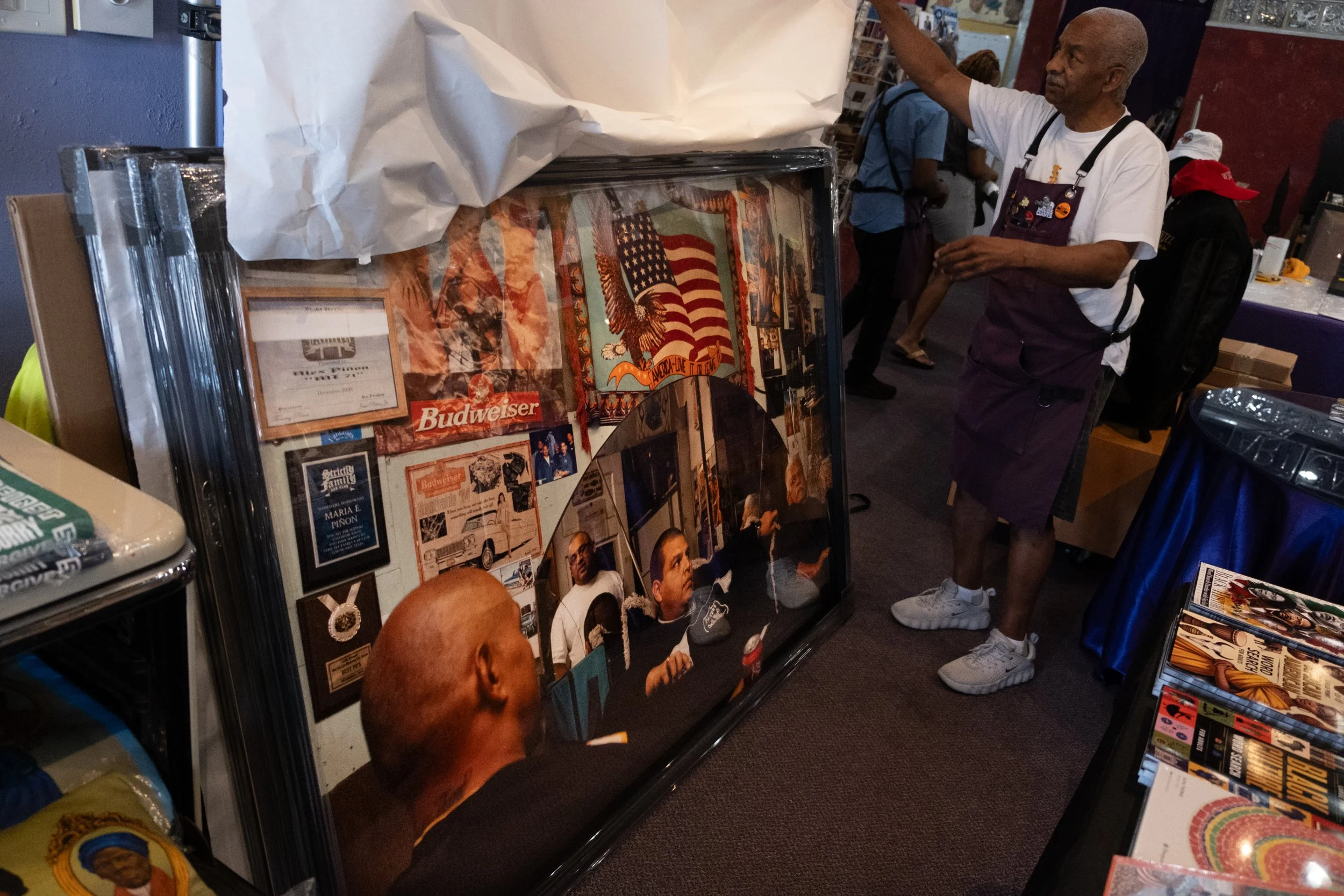
Navis Shipping picked up the framed photographs from Eric’s I’ve Been Framed Shop and took them to the Marshall M. Fredericks Sculpture Museum.

So I wasn’t there when they arrived.

A little later that day, the museum sent me a full inventory of the work they had received, with photographs and notes for each piece. It was strange and exciting to get pictures of my own pictures. For a few of them, it was also my first real look at the finished framed work. Until then, I had been experiencing the exhibition in pieces.

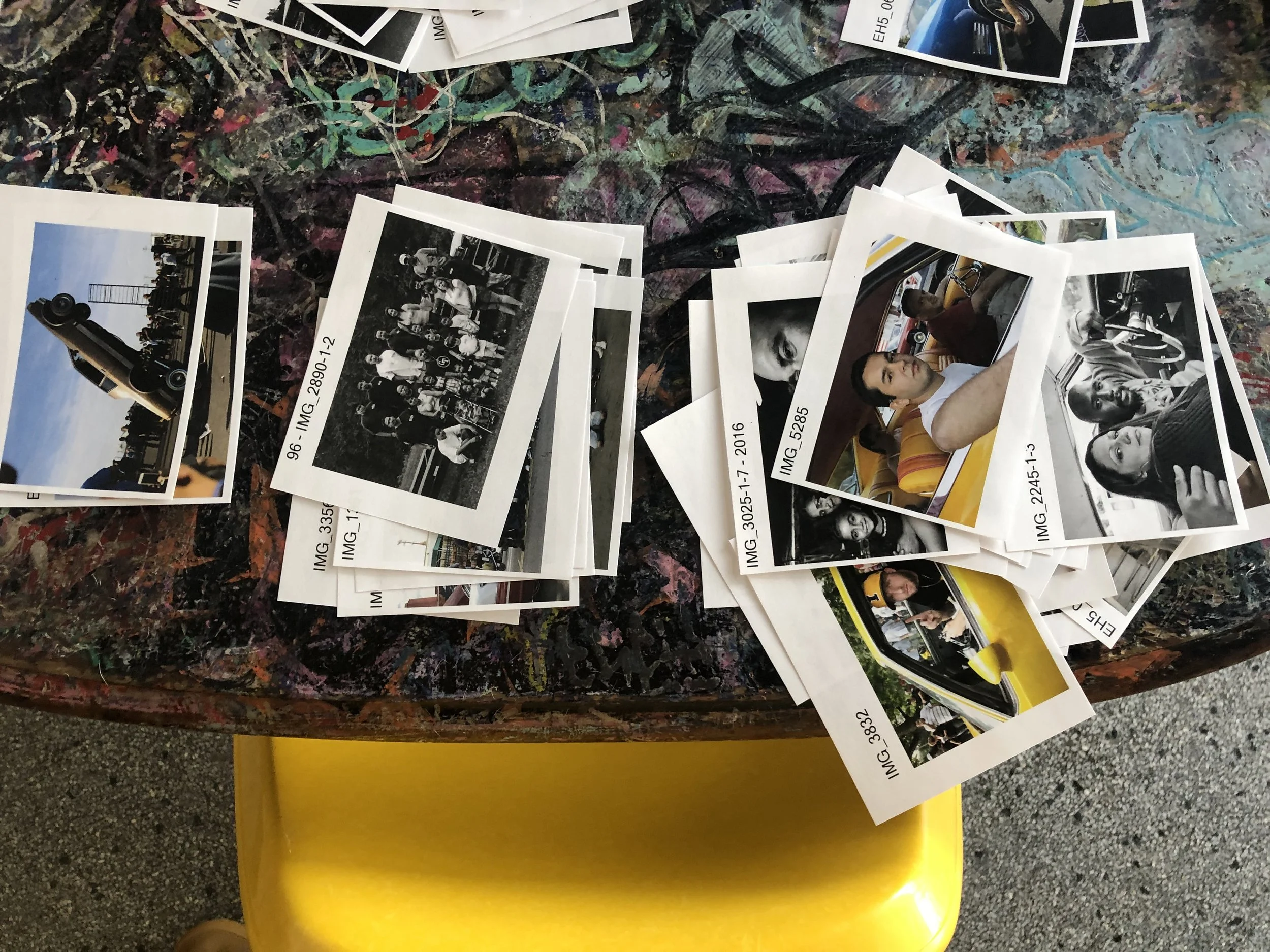
Files on my computer. Prints at Image Works. Frames at Eric’s. Small 5x7 versions in a box. Notes and layouts showing me (and anyone who would look with me) where everything was supposed to go.


Now the whole thing was in Saginaw. When Lindsey (Gehlhausen) and I eventually went up to the museum, the photographs had been moved into the gallery and loosely placed according to where they would eventually hang.

Each one was sitting on its own little carpet square. They looked like kindergartners waiting for their assignment.

Walking around the room and seeing Lindsey respond so strongly to the work really underlined the moment. I knew every photograph. I had spent years with many of them. But seeing them all framed and together in one room and being received, all together, by someone else made the project feel different.
It felt real. There was still plenty left to do. Nothing was finished. But the show had arrived before I did. I’ll always remember walking into the room and meeting it there.

I've Been Framed

“One of the things I really appreciate about having support for a project like this is getting to spend some of that support with people and places I already value.”

I’ve known about Eric’s I’ve Been Framed Shop for 16 or 17 years.

I first noticed it while attending the University of Detroit Mercy across the street, partly because we share a name. LOL. Over the years I’ve stopped in, bought a few things, and sent plenty of friends and artists there for gifts or framing.

So it felt especially good to finally have a project large enough to bring myself.

By the time I called Eric, I was coming in a little late. There were a lot of moving parts with this exhibition and it took time to get printing, sizes, quantities, and logistics settled. He took my call, listened carefully to what I needed, and gave me a clear sense of what he could realistically do, how long it would take, and what it would cost.

I dropped off the 24x36 black and white prints first, then came back a week later with the color photographs. On that second visit I got my first look at some of the frames while they were being finished.

There are a number of frame shops around Detroit that could have handled this work well. But one of the things I really appreciate about having support for a project like this is getting to spend some of that support with people and places I already value.

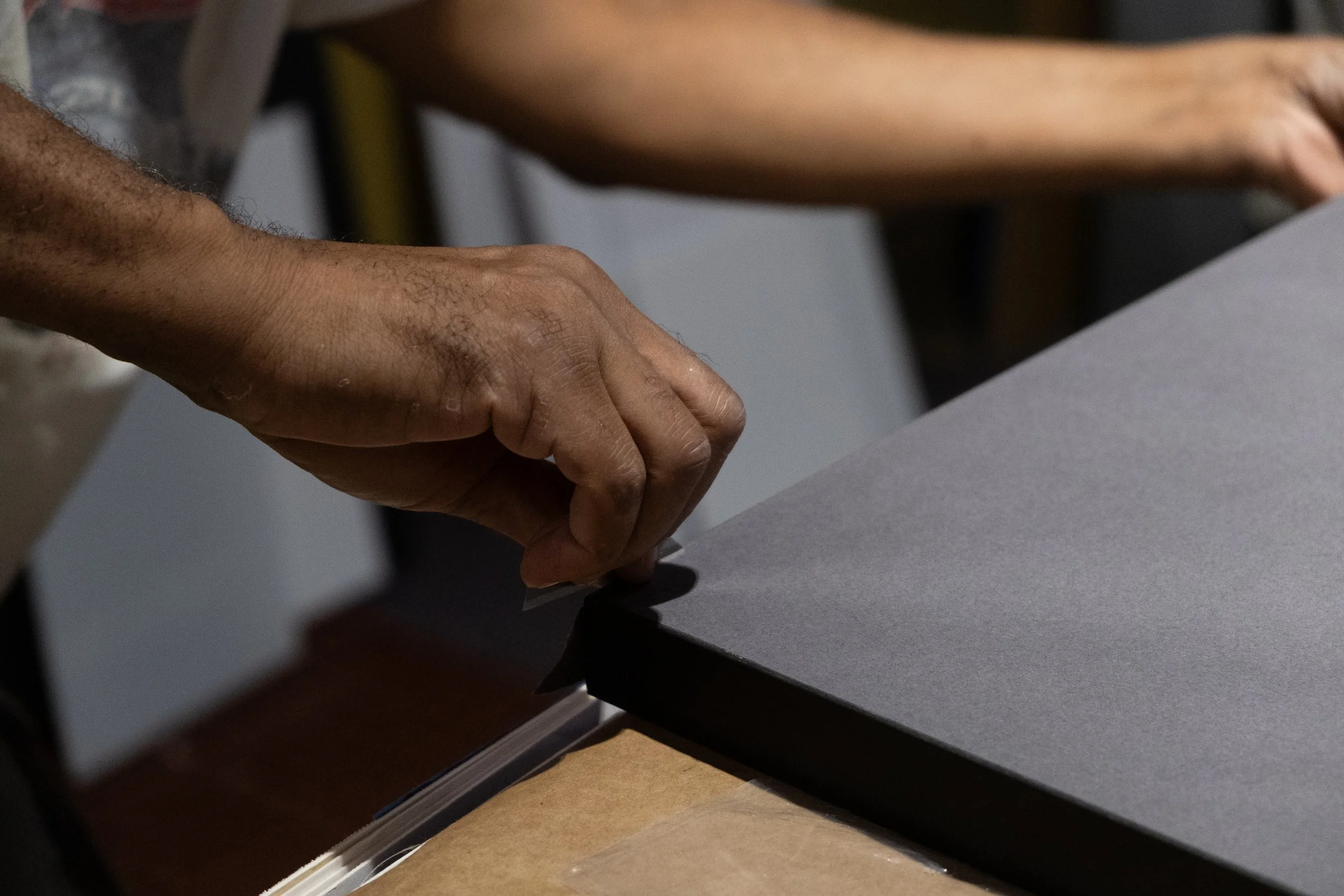
Before he went on vacation, Eric let me stop by so I could document some of the process him and the crew were working through. Partly for the archive. Mostly to say thank you.

I’ve recommended the shop for years. Now, I’ve been framed. It feels good to finally be a part of and show some of the work happening there, too.

How A Photograph Should Feel

“There wasn’t anything wrong with the new proof. It just didn’t feel like the mood I remembered.”

Gabriela Baginski and I have been working through proofs and paper decisions at Image Works for the exhibition. For the color photographs, we landed on Canson Platine Fiber Rag. The black and white work was giving me a harder time.

I brought in a few prints from my 2014 Scarab Club exhibition, printed by Tom Stoye, so we could compare them side by side with the new proofs. Those prints have always had a particular feel to me. The show was hung without frames, so the texture of the paper was part of how people experienced the photographs (whether they recognize it or not, it is an accumulated impression).

There was one photograph in particular, the small group on Crenshaw next to the Impala, that made the difference clear. There wasn’t anything wrong with the new proof. It just didn’t feel like the mood I remembered and wanted to bring to this exhibit.

Gabby was patient with me while I worked through it, even though changing paper at this stage meant some extra work. We started looking at other options and eventually changed the black and white photographs to Moab Entrada Rag Natural. It’s a matte paper that felt much closer to what I wanted to borrow from the Scarab Club prints.

A few weeks later we printed the full black and white set.

Seeing them come off the printer was proof. Even knowing these photographs will eventually sit behind glass, the difference in the surface of the paper still comes through.

If I didn’t know already, the exhibition is teaching me just how many little decisions it takes to make a whole. Some parts are difficult to know until the right version is laid out next to one that doesn’t feel quite right.

I’m grateful to be working with people who understand this and are willing to keep looking with me until things feel right.

Finding The Energy

“I know this style and flow. I’m fluent. But it’s not my first language visually.”

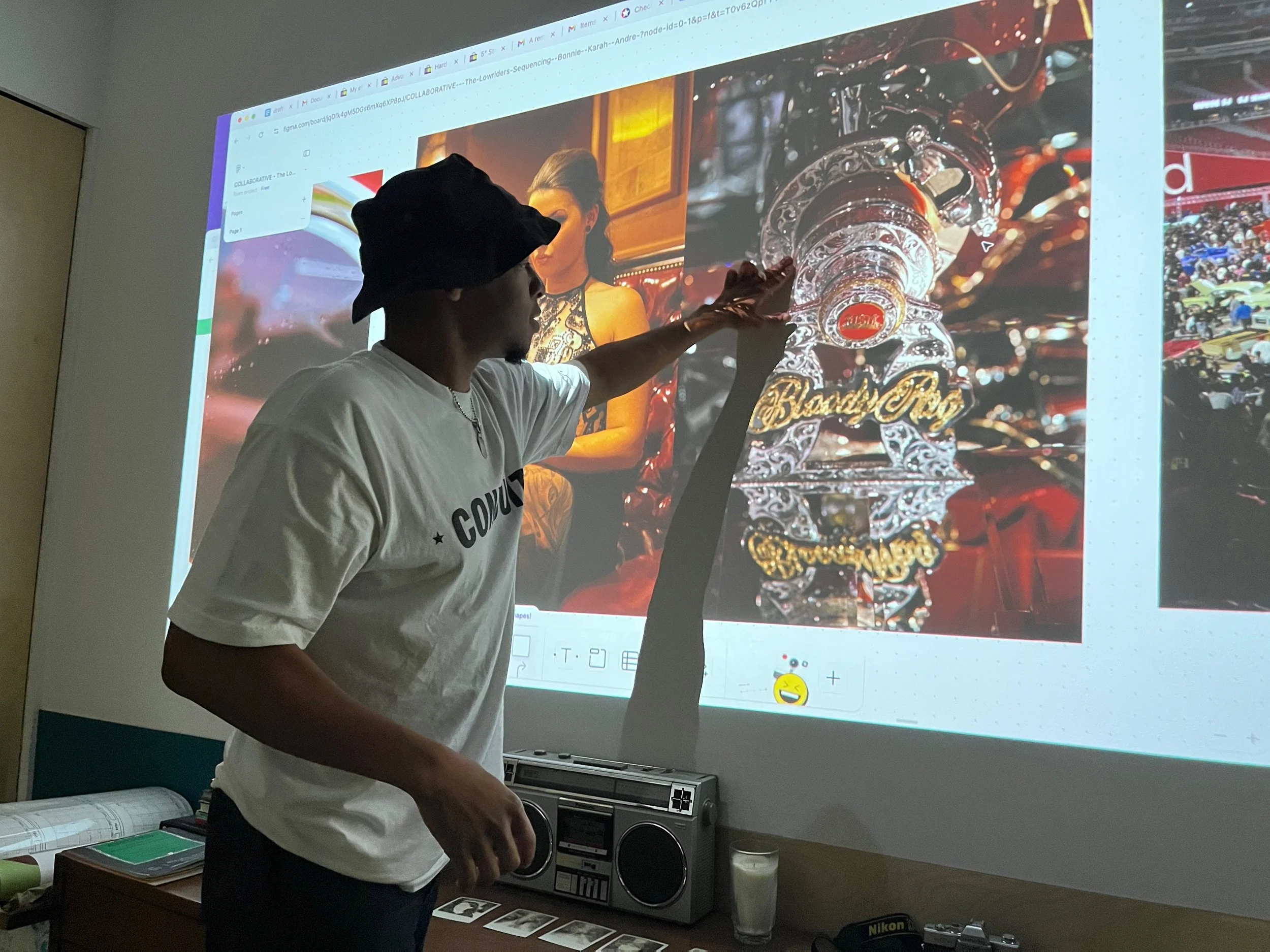
For the last few weeks, Andre and I have been working through the hallway portion of the exhibition for the Marshall Fredericks Sculpture Museum show.  

We started with a nine-photo grid that just wasn’t landing. I wanted this section to have a different kind of energy than what was happening in the main gallery. Something more visceral and immediate than the rest of the show.

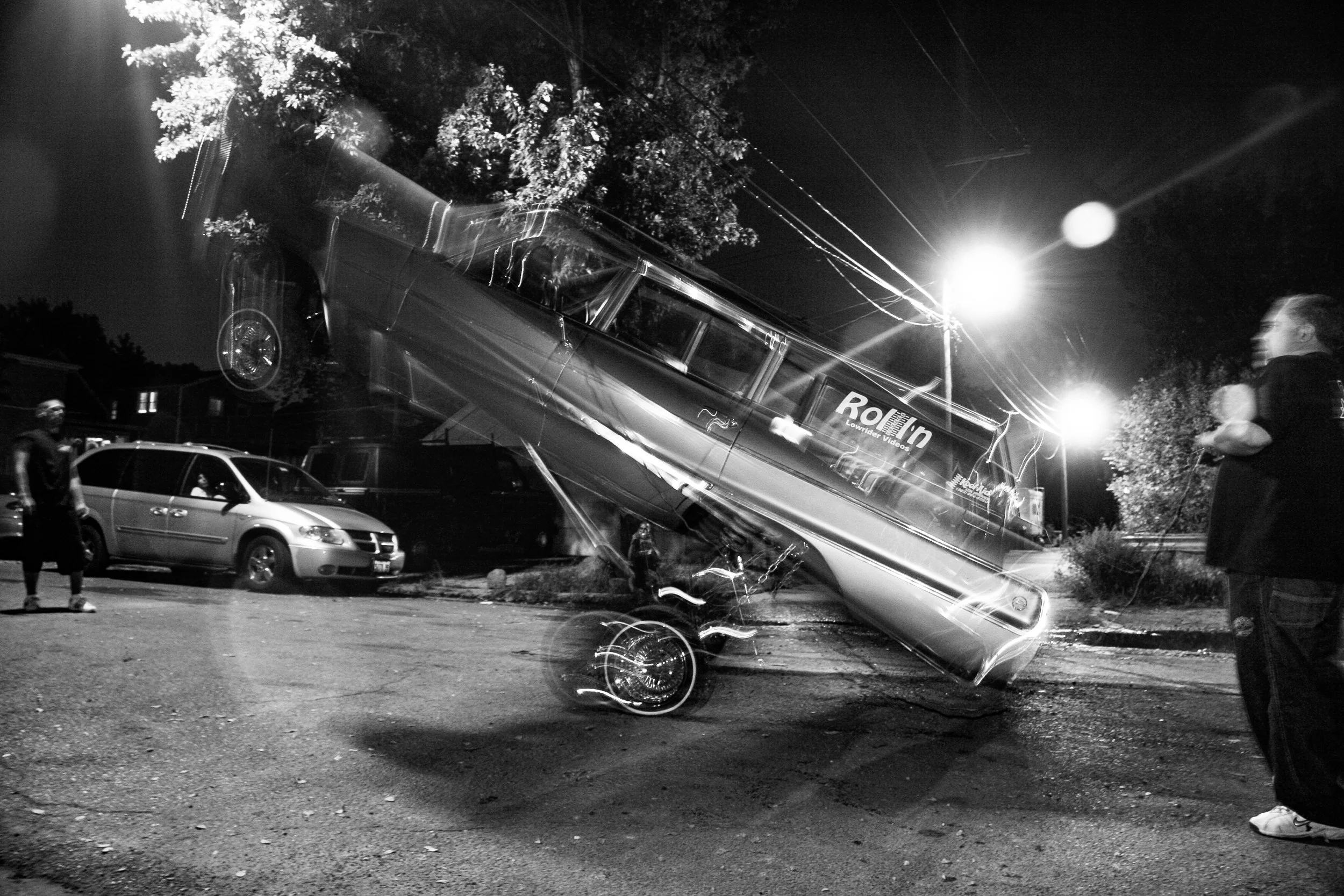
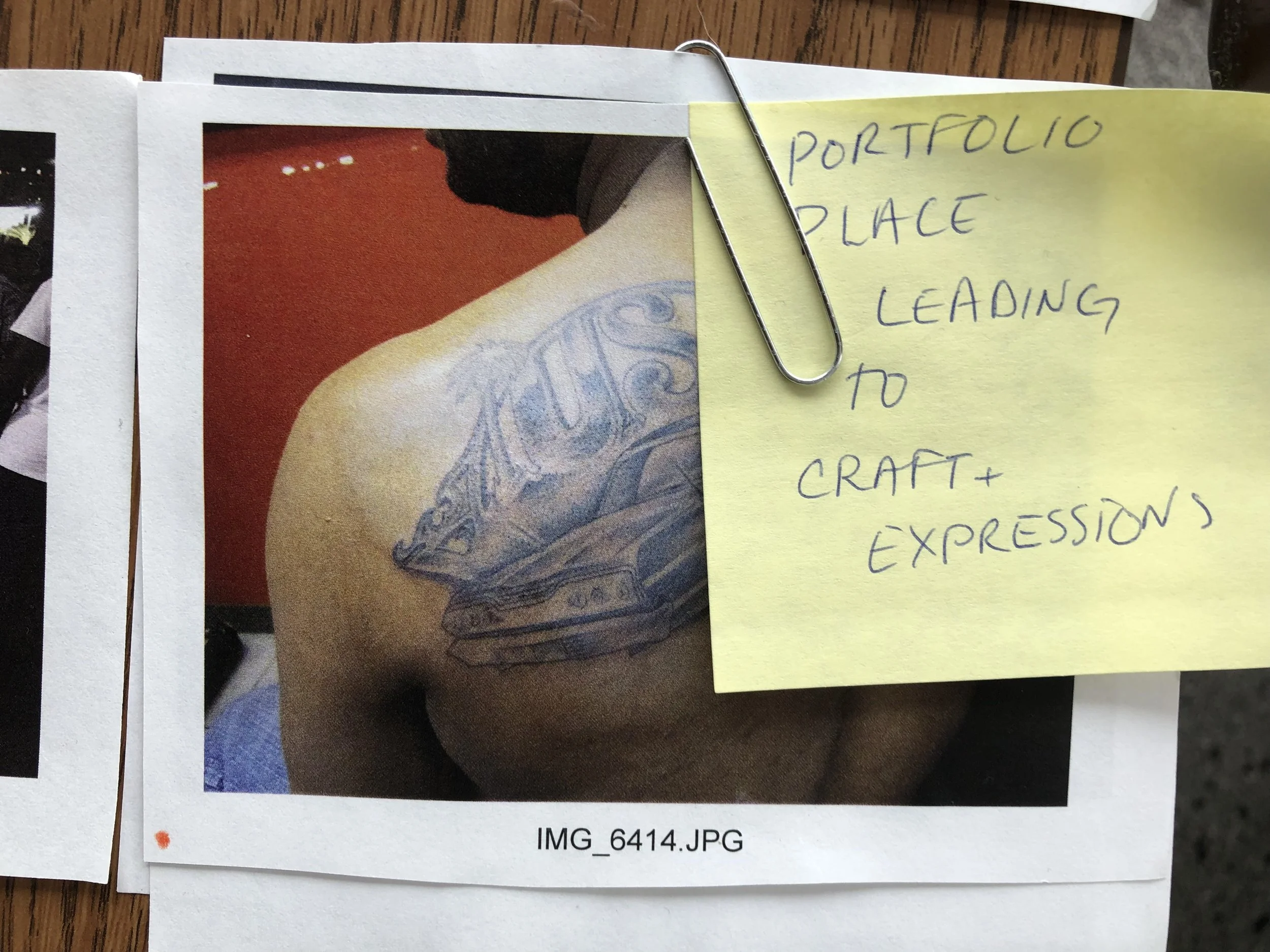
I kept thinking about the visual language people often associate (or expect) with lowriding. Much of what gets to the general public is dramatic imagery. It’s spectacle—cars hopping, custom paint and engraving, tattoos, gestures, and urban landscapes. These are often the kinds of things that pull somebody in from the outside.

Juice, W. 62nd St., Chicago, IL (2008)

That isn’t usually how I choose to organize and present my work. I might use quieter photographs and everyday moments to build a story together with the more dramatic scenes. This is true with The Lowriders, it’s true with my photographs of Southwest Detroit, and with much of my work.

I do know this style and flow. I’m fluent. But it’s not my first language visually—it often feels sensational for stories that want to be told slowly, intimately. For this installation, though, I started to think it might be the place to let it show up more fully. It’s in a hallway outside the main gallery and it’s about how people encounter lowriding. 

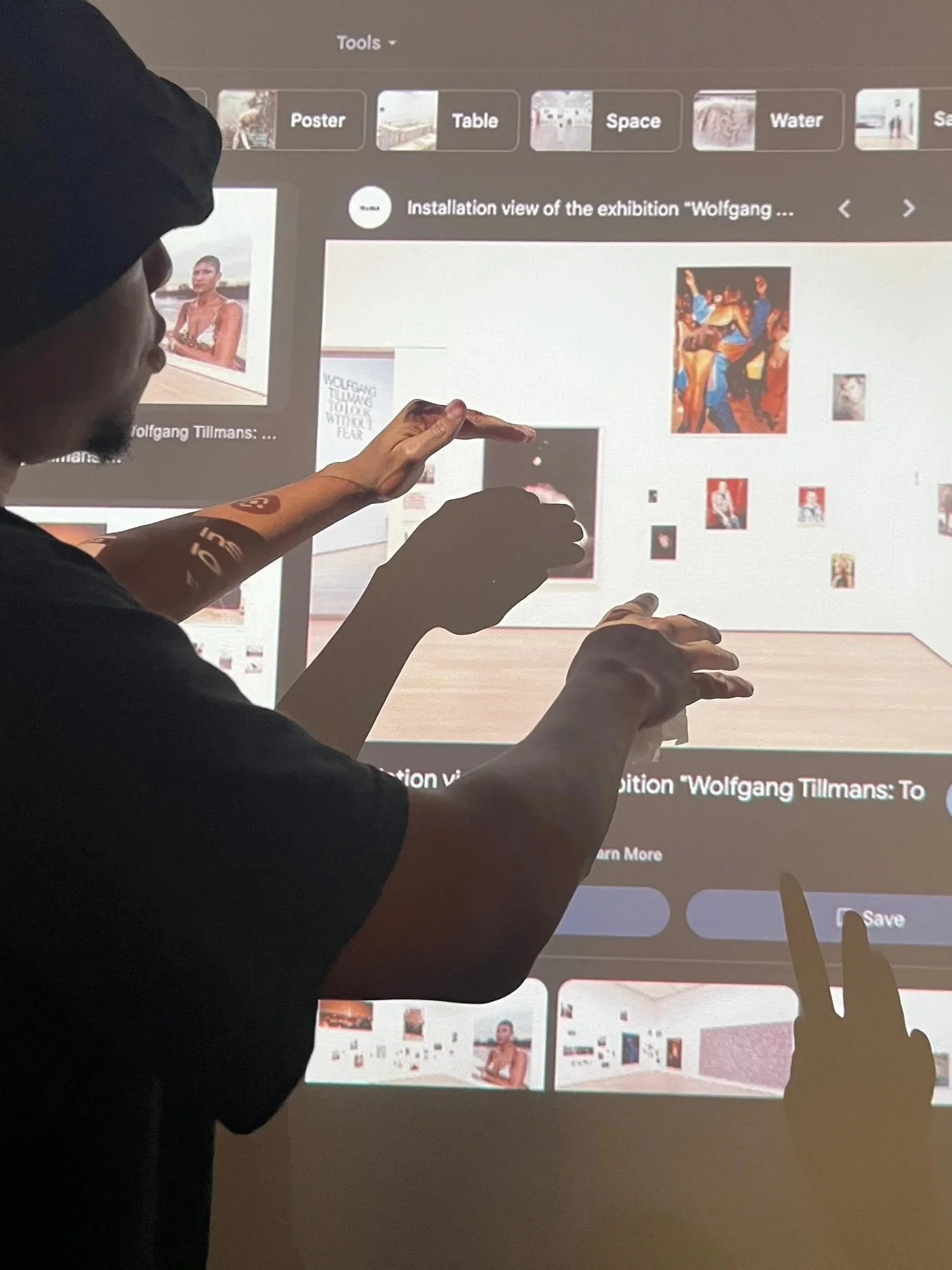
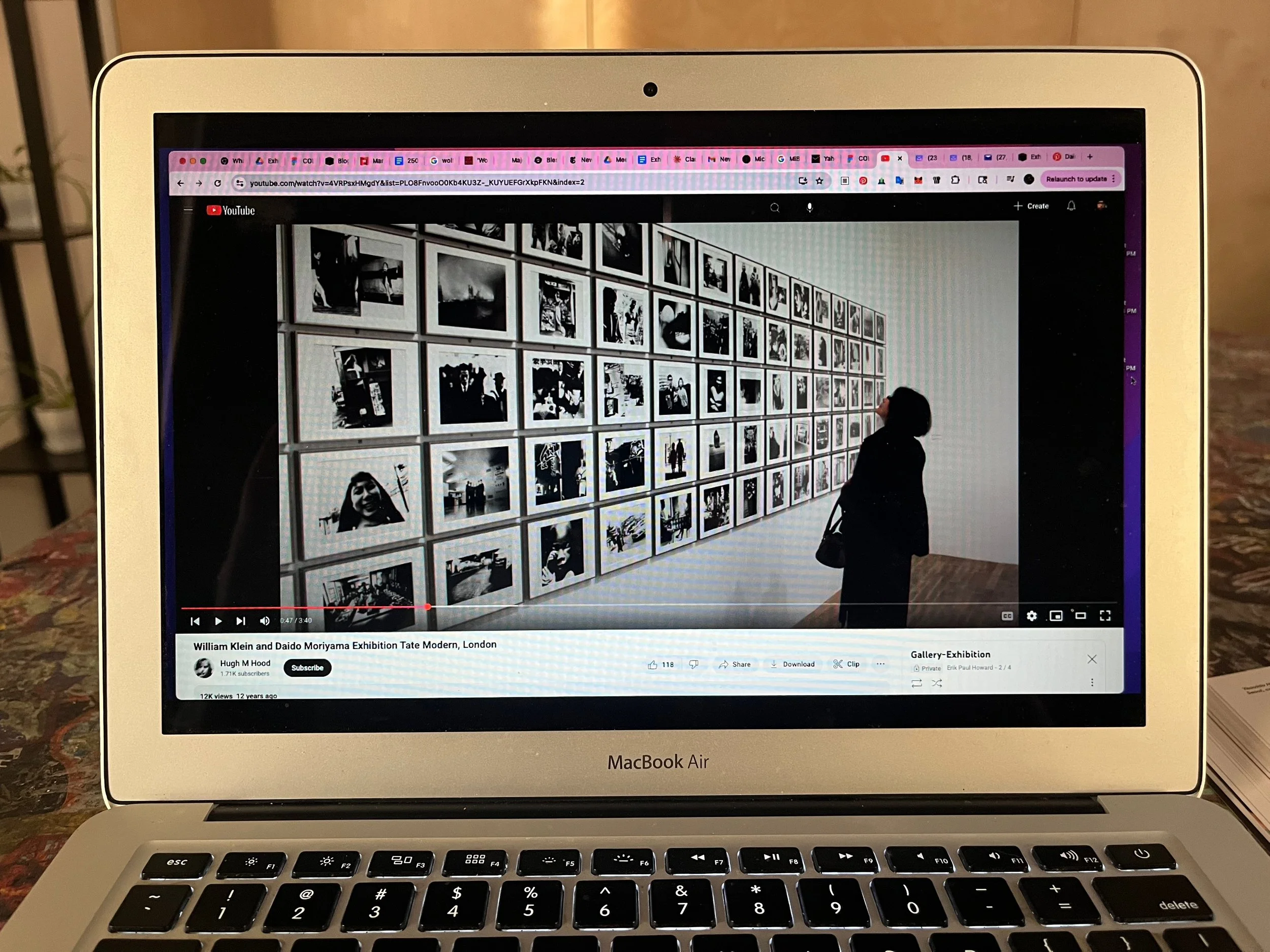
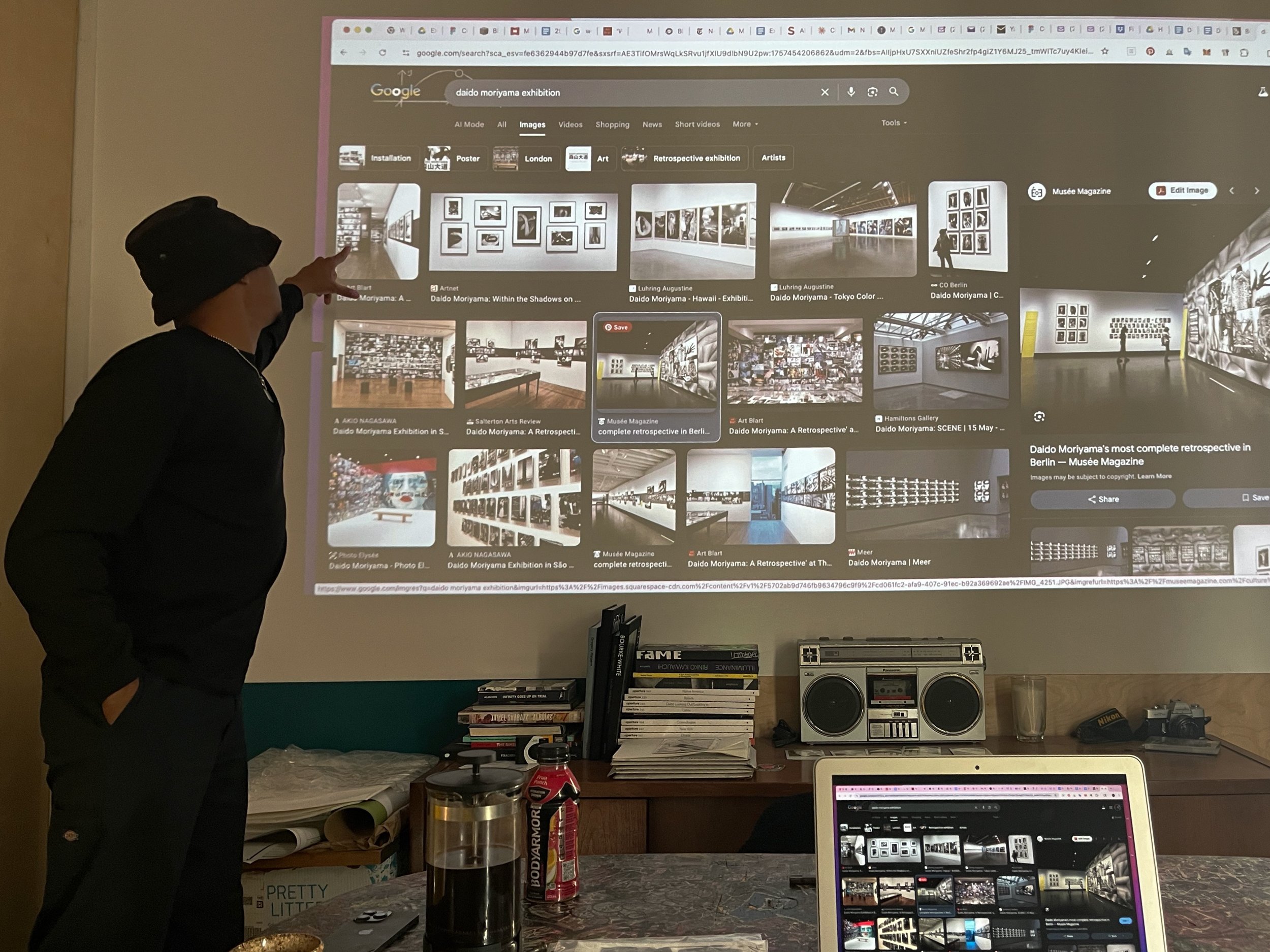
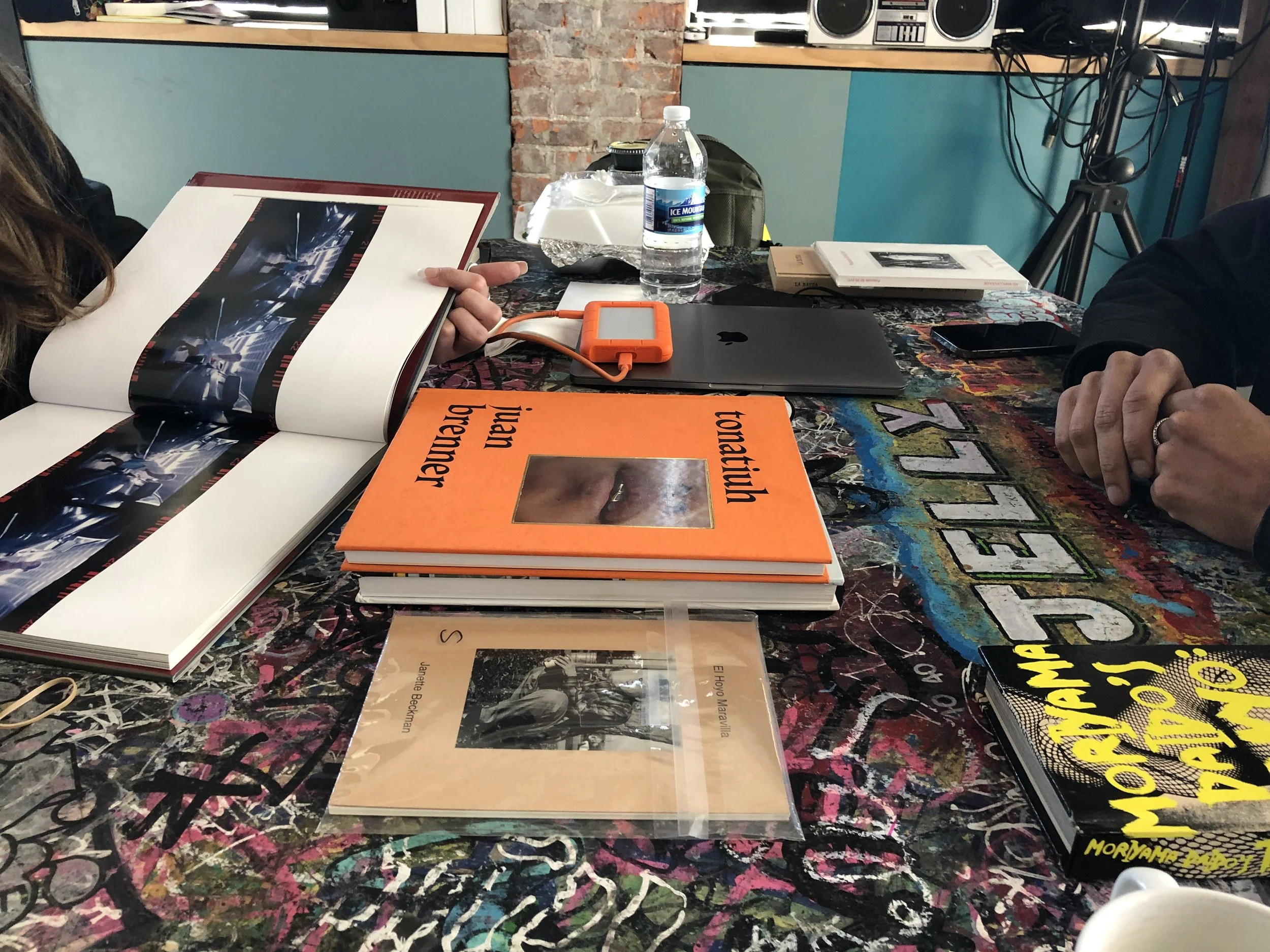
Andre introduced me to Daido Moriyama’s and Wolfgang Tillmans’ exhibitions and pointed out the way the photographs, scale, density, and space all work together to create an experience. That helped (and inspired) me. And it got us closer to what we were trying to do. 

We expanded the grid to 24 photographs. I wanted to go all black and white and frame it with an image of fire coming out of the tailpipes of a classic Chevy on Woodward Ave. 

Fire. Woodward Ave., Detroit, MI. (2008)

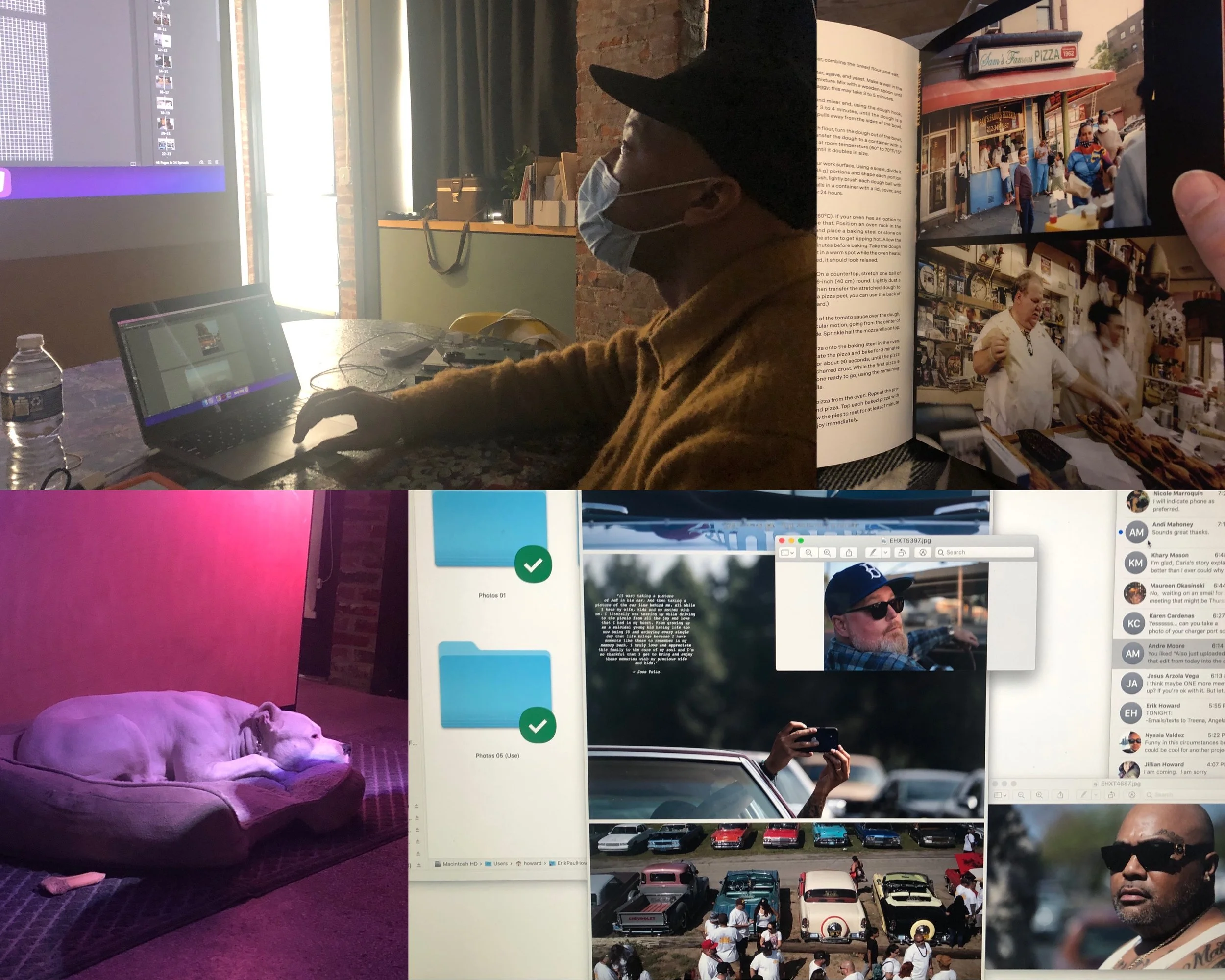
We worked at it slowly for a few weeks. A few sessions lasted a couple of hours and moved us forward only a little. Then one day we came to the studio, found an extended Dilla mix on YouTube and got to work.

I don’t know what happened… Flowers [09:10] for the transmission of Yancey loops and drums that had us in a different place.

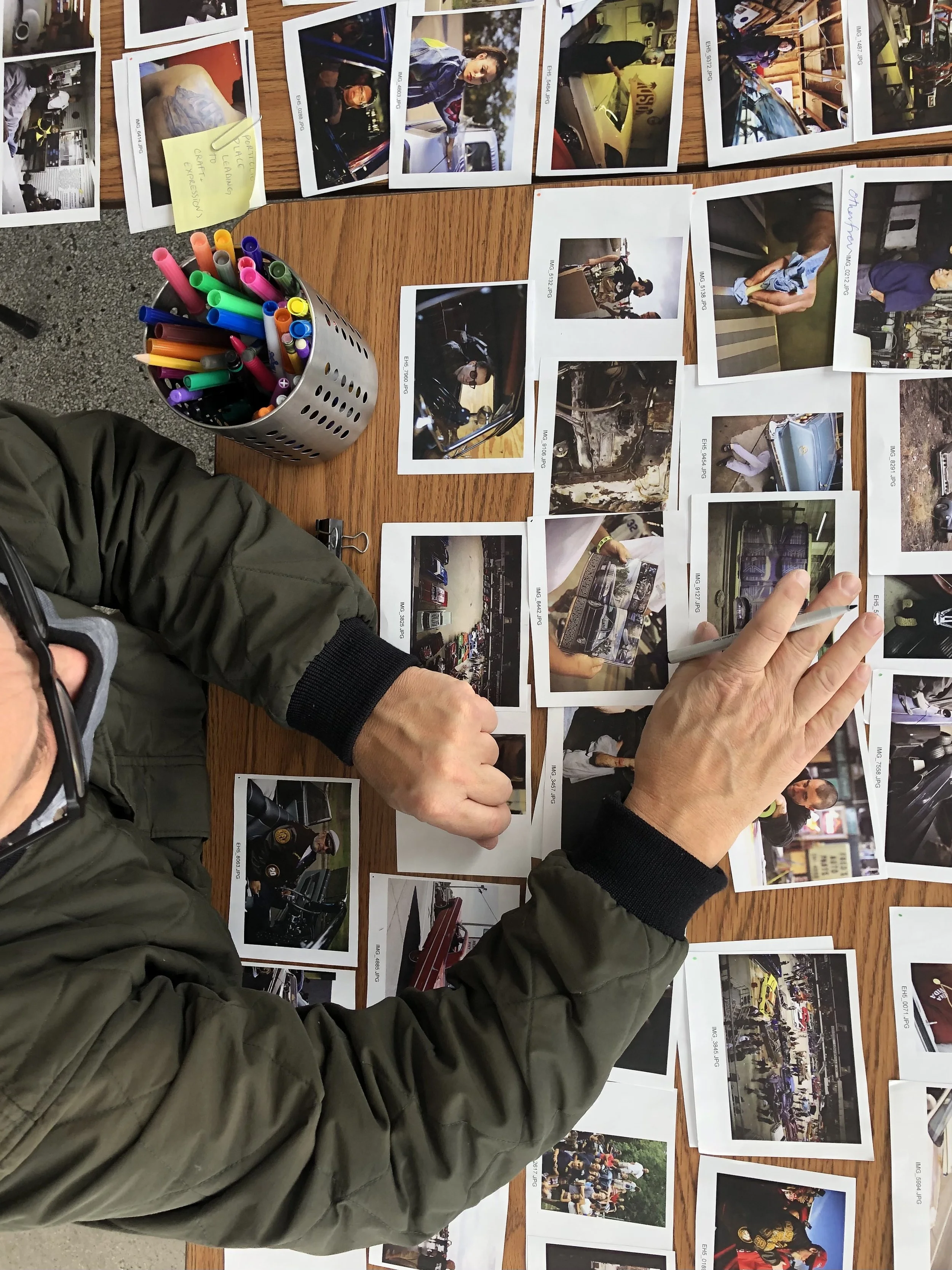
At some point we realized the grid needed a different cadence. There were too many photographs doing the same kind of work. We started pulling photographs in and out, switched up the pacing and went looking for images that could interrupt the rhythm a little. We got into a flow. I went back into the archive for several medium shots, close details, and a few photographs that brought place firmly back into the sequence.

It came together fast.

After spending weeks trying to figure out what this part of the exhibition wanted to be, all of a sudden it felt right!

A few folks were around for community darkroom that day and came over to see it as we were finishing up. That felt right too. So much of this project has come together like that. Slowly, collaboratively, and then all at once.

Making A Show ≠ Enlarging A Book

“I know the photographs pretty well. What I didn’t know was what the room was going to ask from them.”

After several visits meeting with museum staff and beginning to conceptualize the show I really wanted to start coming back with some of our creative circle.

Graig and I went up to the Marshall M. Fredericks Sculpture Museum to walk the galleries, take measurements, and start thinking through how The Lowriders: From Detroit to L.A. and Back might live in the space.

Graig is co-founder of Young Nation, a board member of Inside Southwest Detroit, and has been part of my design education since the first project we worked on together in 2003. He brought so much to the participatory design process when we bought and renovated 8869 Avis, and now runs Proxy By Design, providing owner’s rep services to his clients.

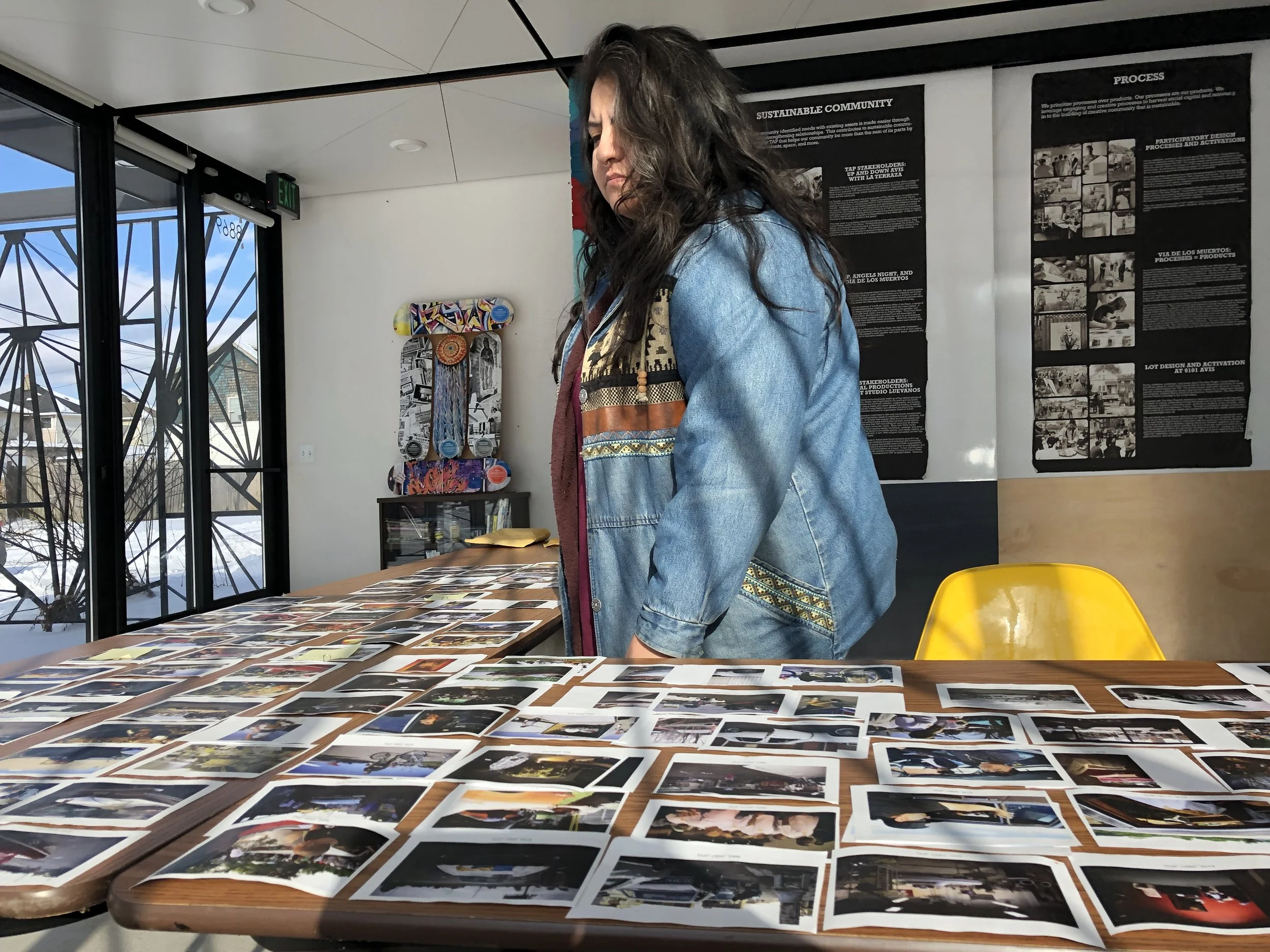
So walking the gallery with him was the best possible company and his felt like the right set of eyes to have on the opportunity. At this point I know the photographs pretty well. What I didn’t know was what the room was going to ask from them.

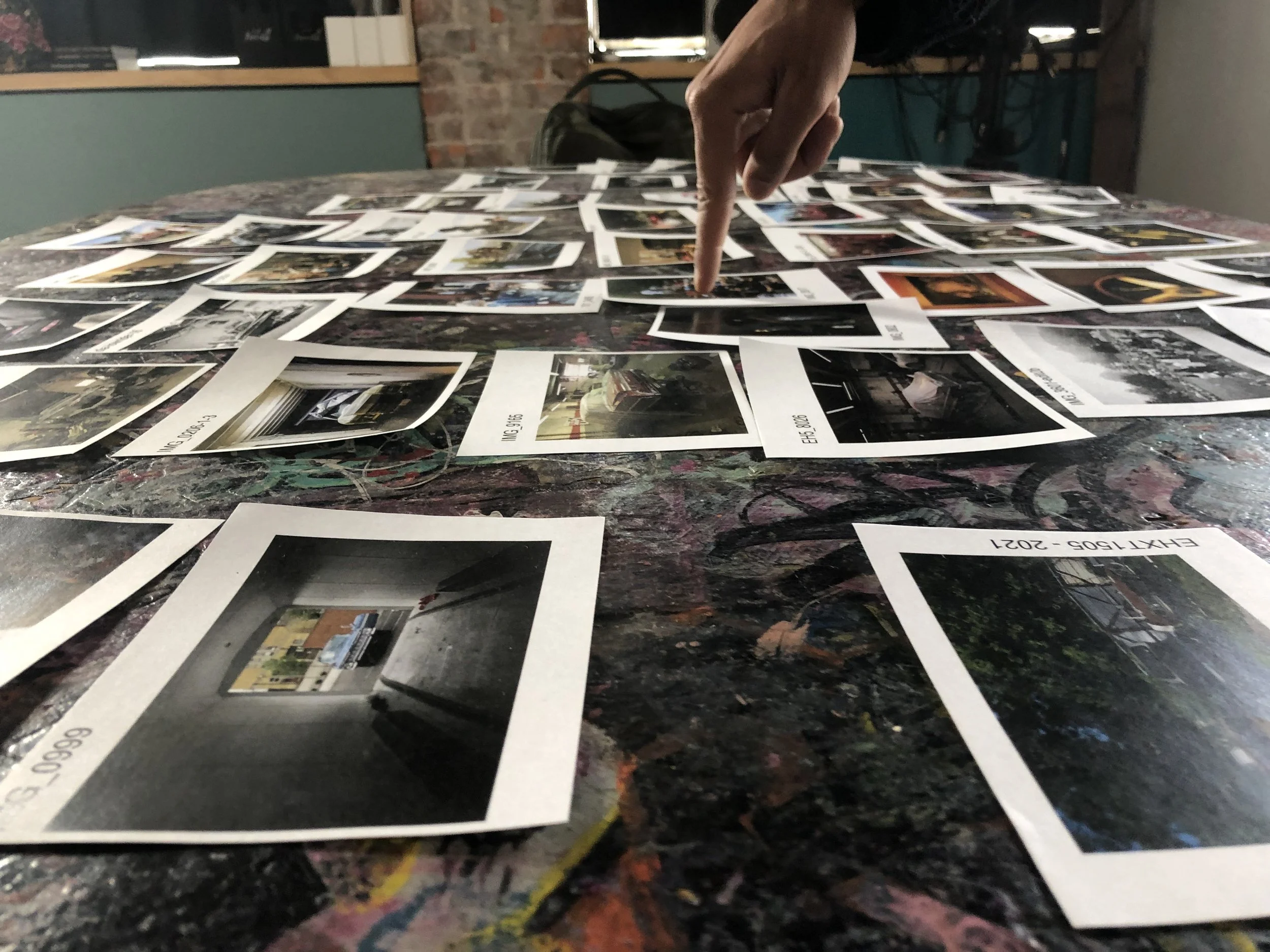
I have been up to Saginaw several times over the past few months and shared photos of some of the exhibitions with him. We started talking about scale, sightlines, sequence, and how someone might move through the exhibition. Some photographs could work differently depending on what came before them, what they sat across from, or how much room they had around them.

A few of the ideas started affecting how I thought about final selection and sequencing right away! 

I don’t want the exhibition to just feel like the book blown up and hung on the walls. A book has its own rhythm and feel. The gallery works differently. You’re standing inside it and you get to see more than one thing at once… you can be pulled across the room in a different way than across the page and through a book.


Our visit was less about figuring out where everything would go and more about how the space should feel, how a visitor can move through it, and what standing next to the work could add to the storytelling. It was a big step toward the show becoming its own thing.

Announcing ‘a Slang in the Steel, a Sound for the Sangat’

It is an honor to share my latest short film, a Slang in the Steel, a Sound for the Sangat, commissioned by the Museum of Contemporary Art Detroit and produced by Pink Gator Films! The film documents the work and practice of Nep Sidhu, an artist whose vision is deeply rooted in community, history, and sacred futurism.

It was a privilege and education to capture Nep’s process. This project really pushed me in the challenge to bring together visual storytelling and cultural reverence in a way that amplifies the spirit of his work.

A heartfelt thank you to MOCAD for the commission, to Nep Sidhu for his trust and access, and to dream hampton for believing in my lens and my heart to bring this to life.

Learn more about Nep Sidhu’s work at MOCAD: https://mocadetroit.org/nep-sidhu/

The Drop: Printing, Packaging, and Shipping

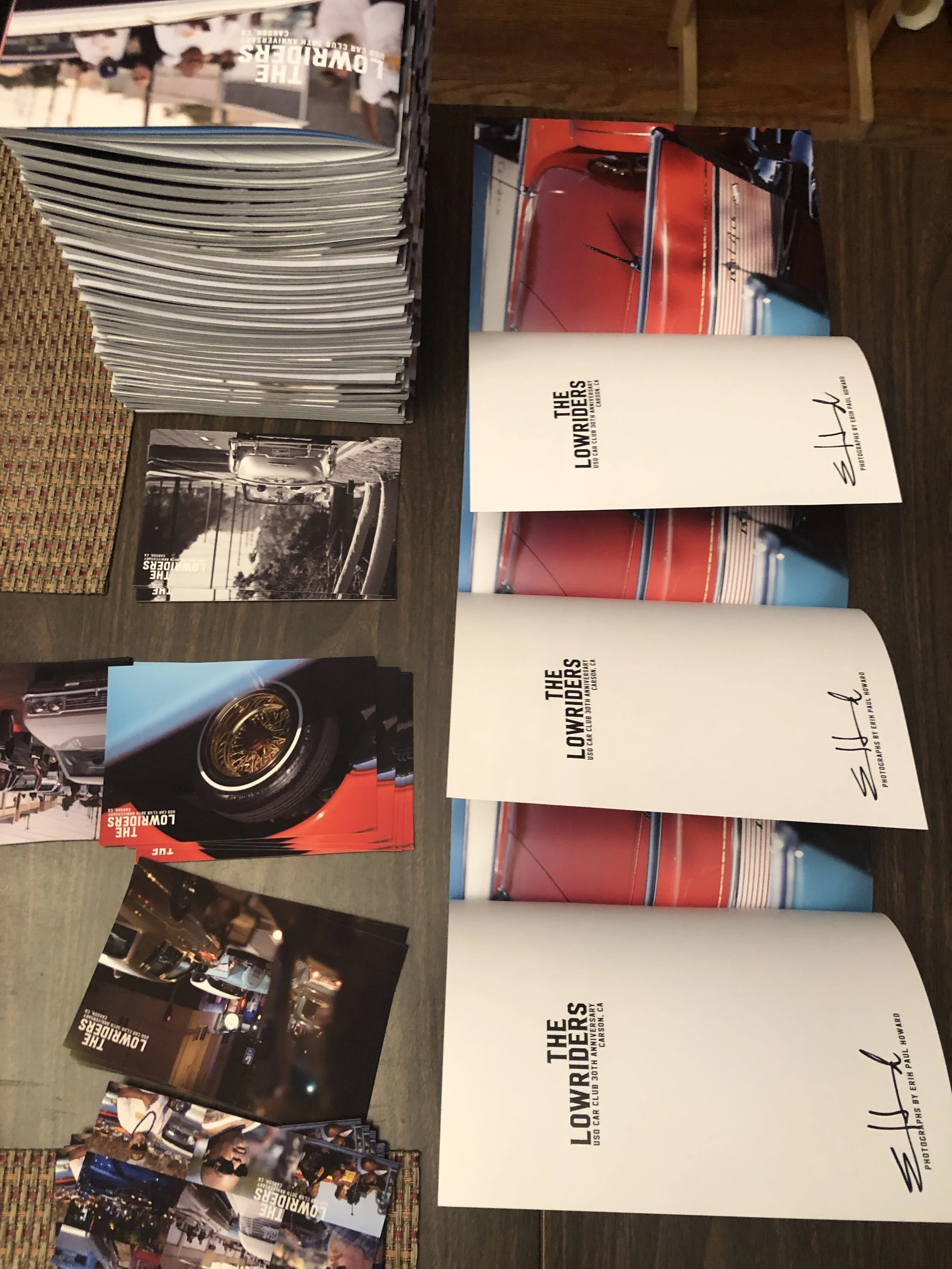
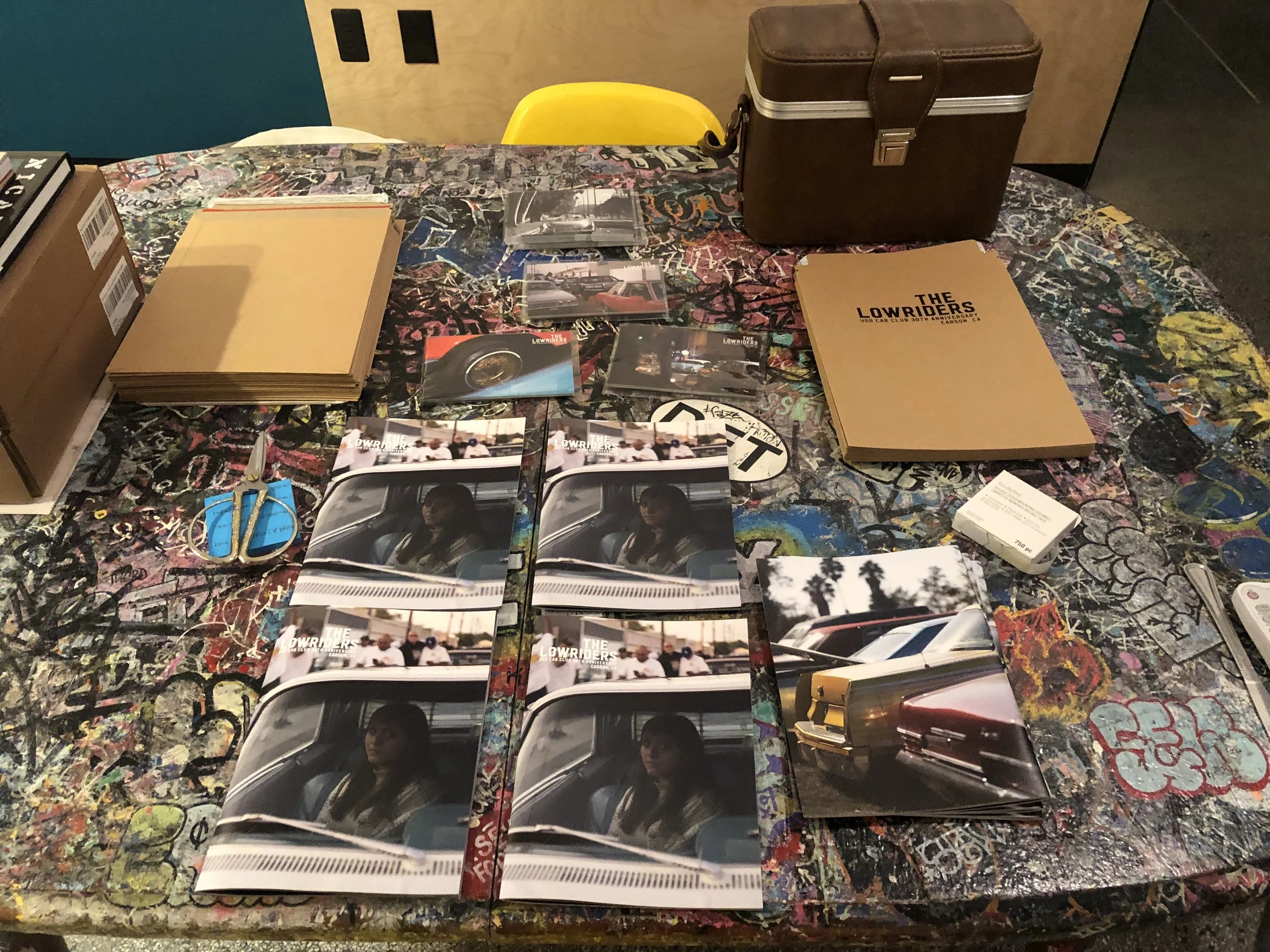
"Printed, signed, packaged, and parceled."

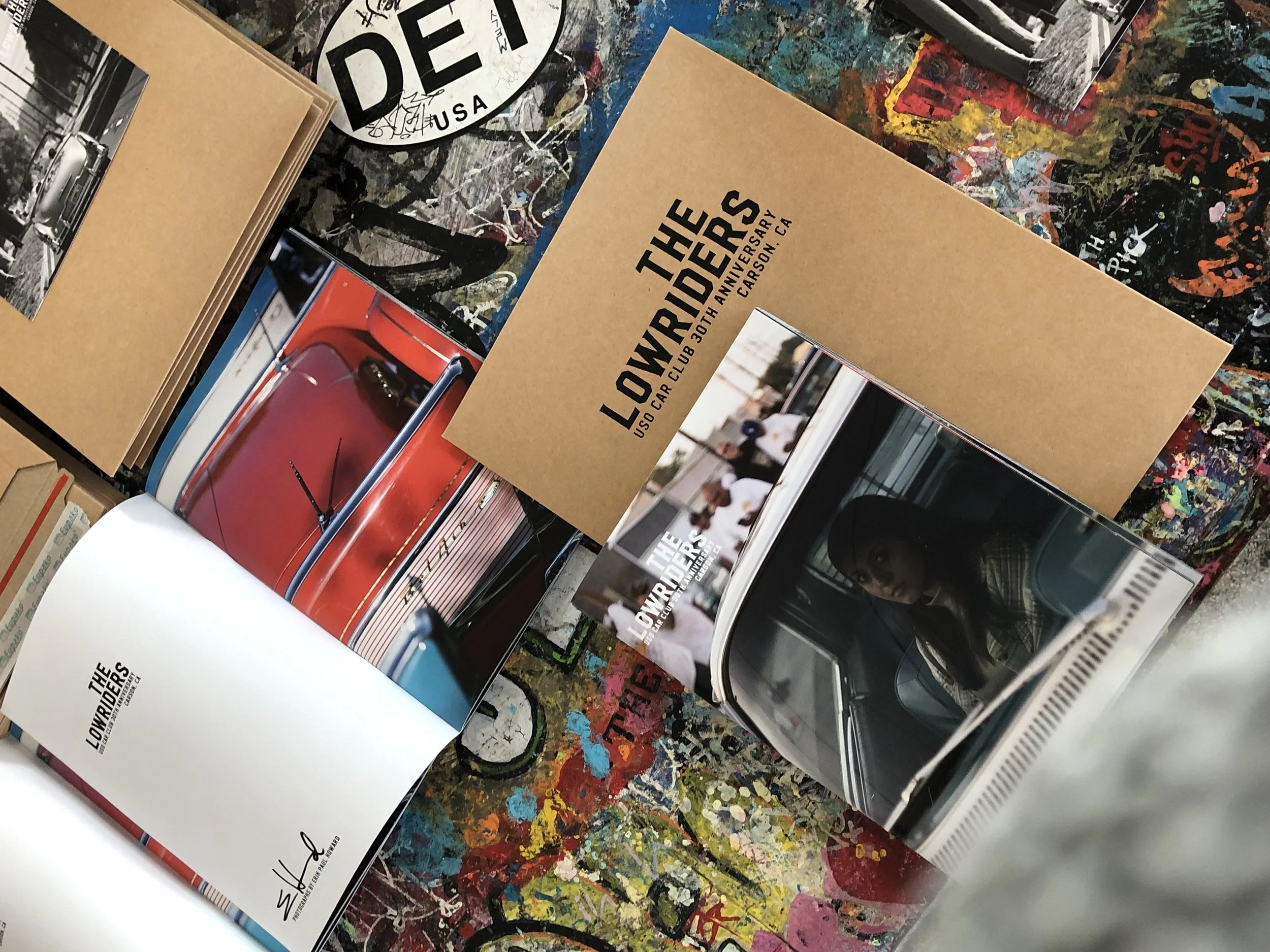
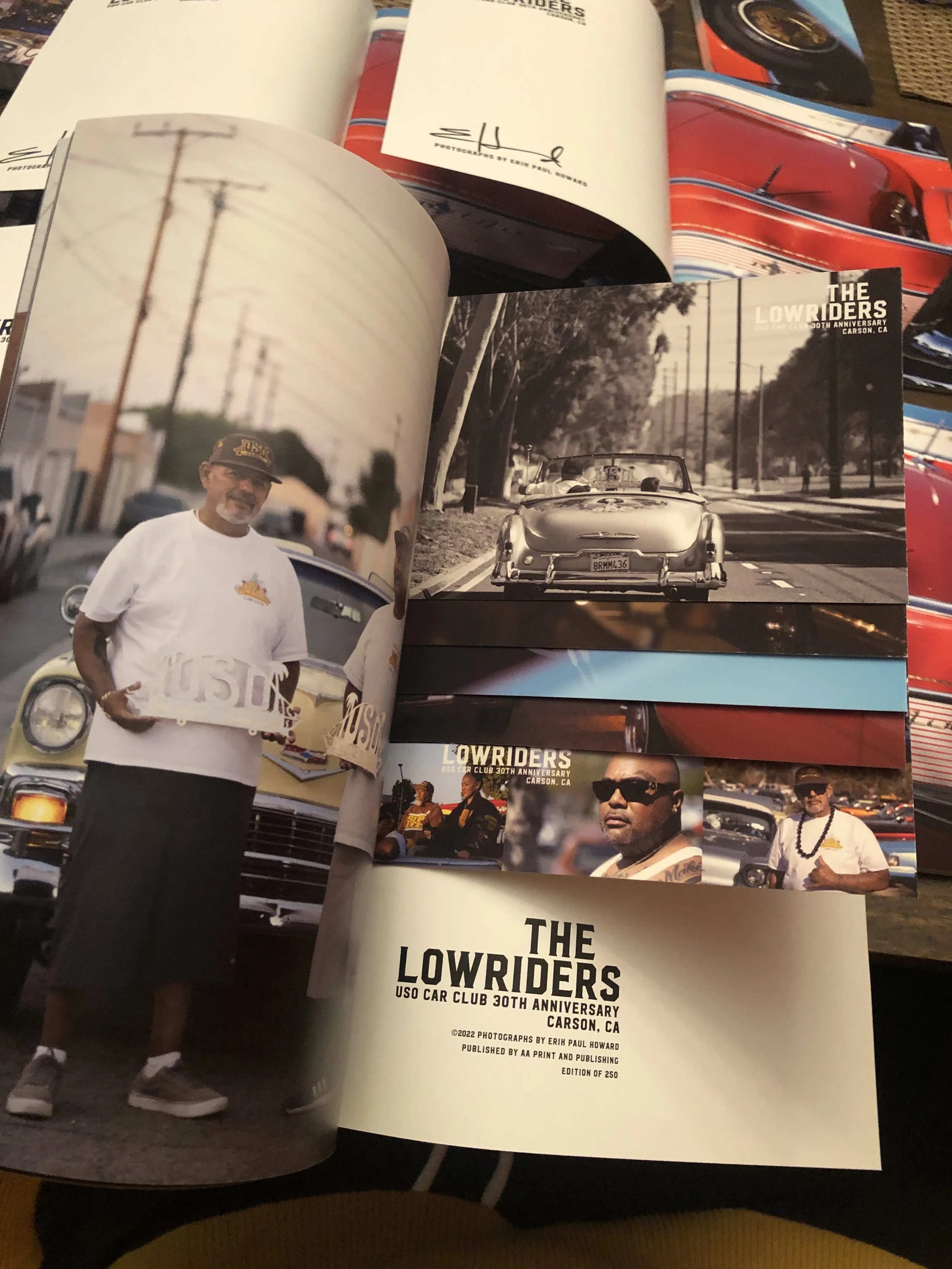
Presales are moving fast—80 copies sold before the zines even left the press. Now, it’s all about getting them into people’s hands.

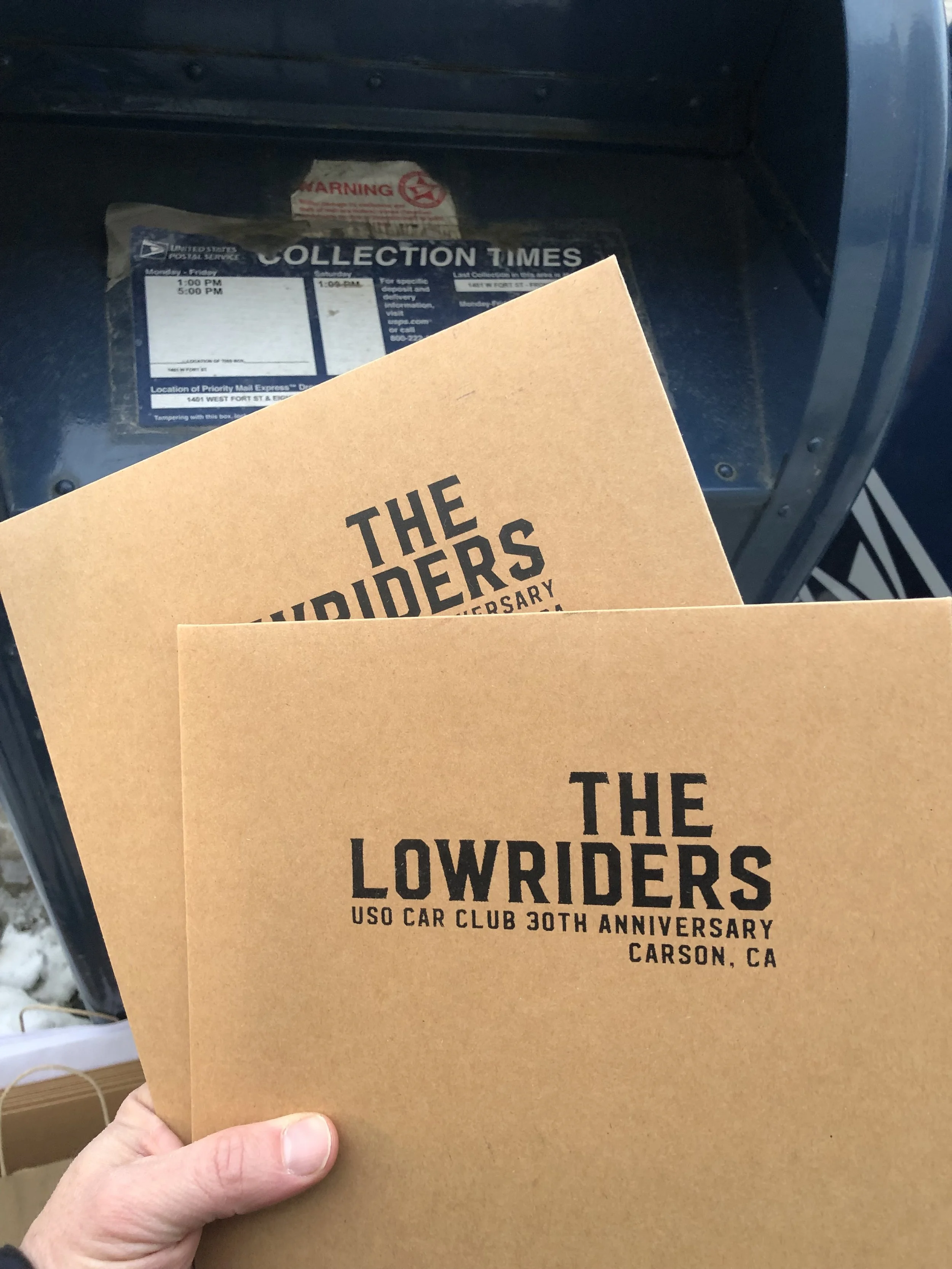
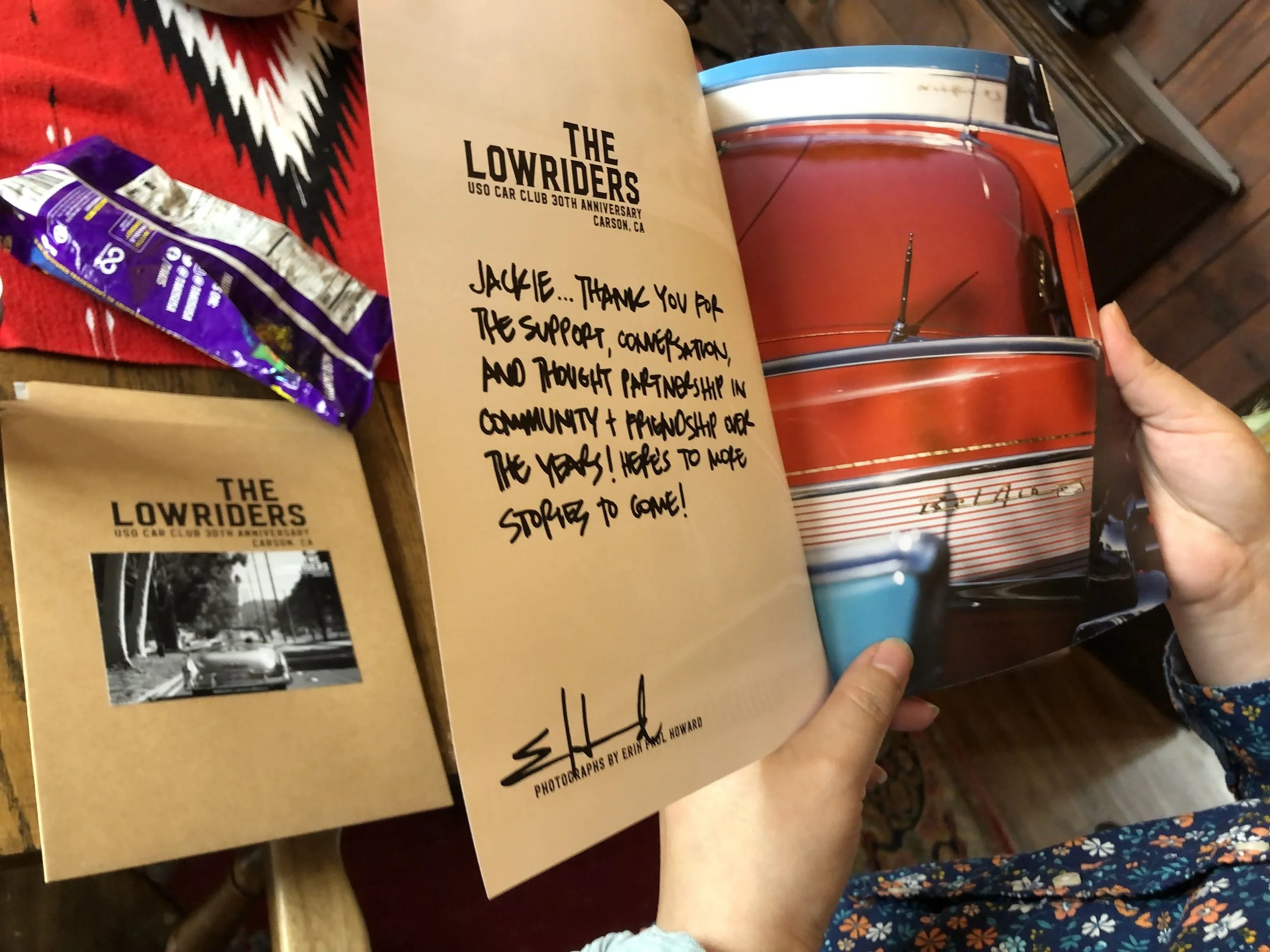
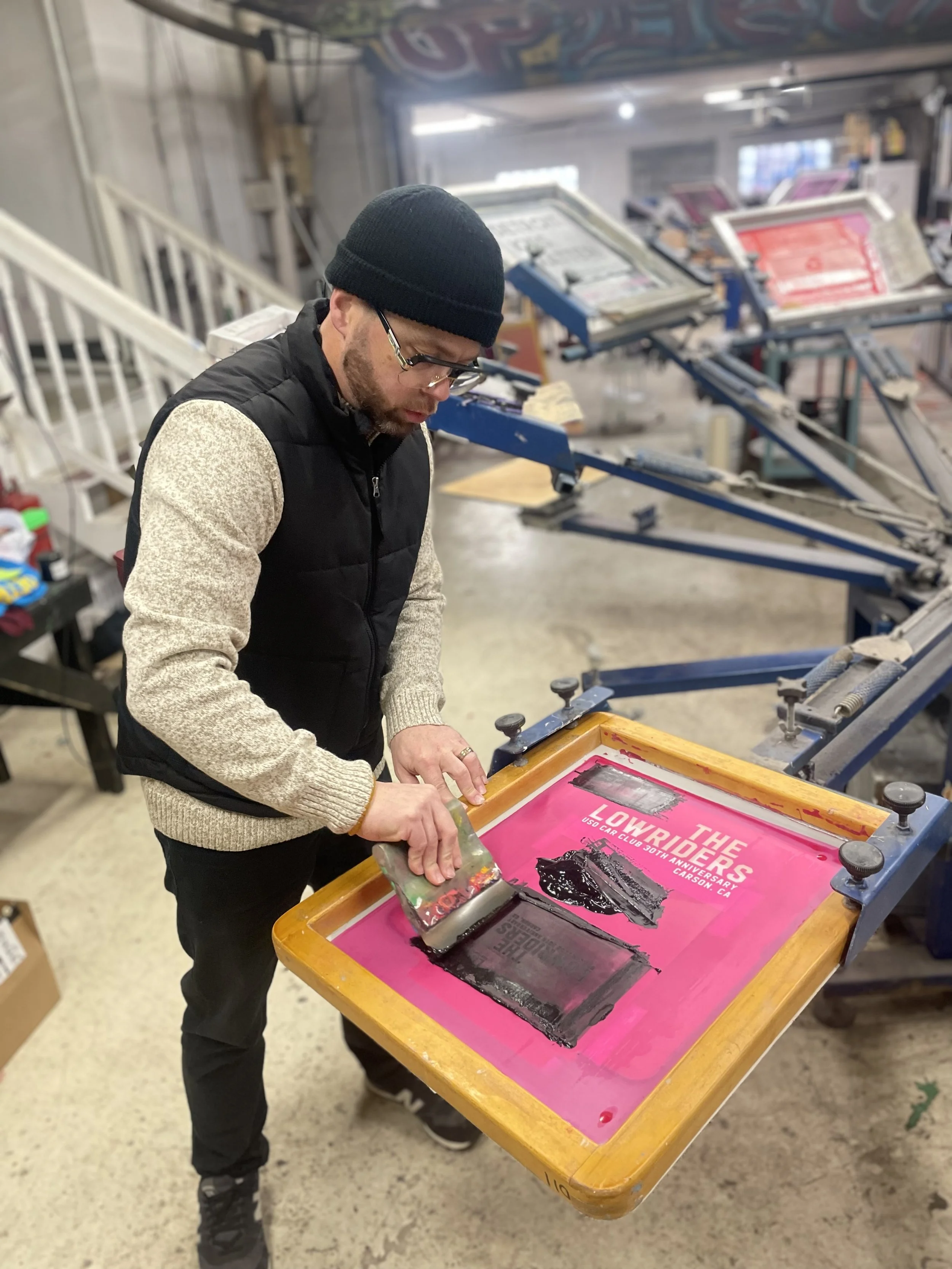
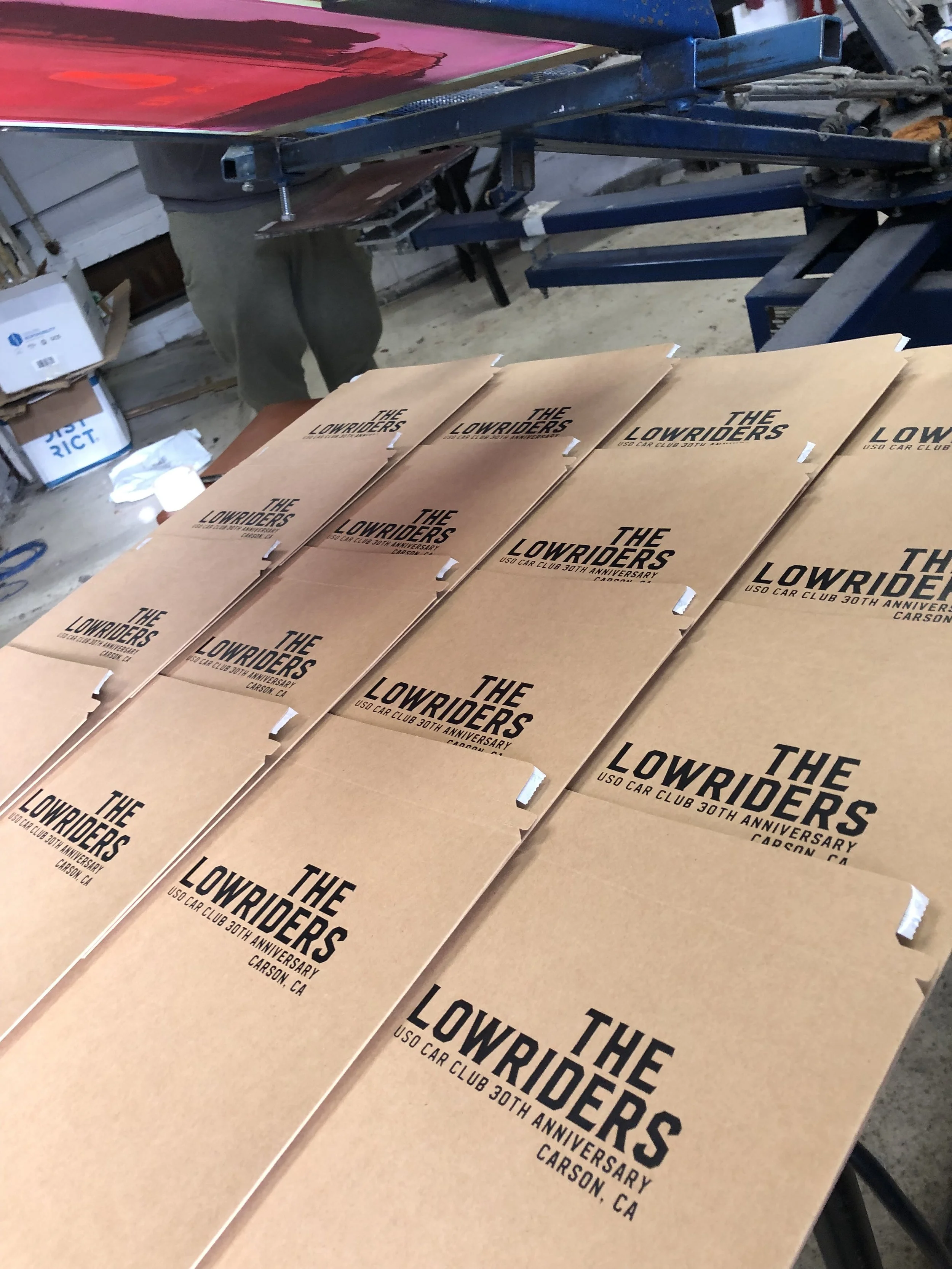
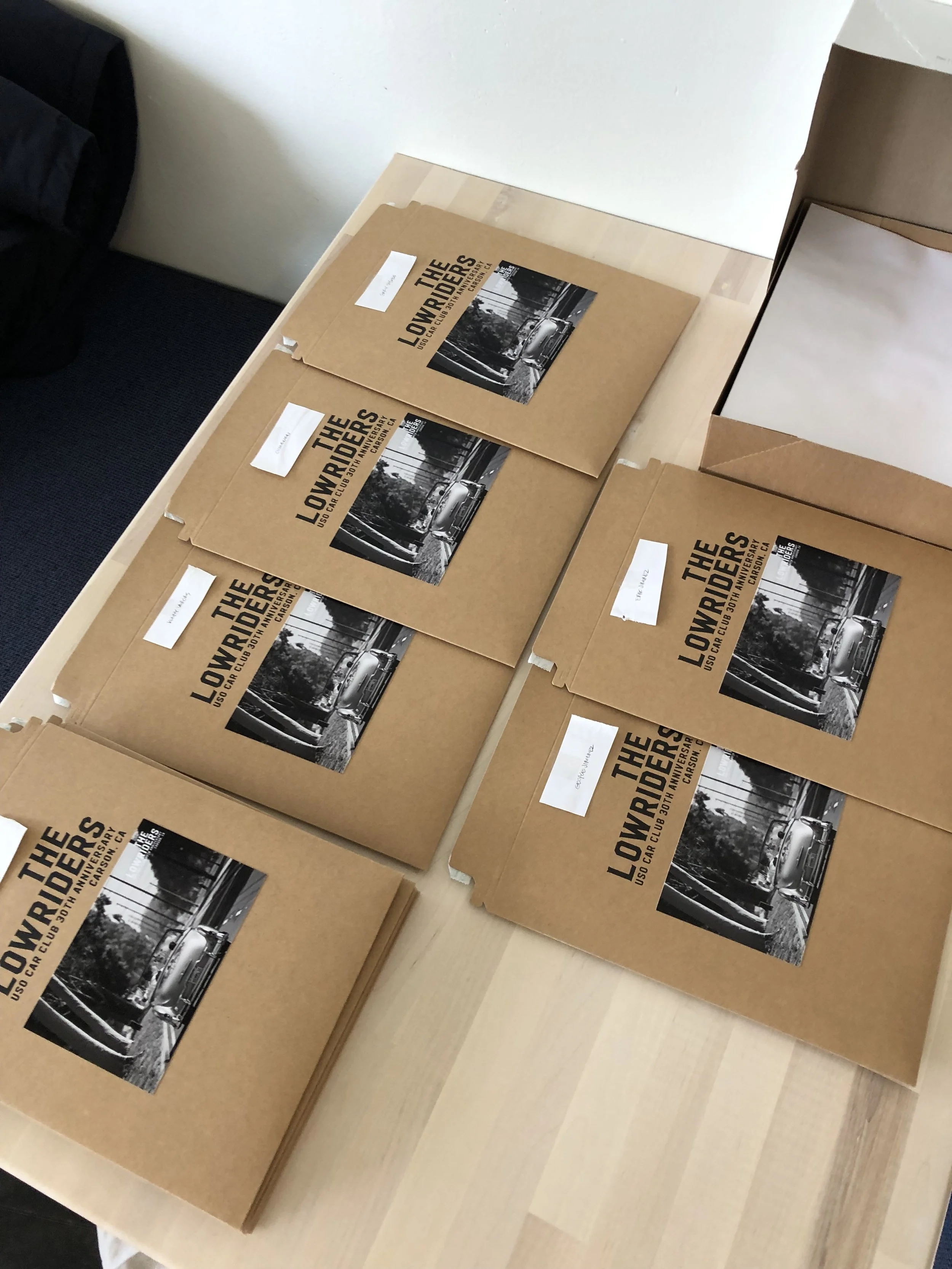
First stop was screen printing envelopes at Stitching Up Detroit. Bryan was kind enough to offer a workshop to get me up to speed. Since then I've been spending time in the shop, printing, and witnessing the packaging come together by hand. Really digging the physicality of it, the time spent, and each part of the process.

Now, the first batch is getting parcelled and hitting the mail these past few days. People are already showing love—posting them on desks, in cars, spread out on beds, holding them up with their nails did and all that. LOL Seeing how the zines and landing, how people are engaging with them is making the work feel complete in a whole new way!


This Beautiful Arrangement, Our Family, Uso Car Club

Some words from our beloved Kita and some of the things that have kept the club strong for 30 years around this 3rd anniversary of his transition. We miss you Uso as we follow in the values and footsteps laid out by those who walked in these ways before us.

These messages' time had come, thank you for being there to receive from a higher frequency than others could tune in to at the time. And thank you for transmitting by modeling it coast to coast. We owe a debt that can only be settled by paying it forward.

Thank you for this beautiful arrangement, our family, Uso Car Club.

...

When you 'Share', please keep the dedication above part of the video.

Erik Paul HowardComment
The Zines Take Shape: Uso Car Club 30th Anniversary

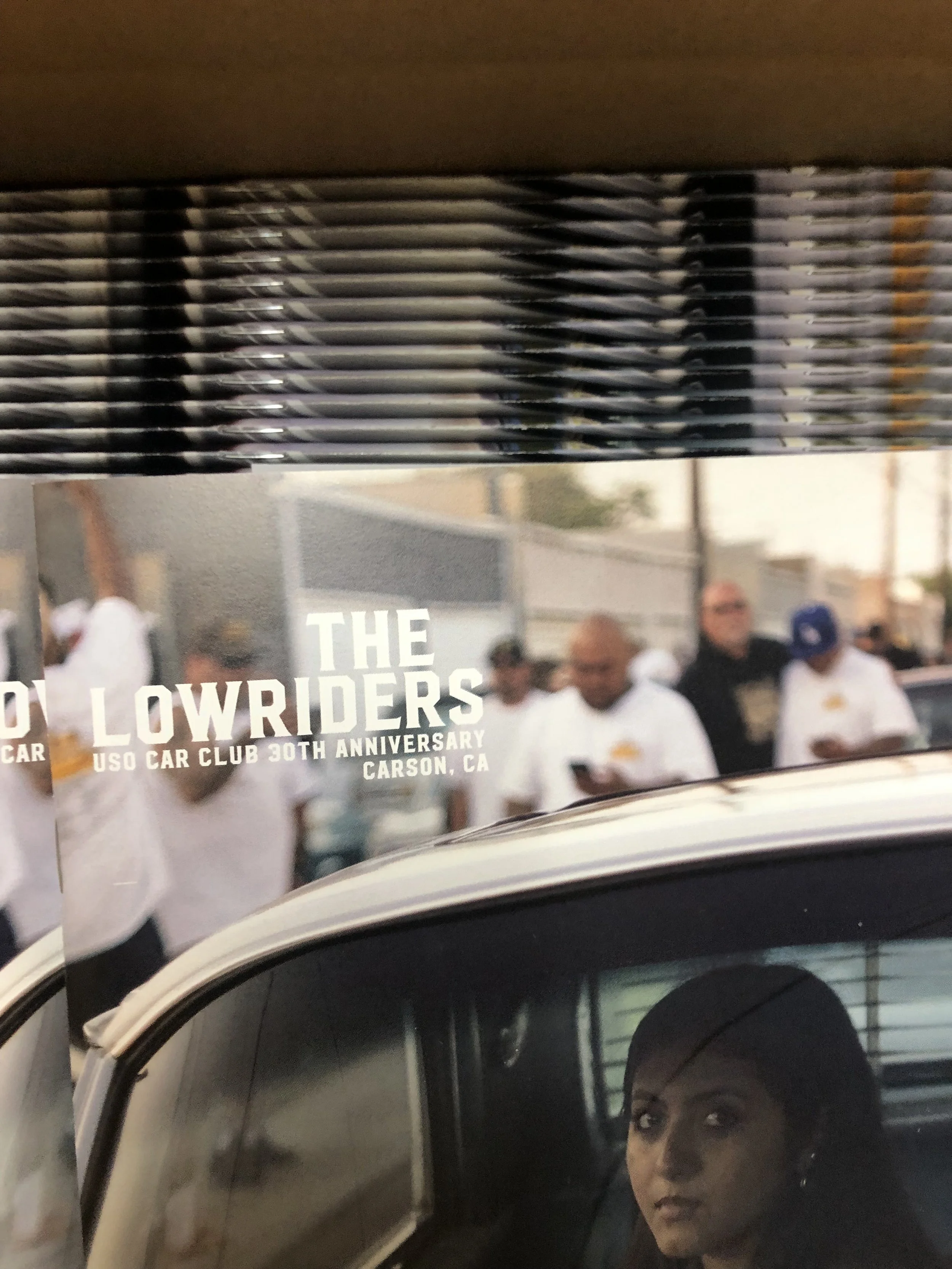
As The Lowriders book is coming together, the first zine in the series is also in motion. 

Back in Detroit, I’ve been able to open up and share the process as an extension of the work with Alan and Bonnie in New York—inviting peers, mentors, and lowriders to experience the sequence physically.

At the studio I can invite critique in way that people are able to move through the space, sit with the images, play around with proofs and even make notes. It’s been a great way to celebrate the work and to inspire and connect in a way that adds layers to the process.

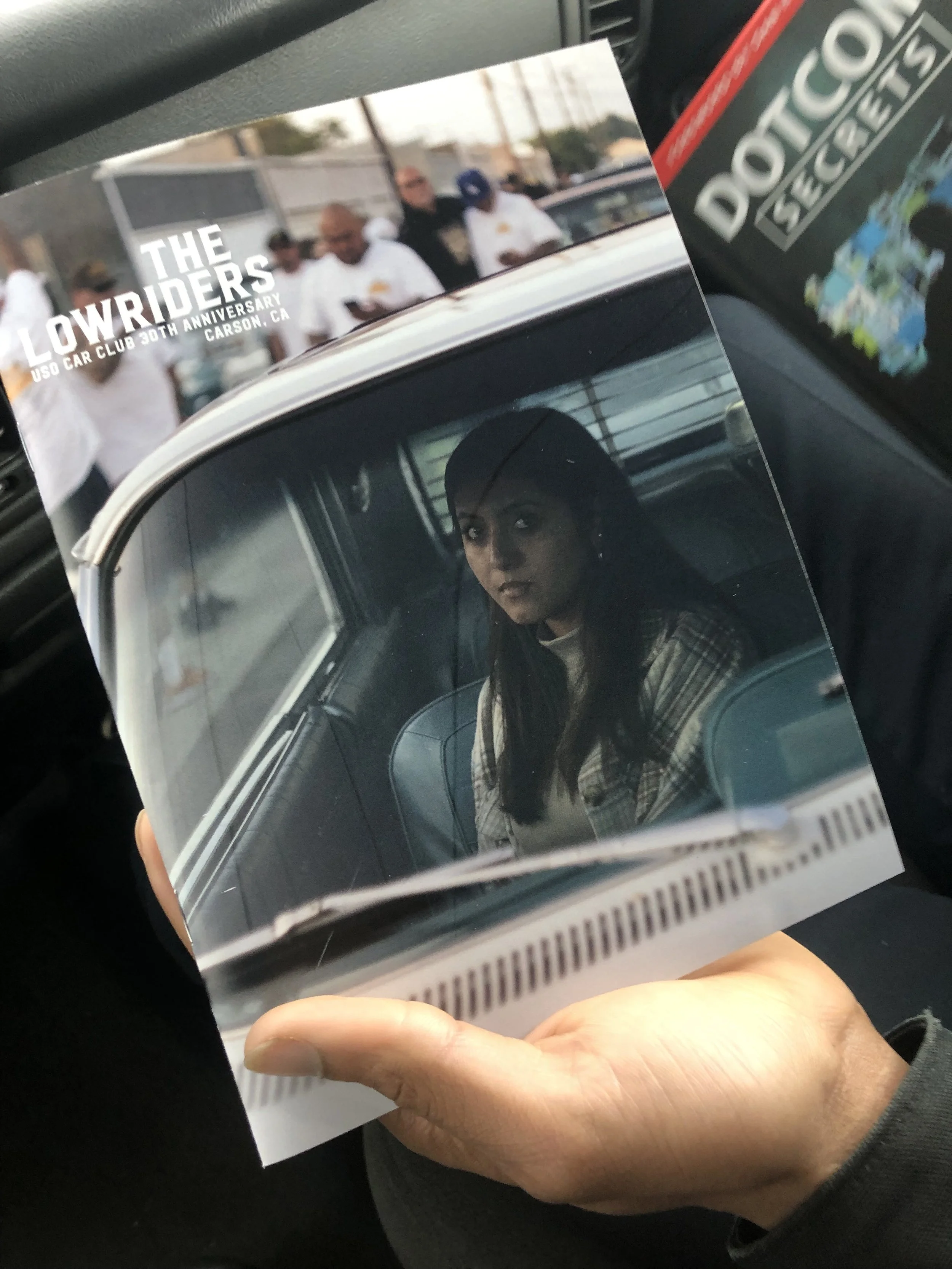
Andre Moore is part of that community of friends/peers. Working with Andre on this has been a process of discovery, and it is an honor to also be working with him on the first zine in the series: The Lowriders: Uso Car Club 30th Anniversary.

His eye for sequencing and storytelling keeps unlocking new ways to see the images—pairings that sharpen meaning, rhythms that bring new energy. Late evenings, long conversations, and  the kind of creative collaboration that pushes the work forward. We’re going back and forth, laying out spreads, testing arrangements, finding the flow.

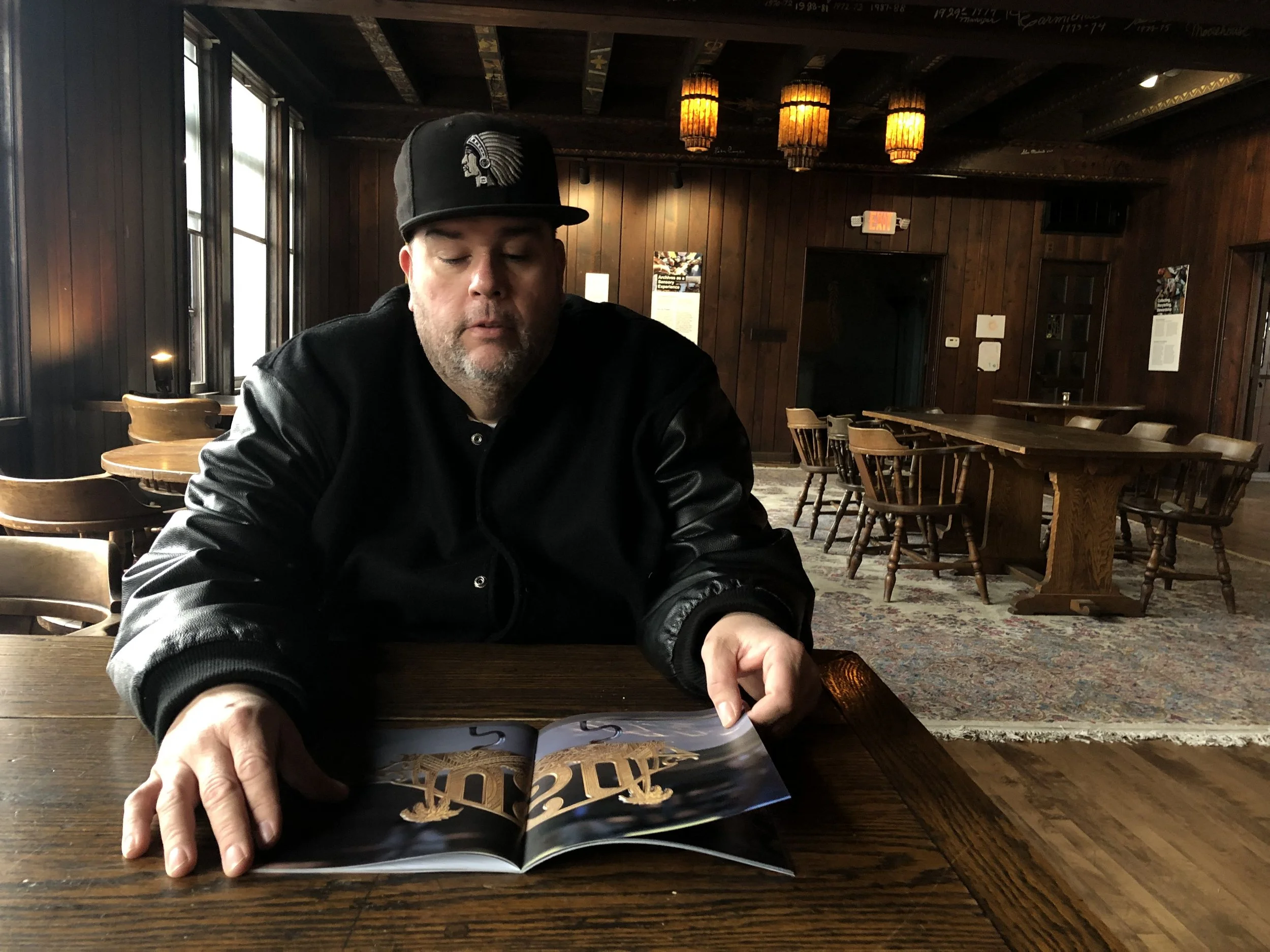
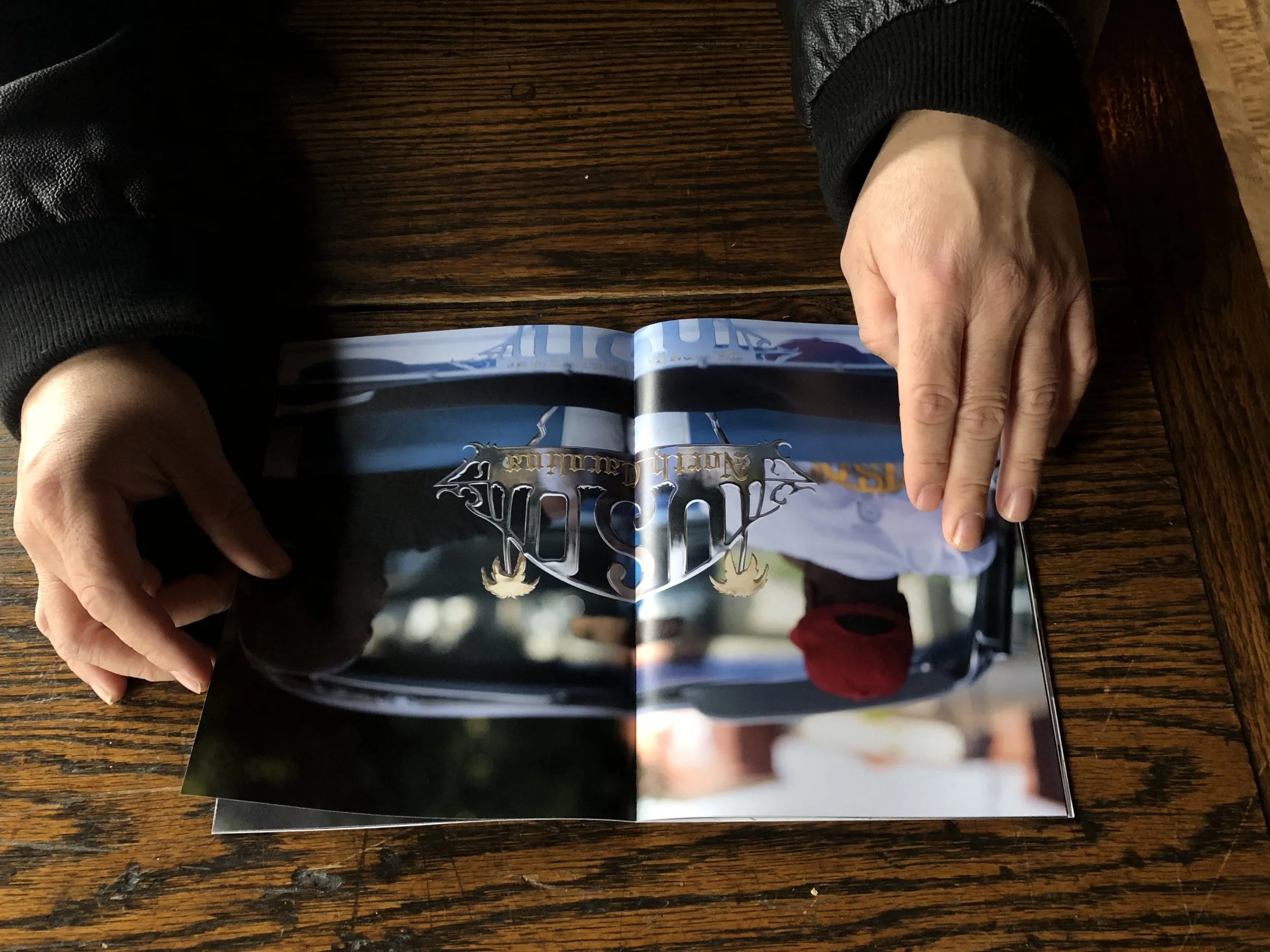
The first proofs are back from the printer, and even in rough form, it’s unreal to hold them in hand. The final copies are just around the corner. Can’t wait to get these into your hands.


Finding the Story: Sequences, Themes, and Inspiration

"Finding the poems between photos. The ones that rhyme. And the ones that don’t."

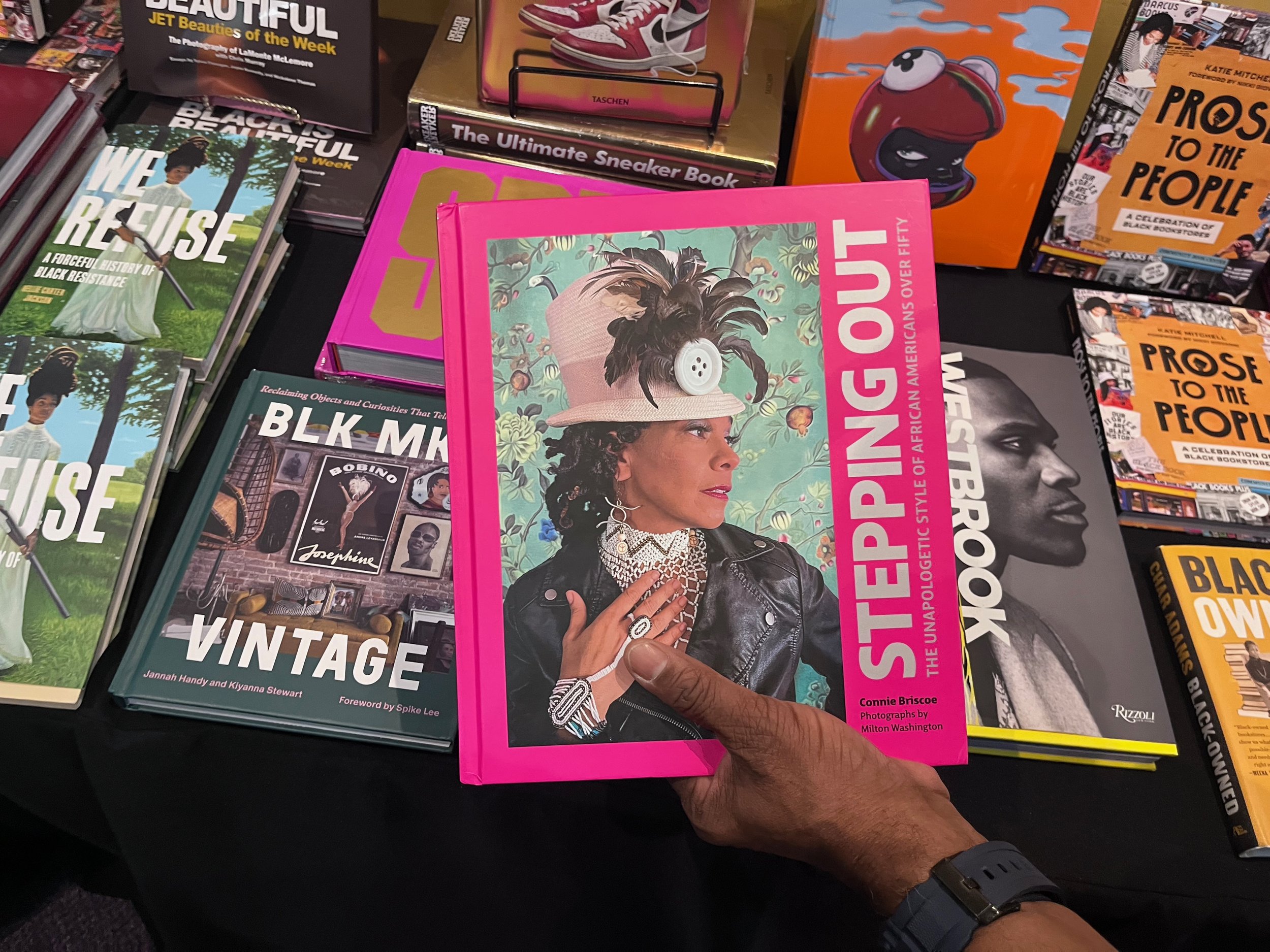
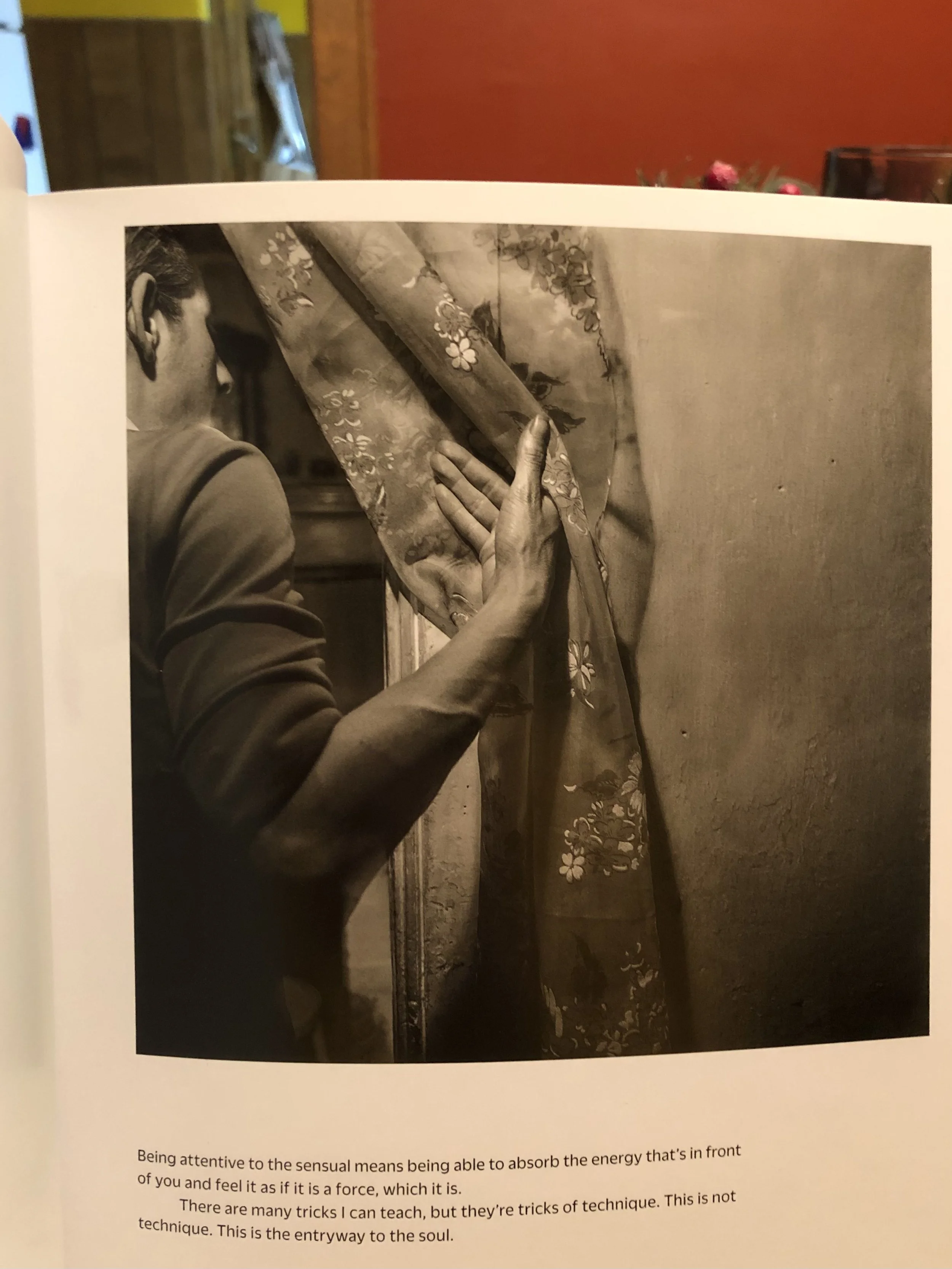
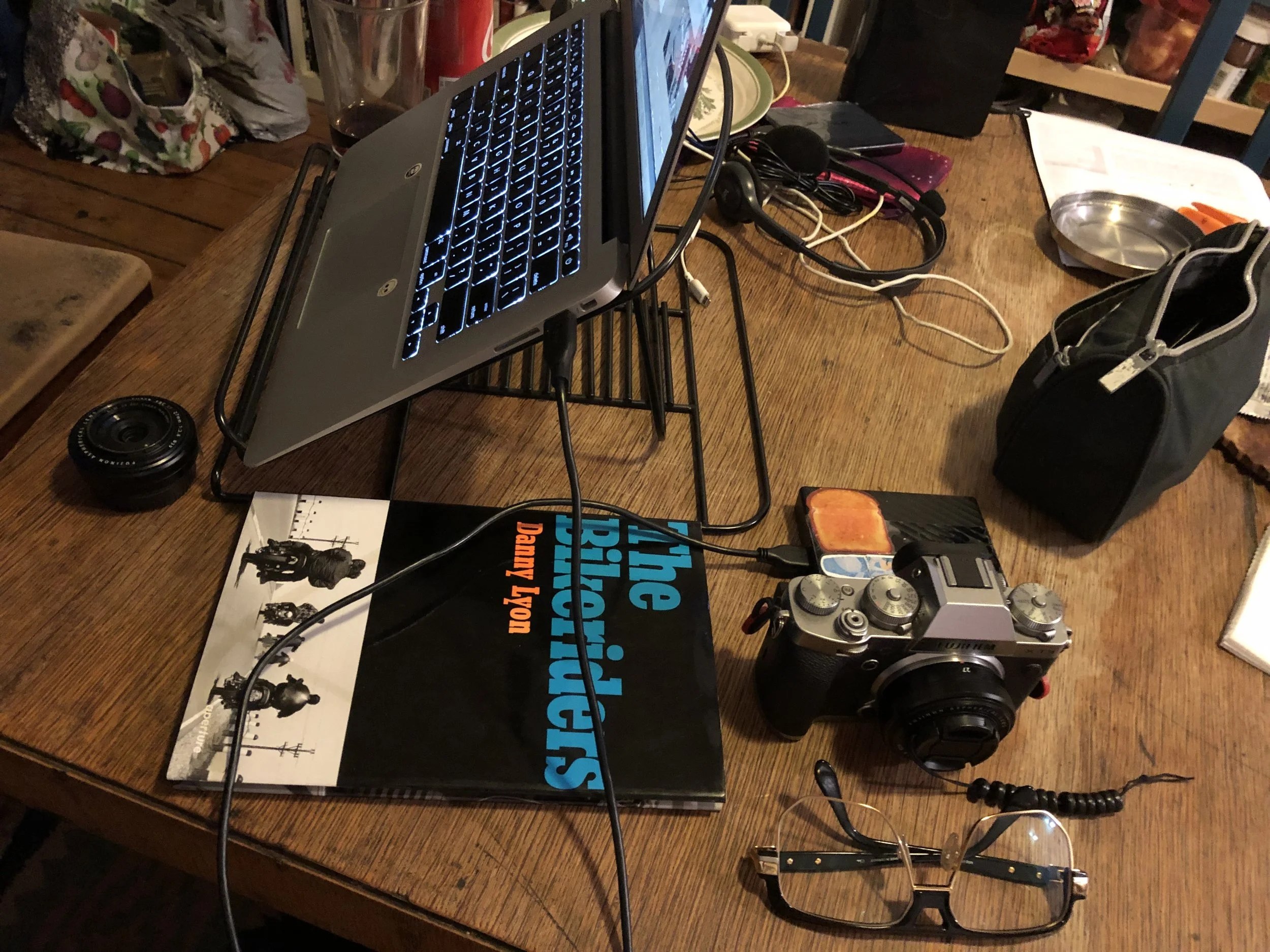
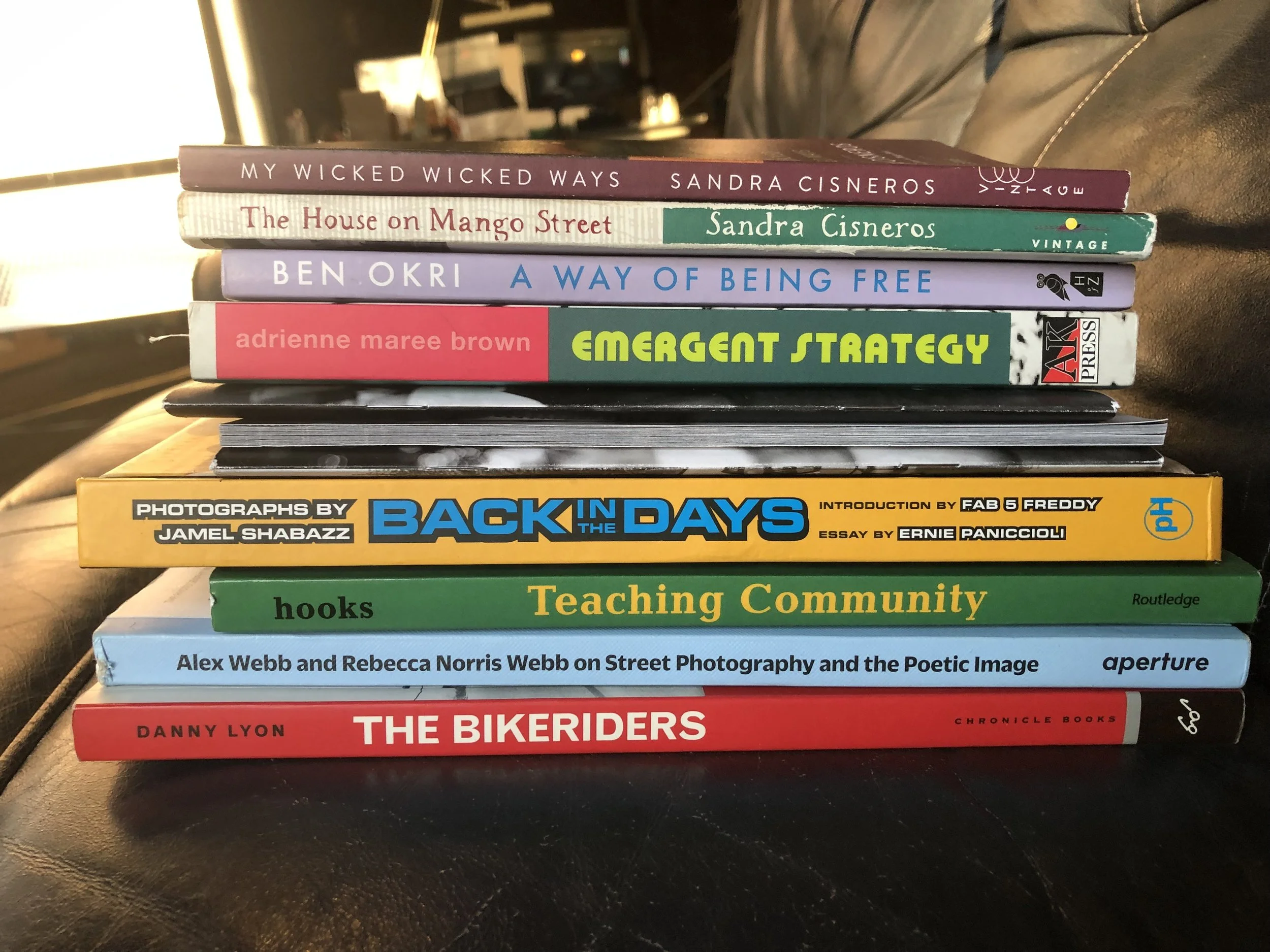
Sequencing is storytelling. Been surrounding myself with photo books, my mentors, journals, and stories that inspire the vision for The Lowriders. I’m learning different ways that images can move together, how they create rhythm, share stories and invite questions.

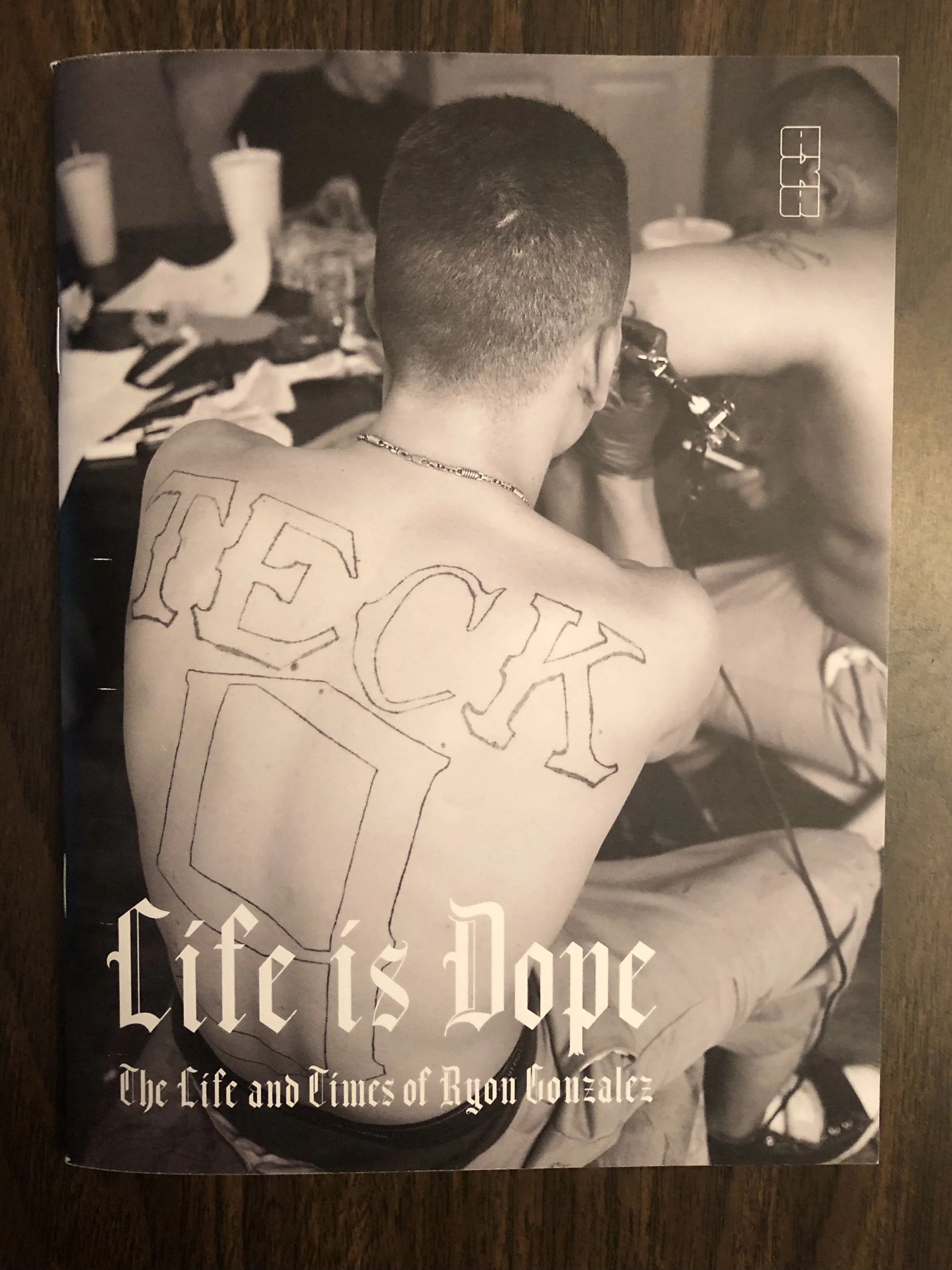
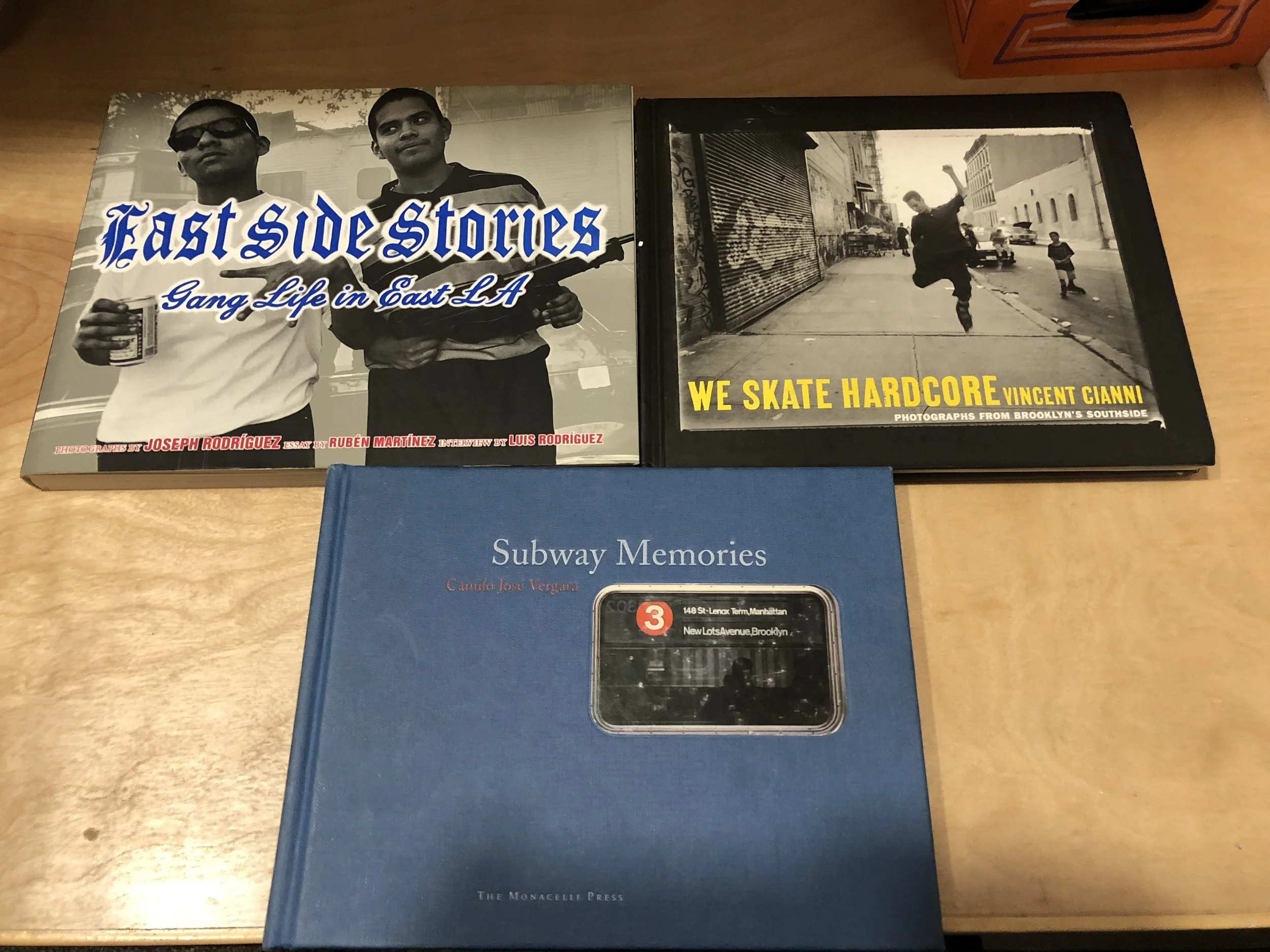
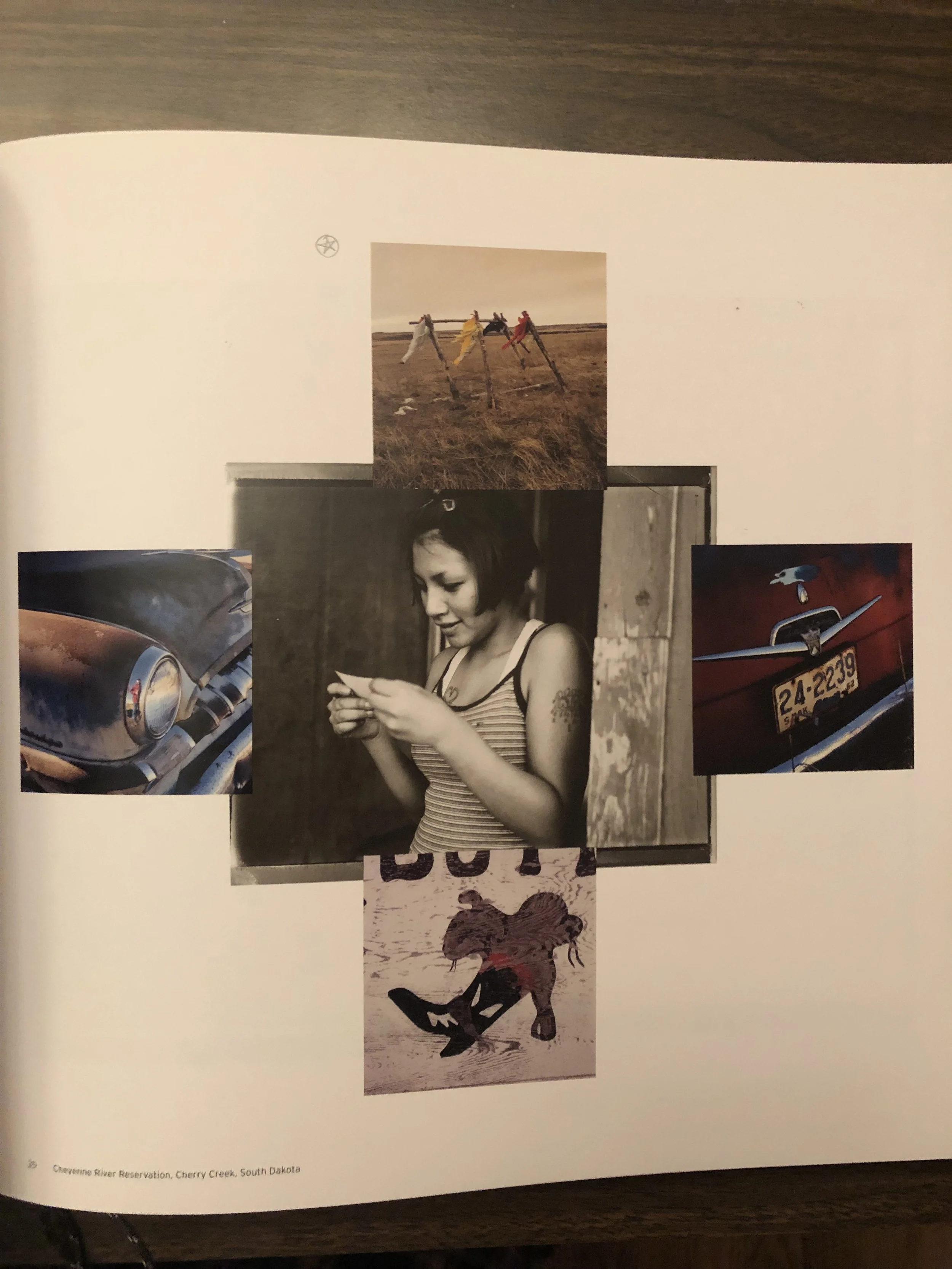
Some Inspirational DNA: Rebeca Norris Webb, Danny Lyon, Ben Okri, Vincent Cianni, Tom Stoye, Sandra Cisneros, Alec Soth, Larry Fink, Mark Klasfeld, Lisette Poole, dream hampton, Ben Brody, and Camilo Jose Vergara. I’m immersed in their words and images and looking for other great storytellers and sequencers as I’m piecing this together.

With Alan, we’re spending hours shifting images around, searching for connections. Some sequences feel obvious—like they’ve always belonged together. Others take time, trial, and a lot of letting go! 

We’re leaving some good ones on the floor, and that’s a big part of what I have to learn how to do more naturally. Thankful for collaborative processes because, embarrassingly enough, I am often not to be trusted editing my own work. 

Early test spreads are making a difference and helping me do that—seeing these images in print, even in rough proofs, offers some frames new meaning and helps others to fall away. There are still gaps to fill, but this is the work.

With a full draft of the sequence complete, the next phase begins: refining the narrative. Soon, I’ll be calling on you all to preview, pick it apart, and build it stronger—together!

Erik Paul HowardComment
LA Opera Digital Shorts: 'We Hold These Truths'

If you missed the live premiere, don’t worry—We Hold These Truths is available to stream on LA Opera Digital Shorts. Watch it now! It’s truly a powerful intersection of poetry, music, and visuals.

I had the honor of serving as DP alongside an extraordinary creative team. While it is always exciting to see a project come to life, there was something particularly special about watching the premiere live knowing that so many were experiencing it’s magic it at the same time.

The opportunity, and the experience was other-worldly and I’m privileged to have been able to contribute. Thank you!

From LA Opera, Digital Shorts:

We Hold These Truths  is a musical and cinematic triptych featuring composer Tamar-kali's setting of three iconic poems from the turn of the 20th century through the Harlem Renaissance: Paul Laurence Dunbar's "We Wear the Mask," Langston Hughes's "I, Too" and Claude McKay's "If We Must Die."

A striking new film by dream hampton (director of the Peabody-winning and Emmy-nominated film Surviving R. Kelly),   We Hold These Truths   stands as  both an affirmation of wonder and joy, as well as a testimony to the vigil kept for the full realization of liberty.

SOURCE: https://www.laopera.org/discover-la-opera/explore/la-opera-on-now/on-now-we-hold-these-truths

#LAOperaOnNow #WeHoldTheseTruths #Cinematography #DigitalShorts

First Lady of Uso - Makerita Lealao

In loving memory of Ma. First Lady of Uso. We miss you.

"It's always there. You know and your family comes first. You know, some people they, they always tell me and my husband you know “I'm taking a leave, from the club. Just to take care of my family.” And what I say is, "Take care of your family first." The car club is still there, they're not going to go nowhere. Take care of your family and then if you're ready to come back to the club, we're still there."

-Makerita Lealao

Erik Paul HowardComment
Rest In Peace - Ryon "Tek" Gonzalez

Tek shares some words on the importance of the original HHEETT Wall in 2000 on Ste Anne and Vernor as a veteran artist painting on the HHEETT Wall 2018.

There’s no words yet. There’s just you, then, and there’s today.

Erik Paul HowardComment
Art On the Block - Sheefy McFly, Vernor and Junction

In the heart of Southwest Detroit, Sheefy McFly transforms a wall at Vernor and Junction into a vibrant mural on Vernor and Junction as part of Art On The Block, September 18, 2020.

The video is a straightforward documentation of creative process—early morning preparations, the quiet dedication of painting, and the joyful community celebration that follows. With food, music, and conversation, the unveiling is a moment of cultural expression and connection.

New Story on WDET: The Blessing of The Semis (Misa de Traileros)

I’m excited to share that my latest story, The Blessing of the Semis (Misa de Traileros), aired this week on WDET 101.9 FM, Detroit’s NPR affiliate! The piece captures the tradition of faith, labor, and community among semi-truck drivers in Southwest Detroit, centering on the annual blessing ceremony that took place this year at Our Lady Queen of Angels on Martin near Michigan Avenue.

For the story I had the privilege of interviewing parishioners, owner-operators, and Father Beto—each offering their reflections on what this tradition means to them. Their voices, along with the sounds of the service, the rumble of idling semis, and the gathering of families, bring this long-standing ritual to life. Check out the piece below… you can listen to the audio, see the images, and read the written piece shared on their website and socials!

Listen to the full story on WDET: https://wdet.org/2019/08/14/this-community-hosts-an-annual-catholic-blessing-for-semi-truck-drivers/

Misa de Traileros at Ste Anne's

Ever increasing truck traffic has long prompted local concerns about legislation, congestion, and pollution—pitting semi trucks and southwest Detroit neighborhoods as rivals in community conversations for decades.

However a generation of Southwest Detroiters has tapped the neighborhood’s entrepreneurial spirit to support themselves and their families from behind the wheel. 

Jesus stands inside his semi truck while sharing with us about how the Misa de Traileros came about. 

Jesus stands inside his semi truck while sharing with us about how the Misa de Traileros came about. 

As semi truck owner-operators and neighbors there is a culture of support and cooperation among them. Over the years they have created a network of support and cooperation between them that offers mentoring, resources, and community often rooted in the traditions and culture of the community. 

One expression of this community is the annual Misa de Traileros.