Posts tagged Marshall M Fredericks Sculpture Museum
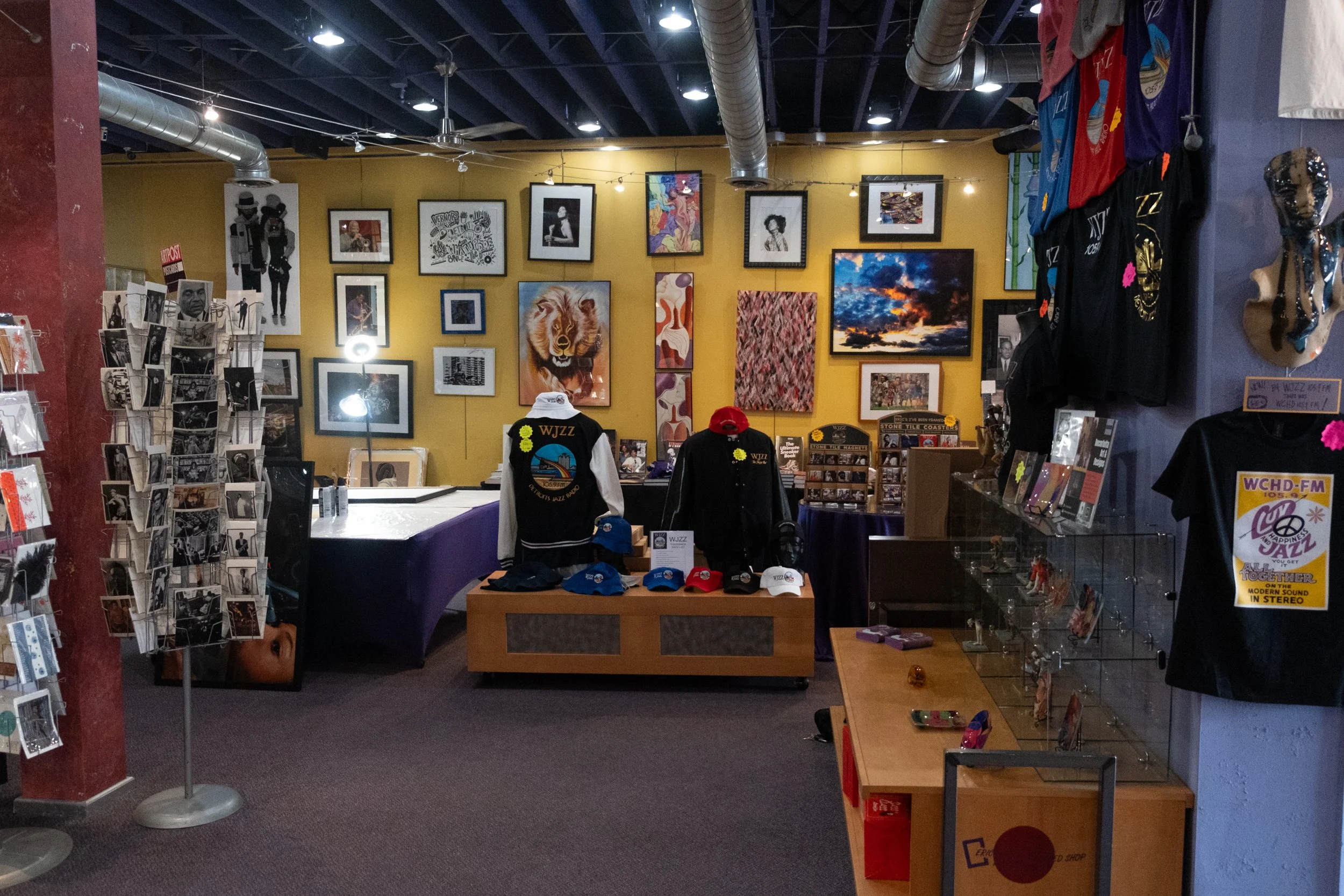
I've Been Framed

“One of the things I really appreciate about having support for a project like this is getting to spend some of that support with people and places I already value.”

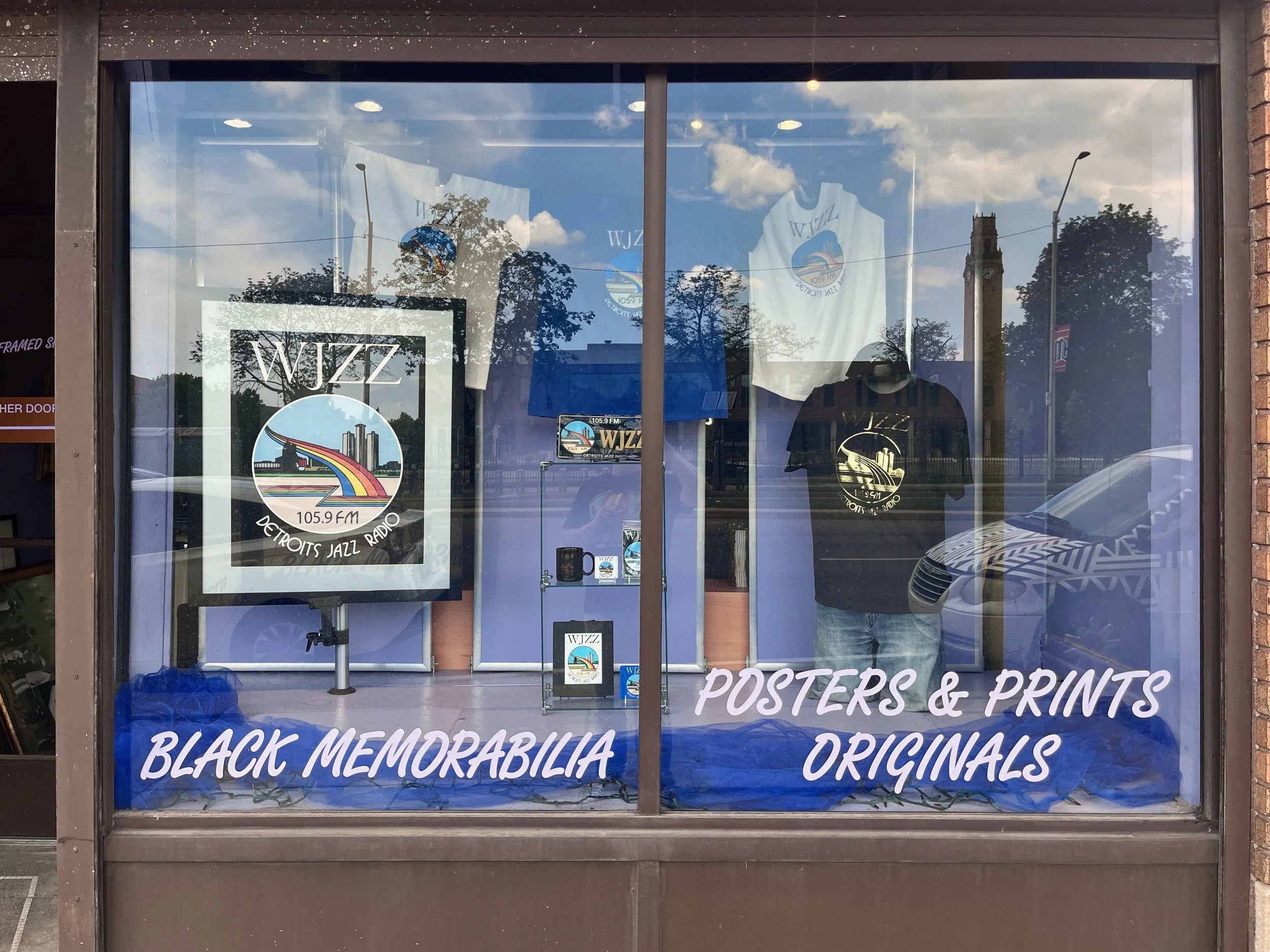
I’ve known about Eric’s I’ve Been Framed Shop for 16 or 17 years.
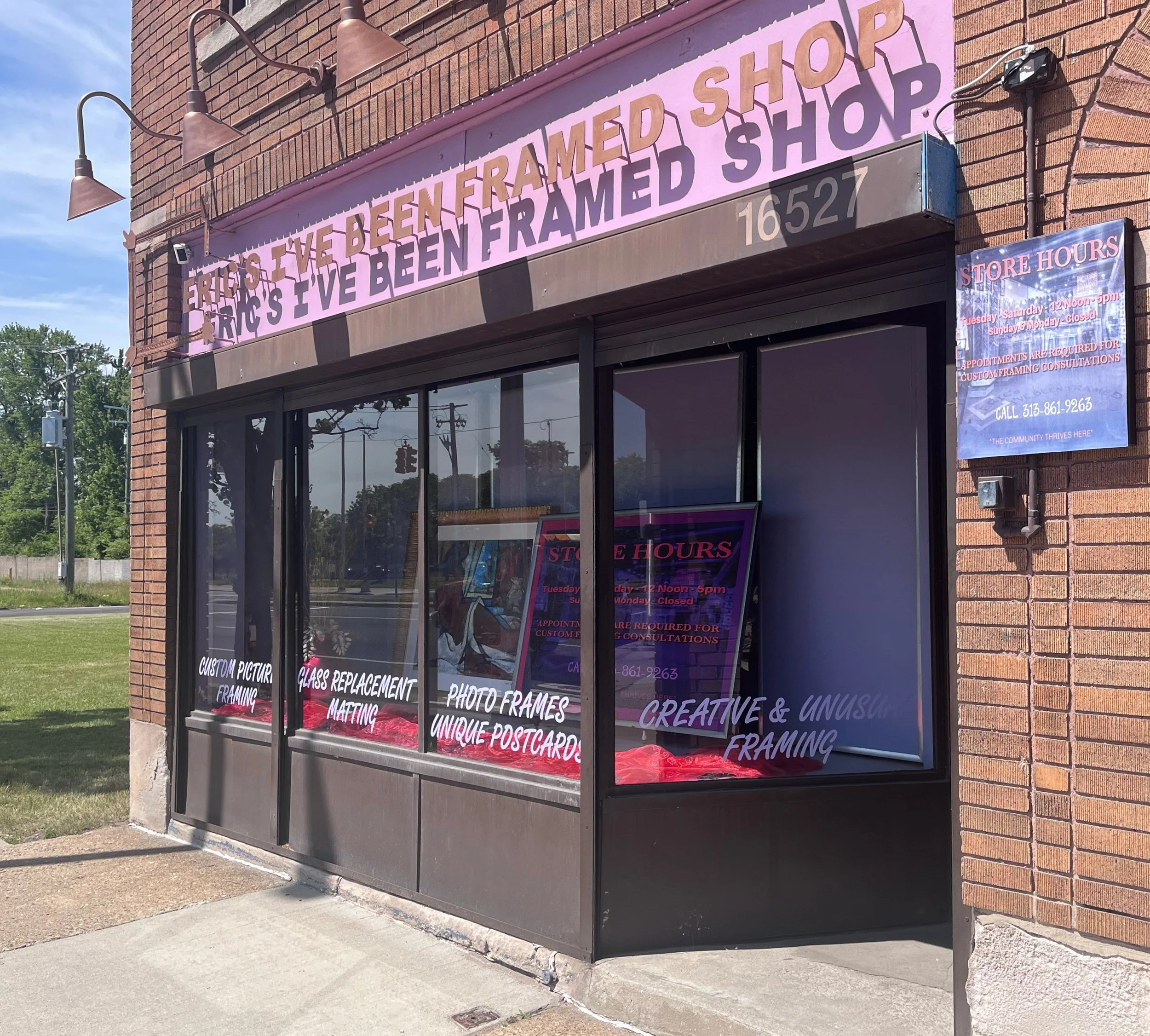
I first noticed it while I was in the Community Development program at University of Detroit Mercy, partly because we share a name. LOL. Over the years I’ve stopped in, bought a few things, and sent plenty of friends and artists there for gifts or framing.

So it felt especially good to finally have a project large enough to bring myself.

By the time I called Eric, I was coming in a little late. There were a lot of moving parts with this exhibition and it took time to get printing, sizes, quantities, and logistics settled. He took my call, listened carefully to what I needed, and gave me a clear sense of what he could realistically do, how long it would take, and what it would cost.
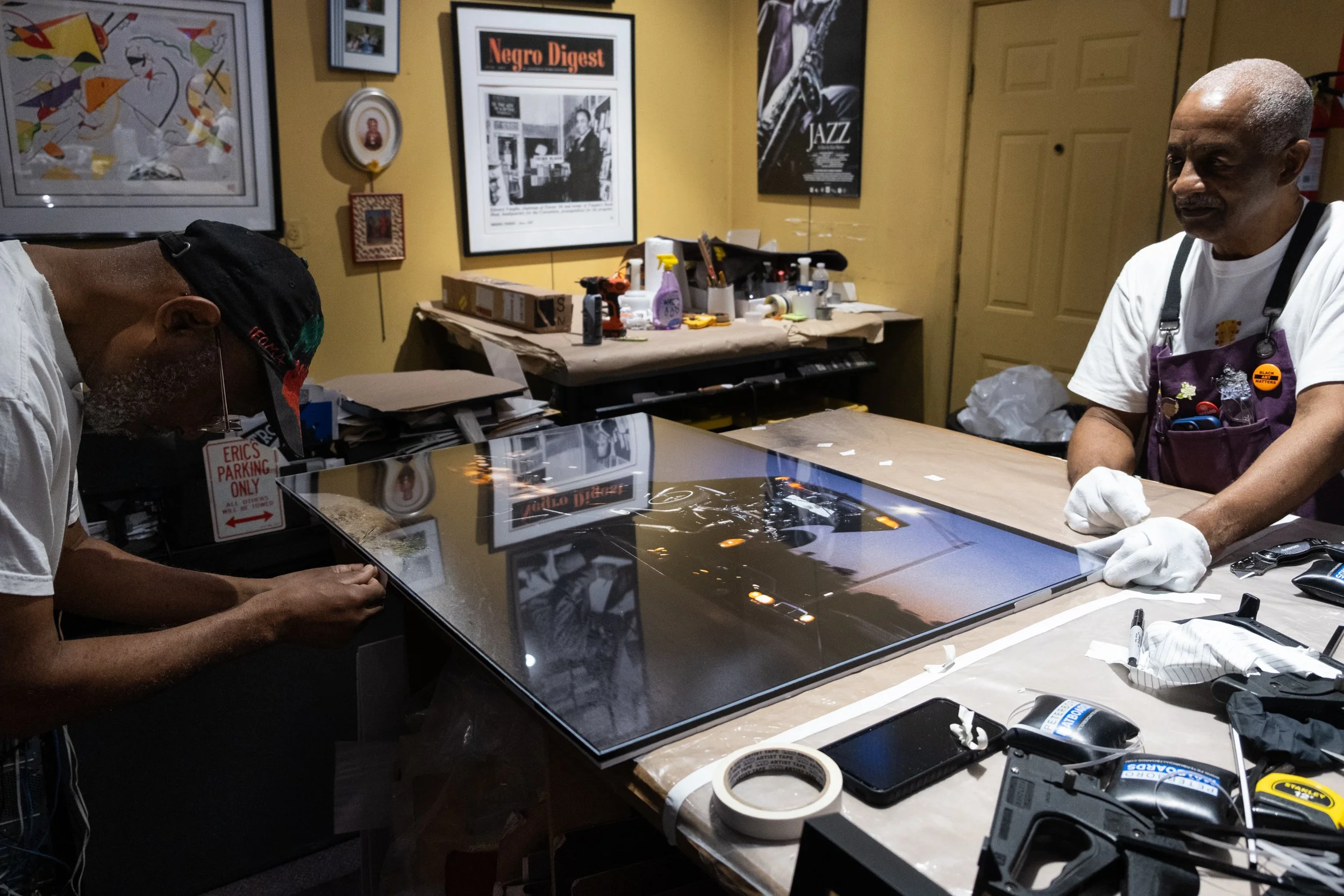
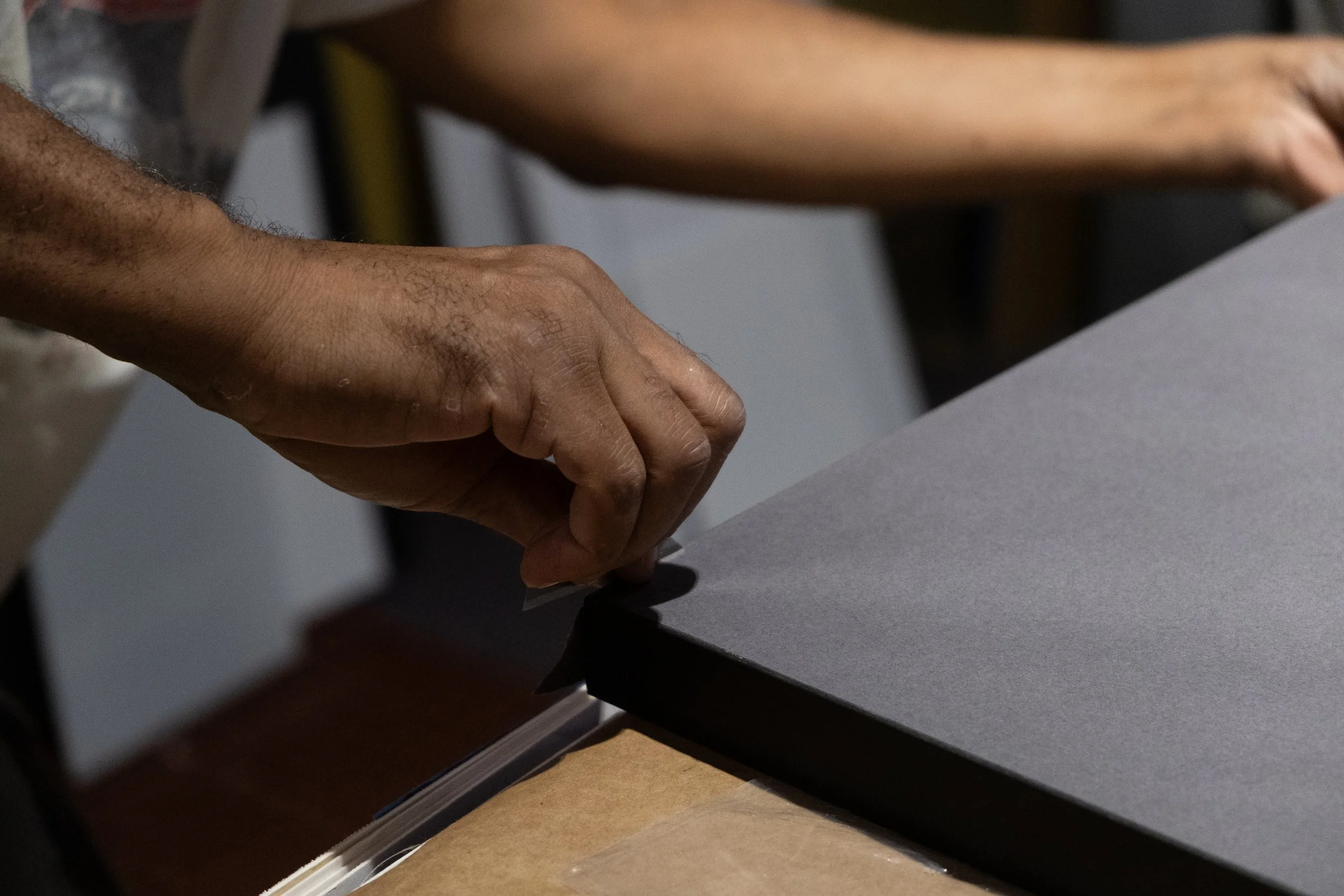
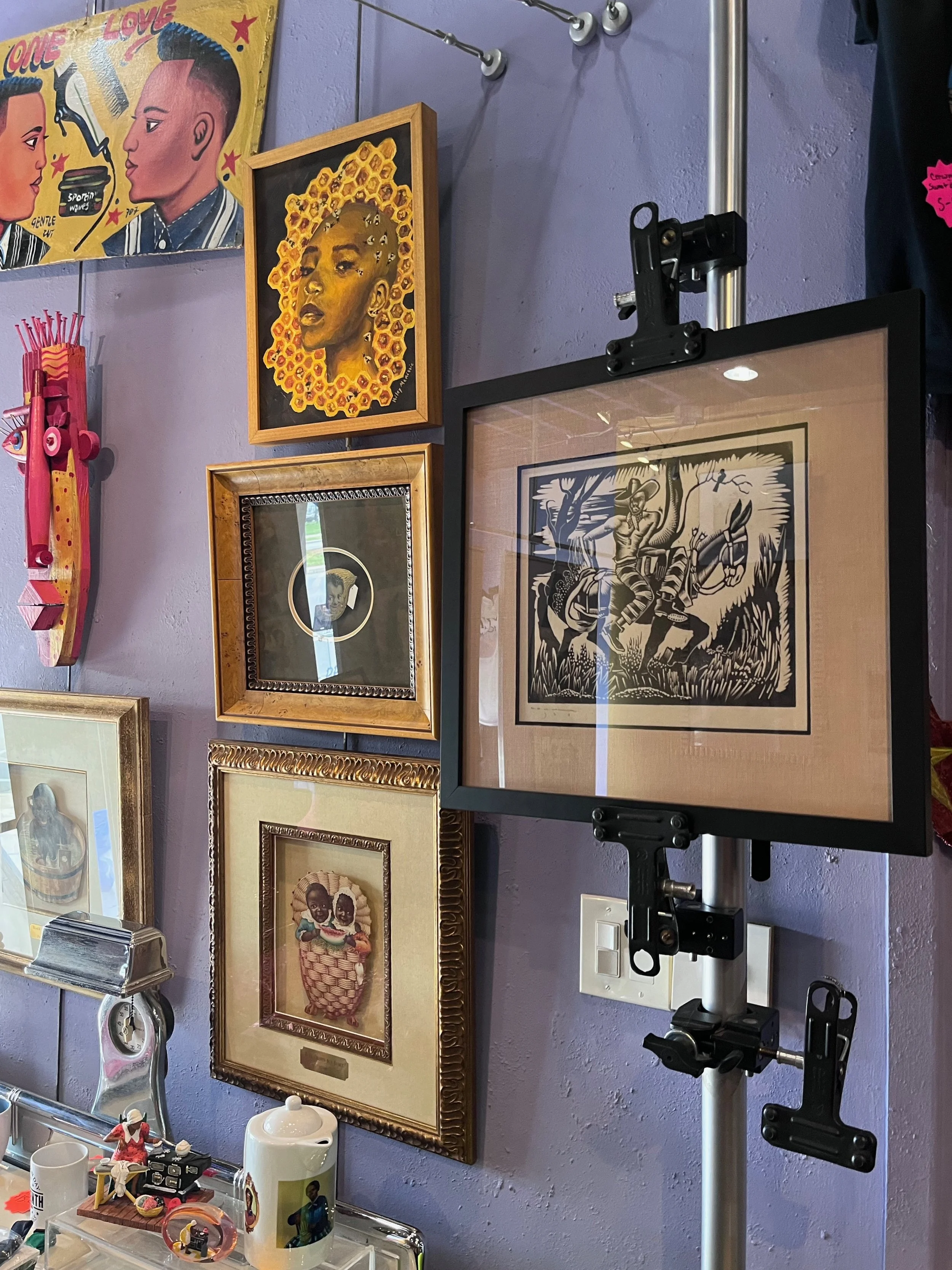
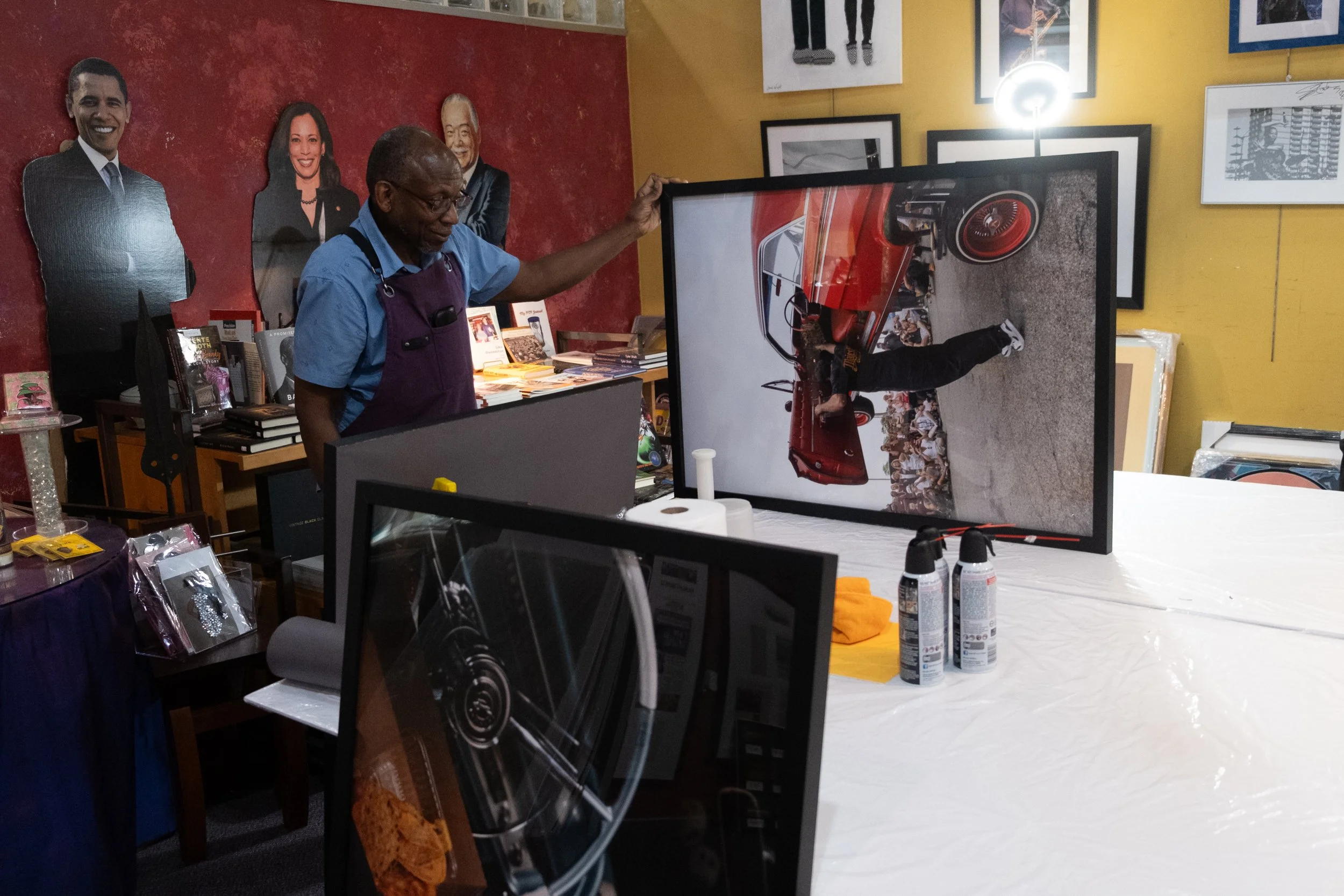
I dropped off the 24x36 black and white prints first, then came back a week later with the color photographs. On that second visit I got my first look at some of the frames while they were being finished.

There are a number of frame shops around Detroit that could have handled this work well. But one of the things I really appreciate about having support for a project like this is getting to spend some of that support with people and places I already value.
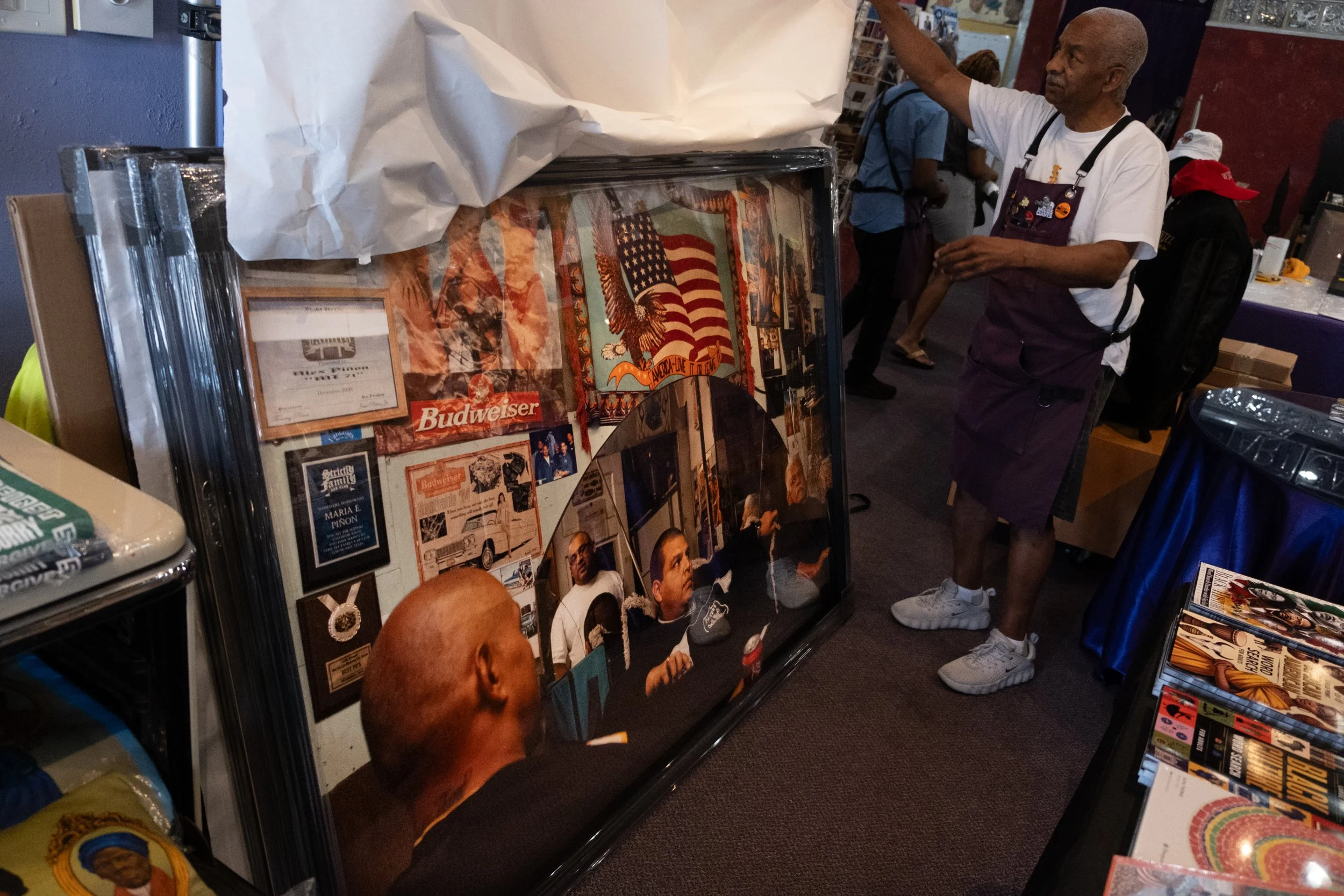
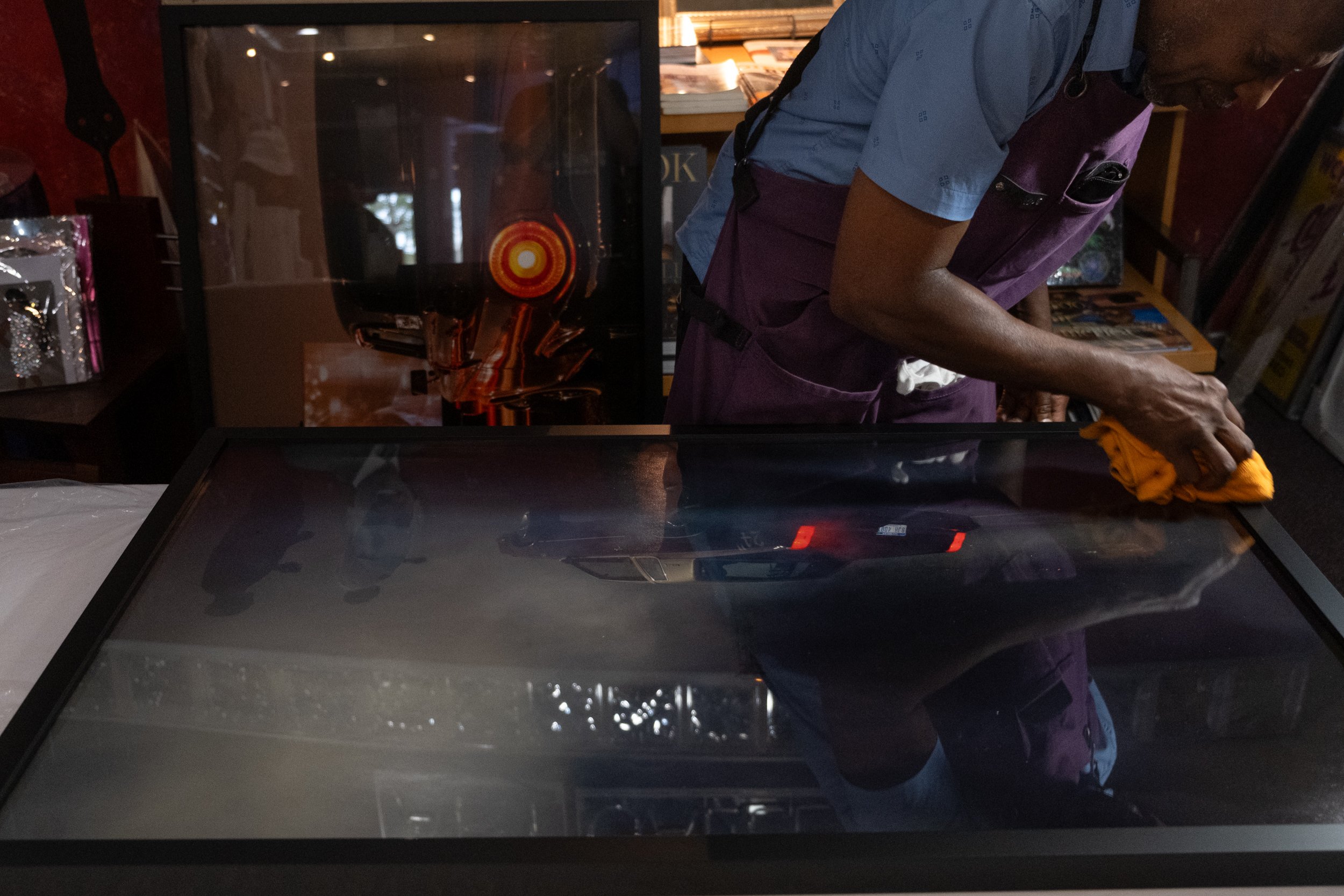
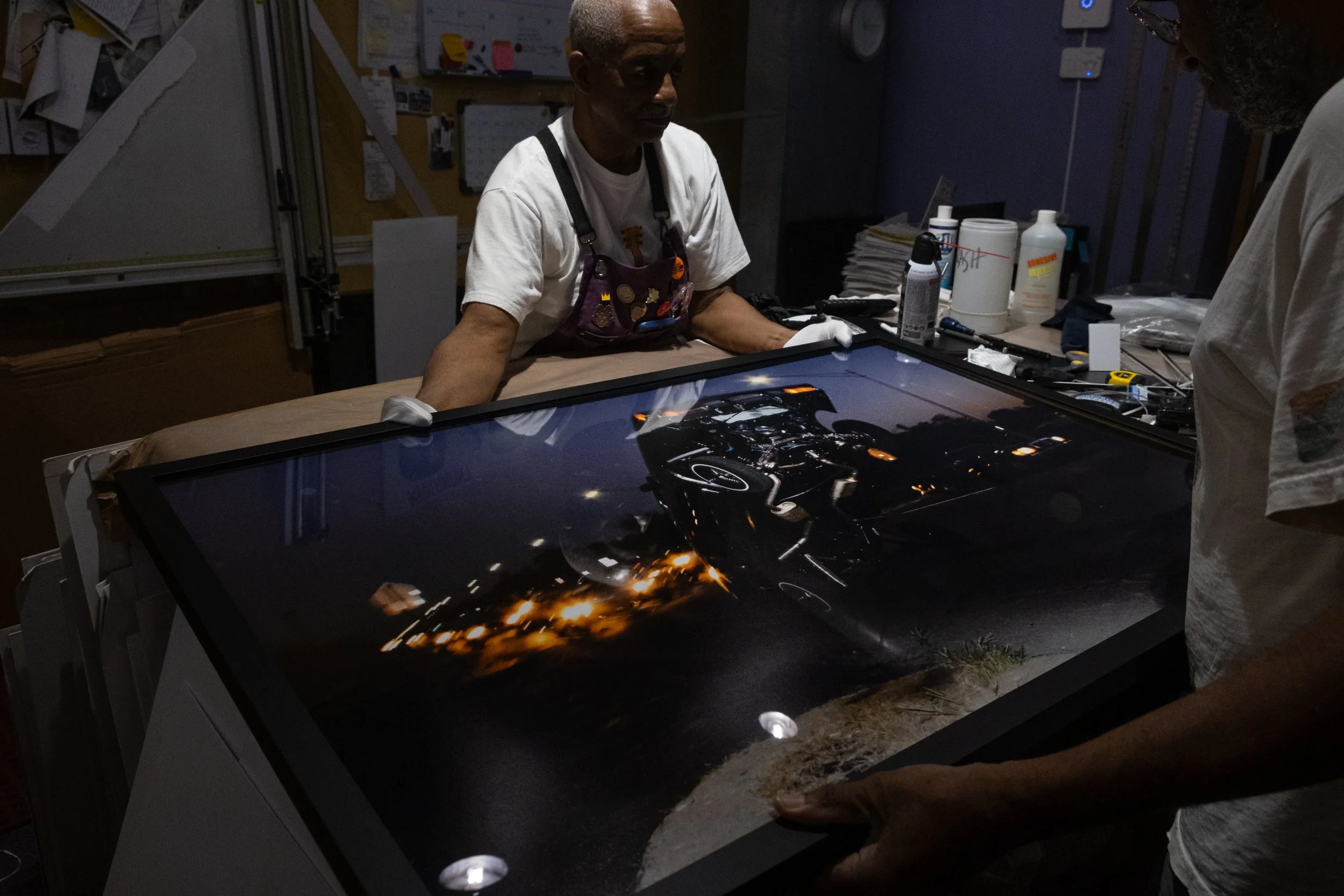
Before he went on vacation, Eric let me stop by so I could document some of the process him and the crew were working through. Partly for the archive. Mostly to say thank you.

I’ve recommended the shop for years. It feels good to finally be a part of and show some of the work happening there, too.
How A Photograph Should Feel

“There wasn’t anything wrong with the new proof. It just didn’t feel like the mood I knew.”

Gabriela Baginski and I have been working through proofs and paper decisions at Image Works for the exhibition. For the color photographs, we landed on Canson Platine Fiber Rag. The black and white work was giving me a harder time.

I brought in a few prints from my 2014 Scarab Club exhibition, printed by Tom Stoye, so we could compare them side by side with the new proofs. Those prints have always had a particular feel to me. The show was hung without frames, so the texture of the paper was part of how people experienced the photographs (whether they recognize it or not, it is an accumulated impression).

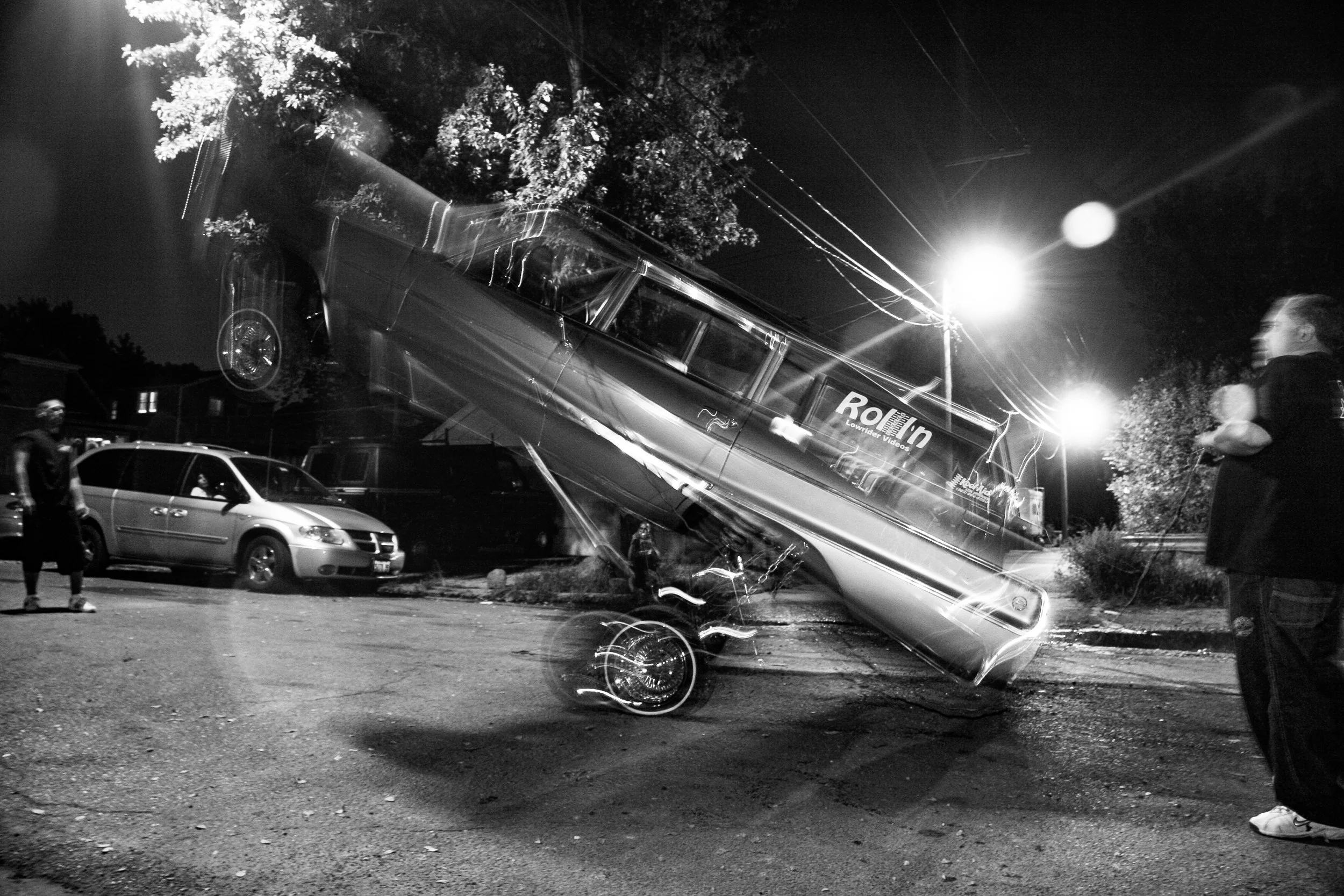
There was one photograph in particular, the small group on Crenshaw next to the Impala, that made the difference clear. There wasn’t anything wrong with the new proof. It just didn’t feel like the mood I knew and wanted to bring to this exhibition.

Gabby was patient with me while I worked through it, even though changing paper at this stage meant some extra work. We started looking at other options and eventually changed the black and white photographs to Moab Entrada Rag Natural. It’s a matte paper that felt much closer to what I wanted to borrow from the Scarab Club prints.

A few weeks later we printed the full black and white set.

Seeing them come off the printer was proof. Even knowing these photographs will eventually sit behind glass, the difference in the surface of the paper still comes through.

If I didn’t know already, the exhibition is teaching me just how many little decisions it takes to make a whole. Some parts are difficult to know until the right version is laid out next to one that doesn’t feel quite right.

I’m grateful to be working with people who understand this and are willing to keep looking with me until things feel right.

Finding The Energy

“I know this style and flow. I’m fluent. But it’s not my first language visually.”

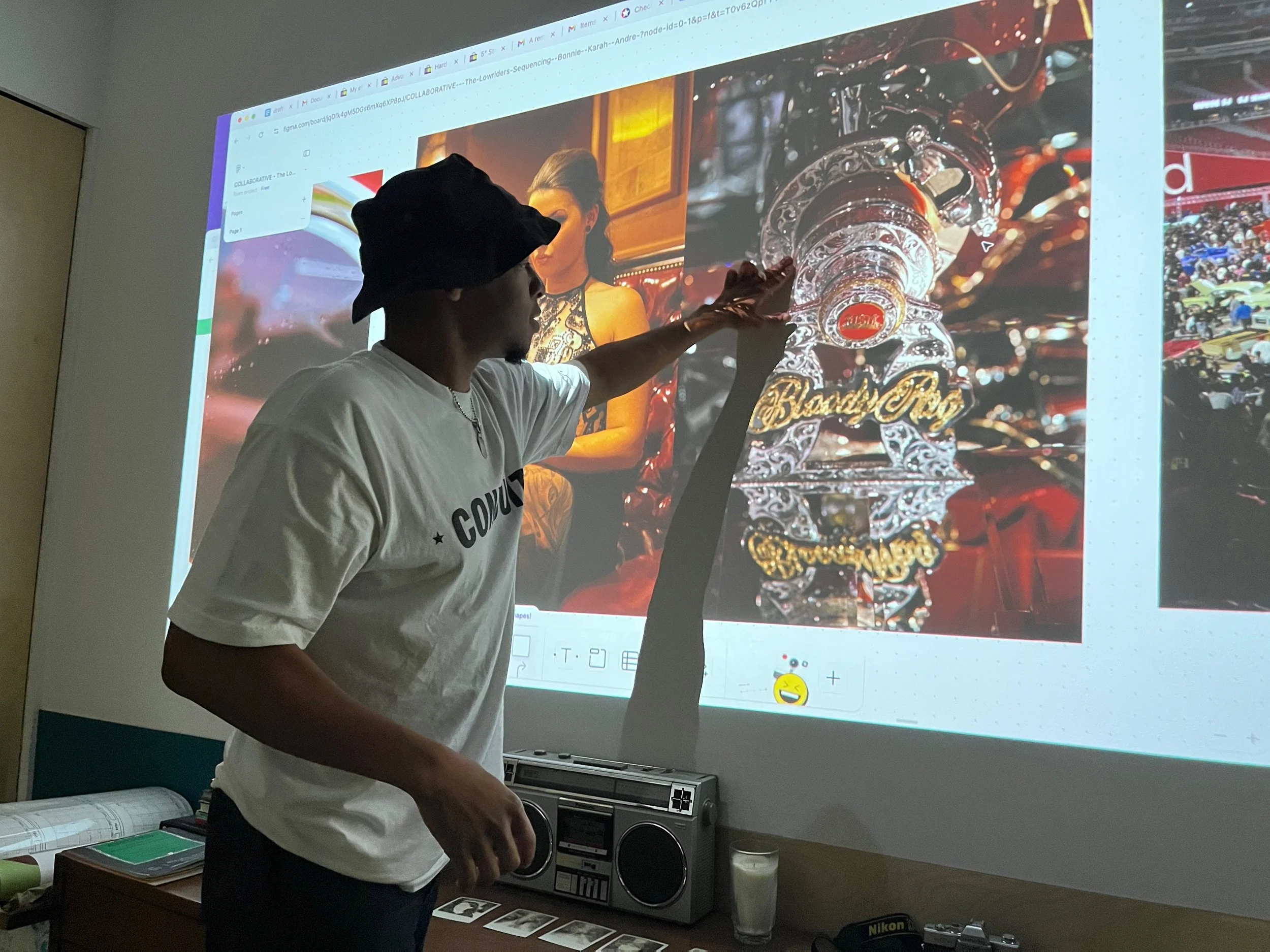
For the last few weeks, Andre and I have been working through the hallway portion of the exhibition for the Marshall Fredericks Sculpture Museum show.  

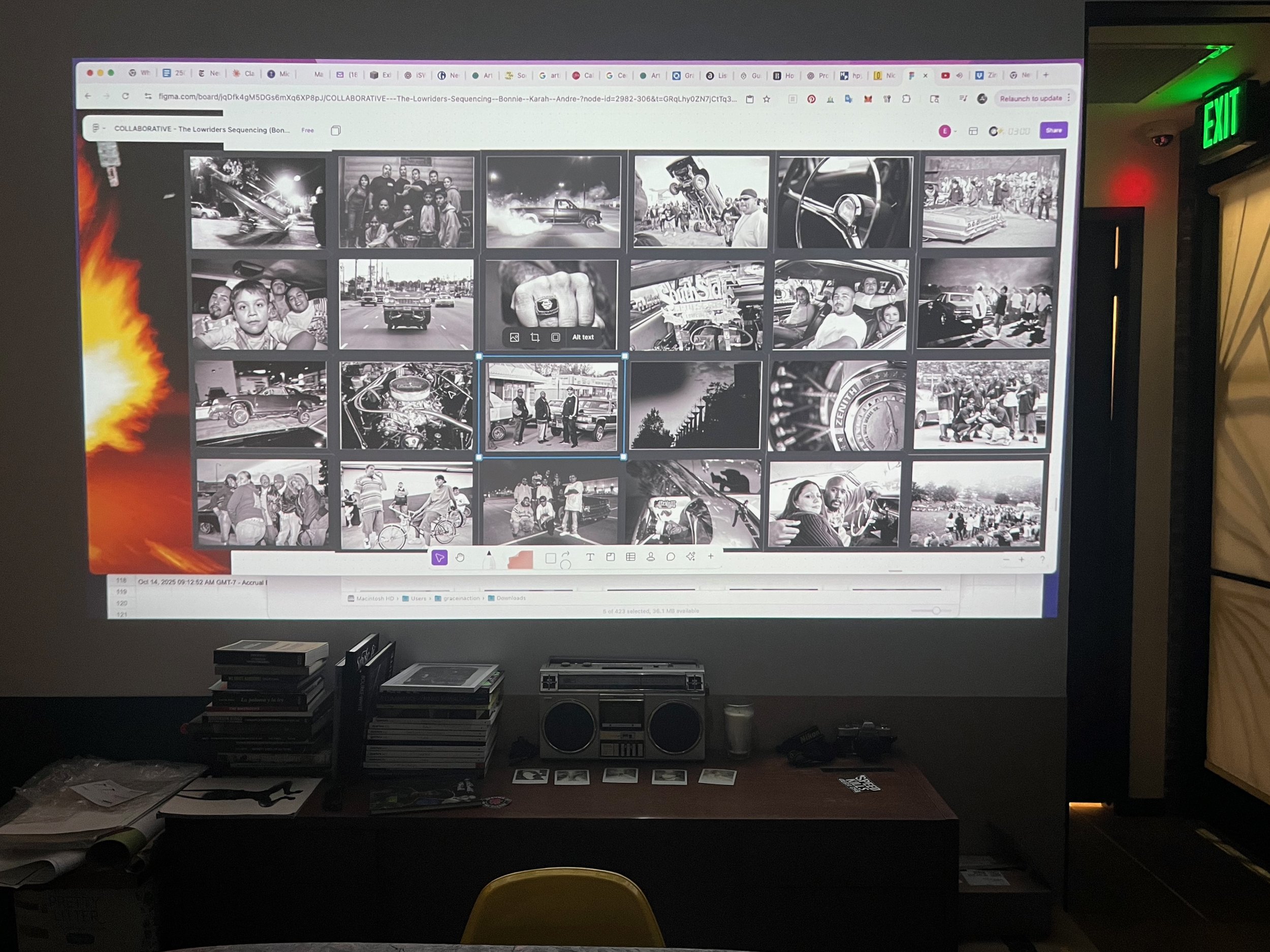
We started with a nine-photo grid that just wasn’t landing. I wanted this section to have a different kind of energy than what was happening in the main gallery. Something more visceral and immediate than the rest of the show.

I kept thinking about the visual language people often associate (or expect) with lowriding. Much of what gets to the general public is dramatic imagery. It’s spectacle—cars hopping, custom paint and engraving, tattoos, gestures, and urban landscapes. These are often the kinds of things that pull somebody in from the outside.

Juice, W. 62nd St., Chicago, IL (2008)

That isn’t usually how I choose to organize and present my work. I might use quieter photographs and everyday moments to build a story together with the more dramatic scenes. This is true with The Lowriders, it’s true with my photographs of Southwest Detroit, and with much of my work.

I do know this style and flow. I’m fluent. But it’s not my first language visually—it often feels sensational for stories that want to be told slowly, intimately. For this installation, though, I started to think it might be the place to let it show up more fully. It’s in a hallway outside the main gallery and it’s about how people encounter lowriding. 

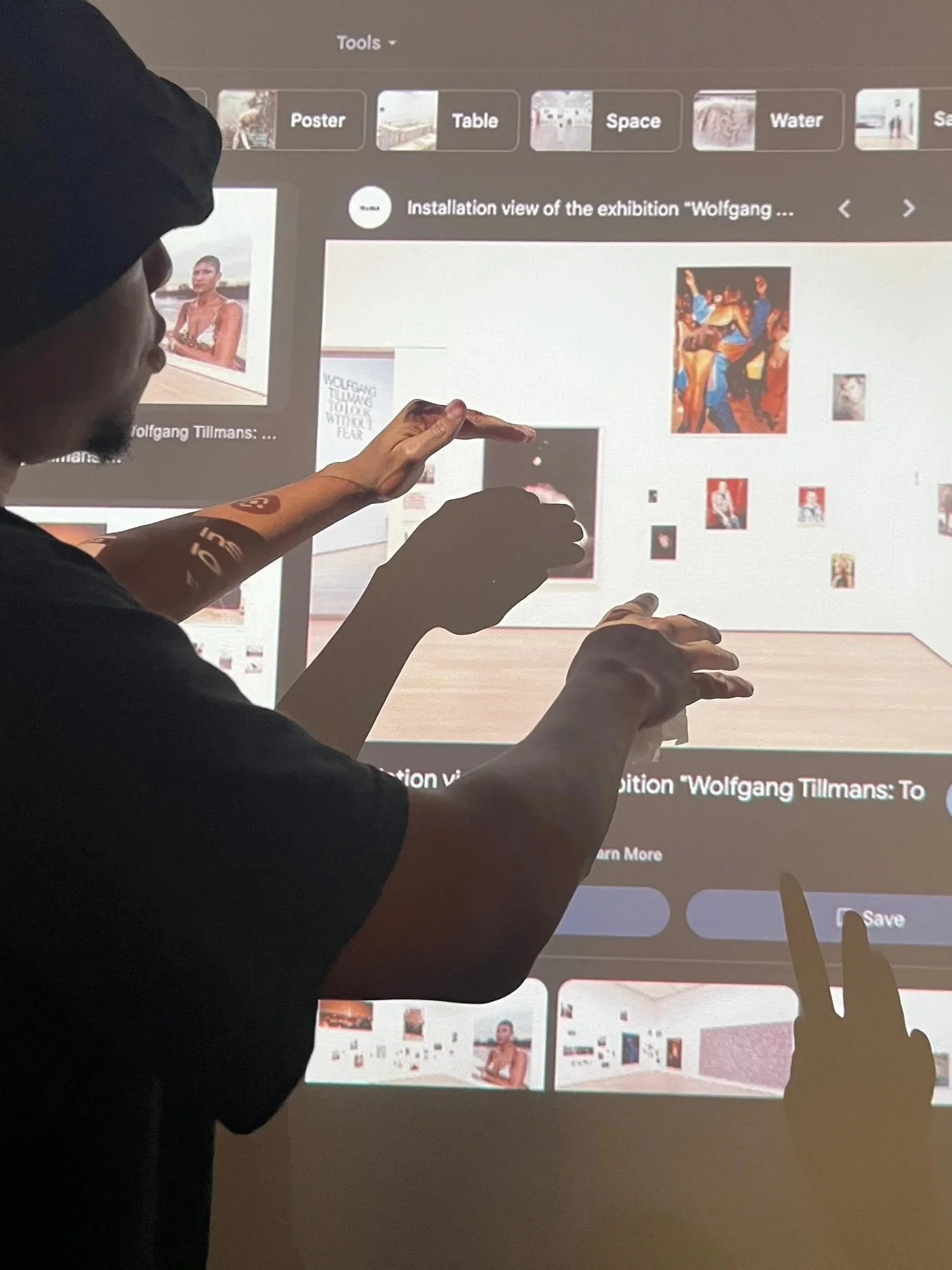
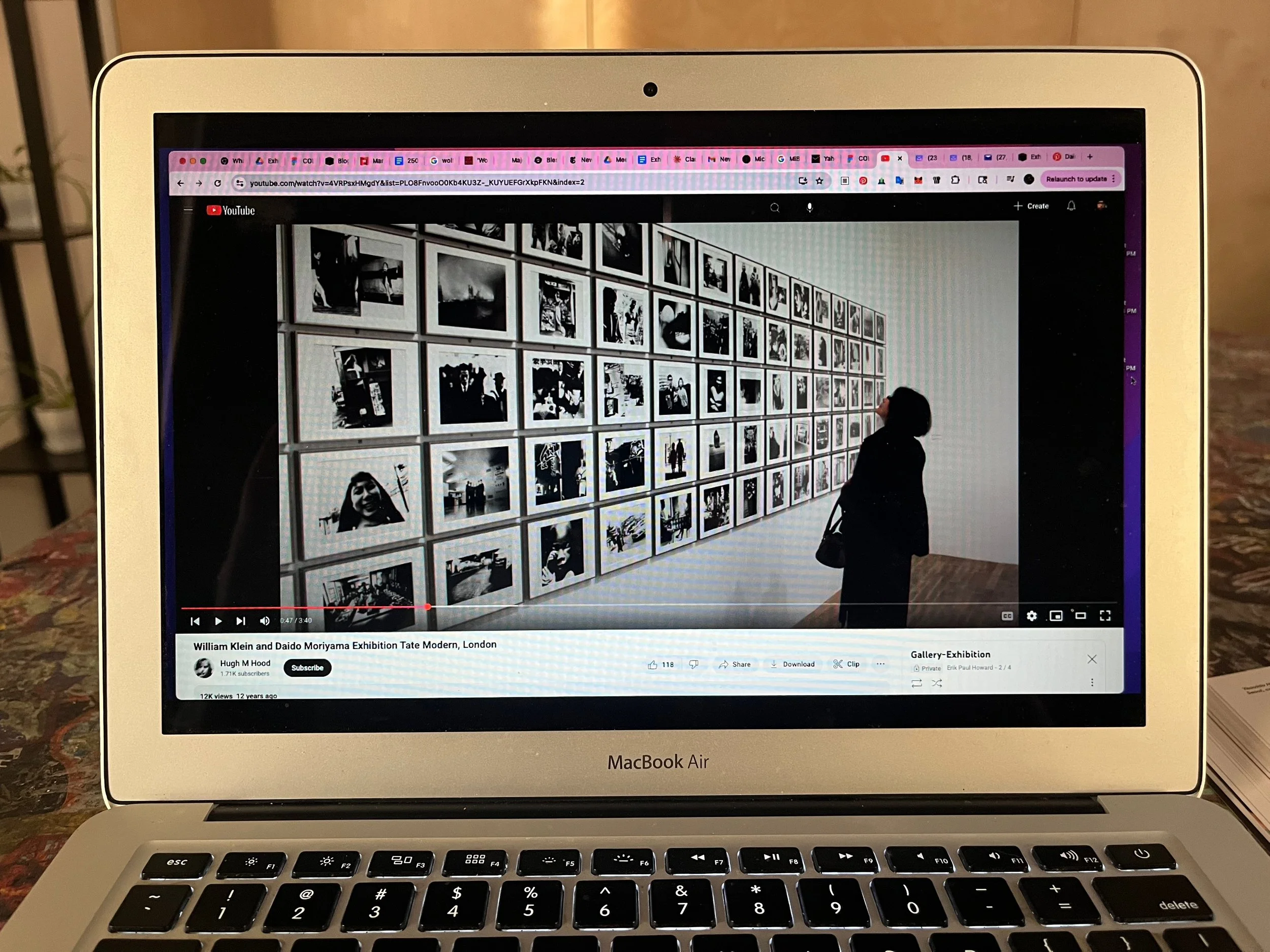
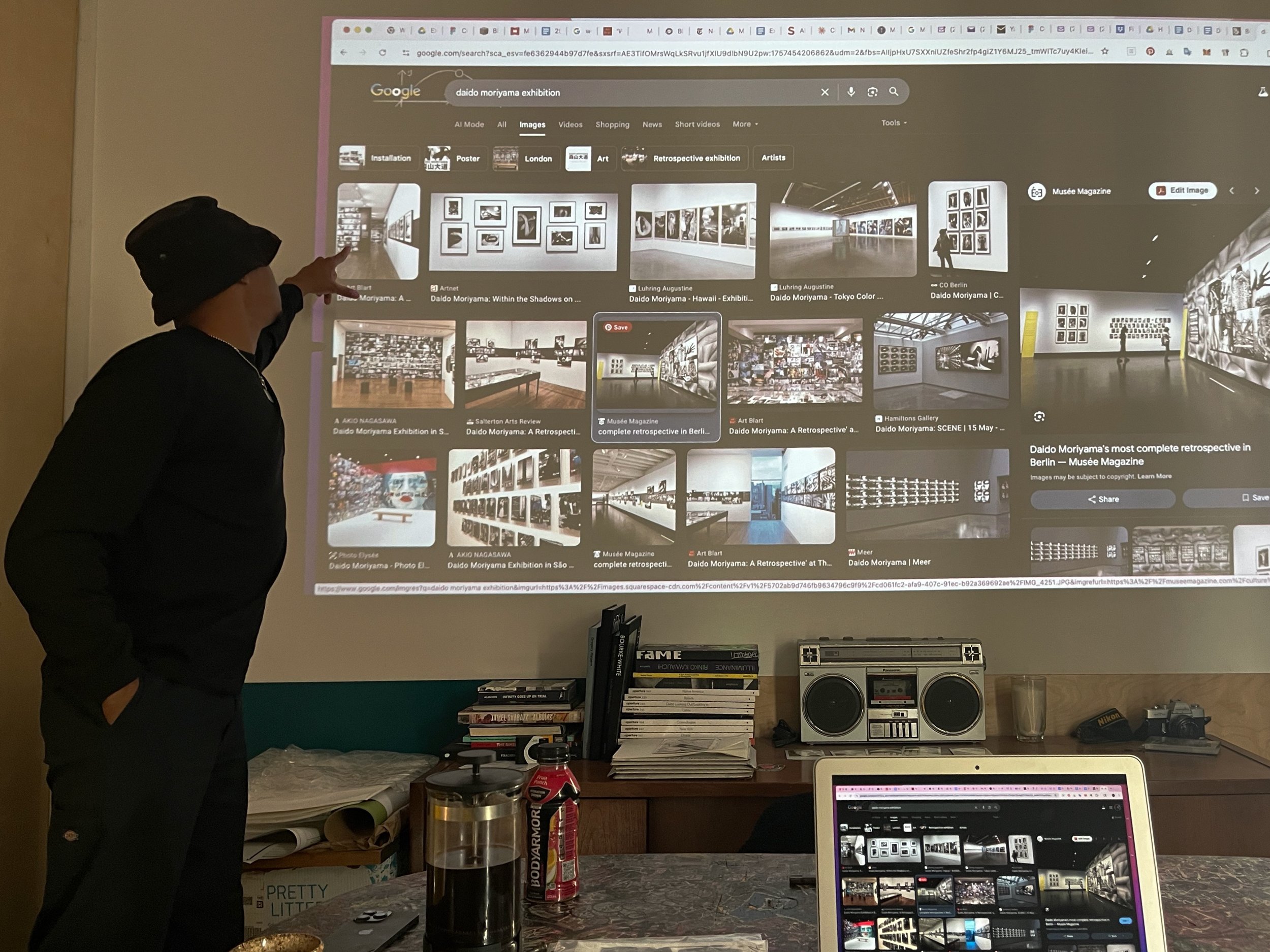
Andre introduced me to Daido Moriyama’s and Wolfgang Tillmans’ exhibitions and pointed out the way the photographs, scale, density, and space all work together to create an experience. That helped (and inspired) me. And it got us closer to what we were trying to do. 

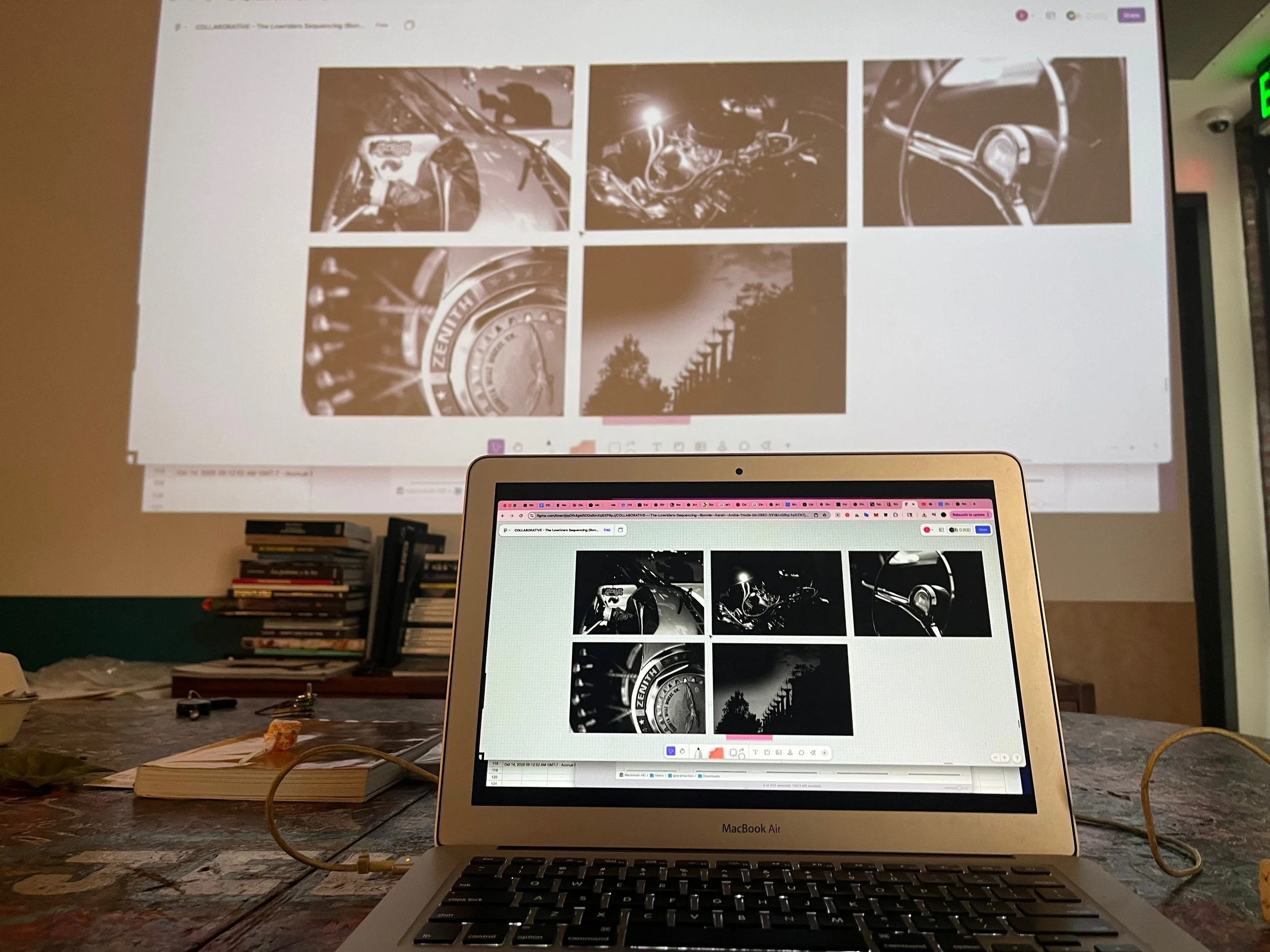
We expanded the grid to 24 photographs. I wanted to go all black and white and frame it with an image of fire coming out of the tailpipes of a classic Chevy on Woodward Ave. 

Fire. Woodward Ave., Detroit, MI. (2008)

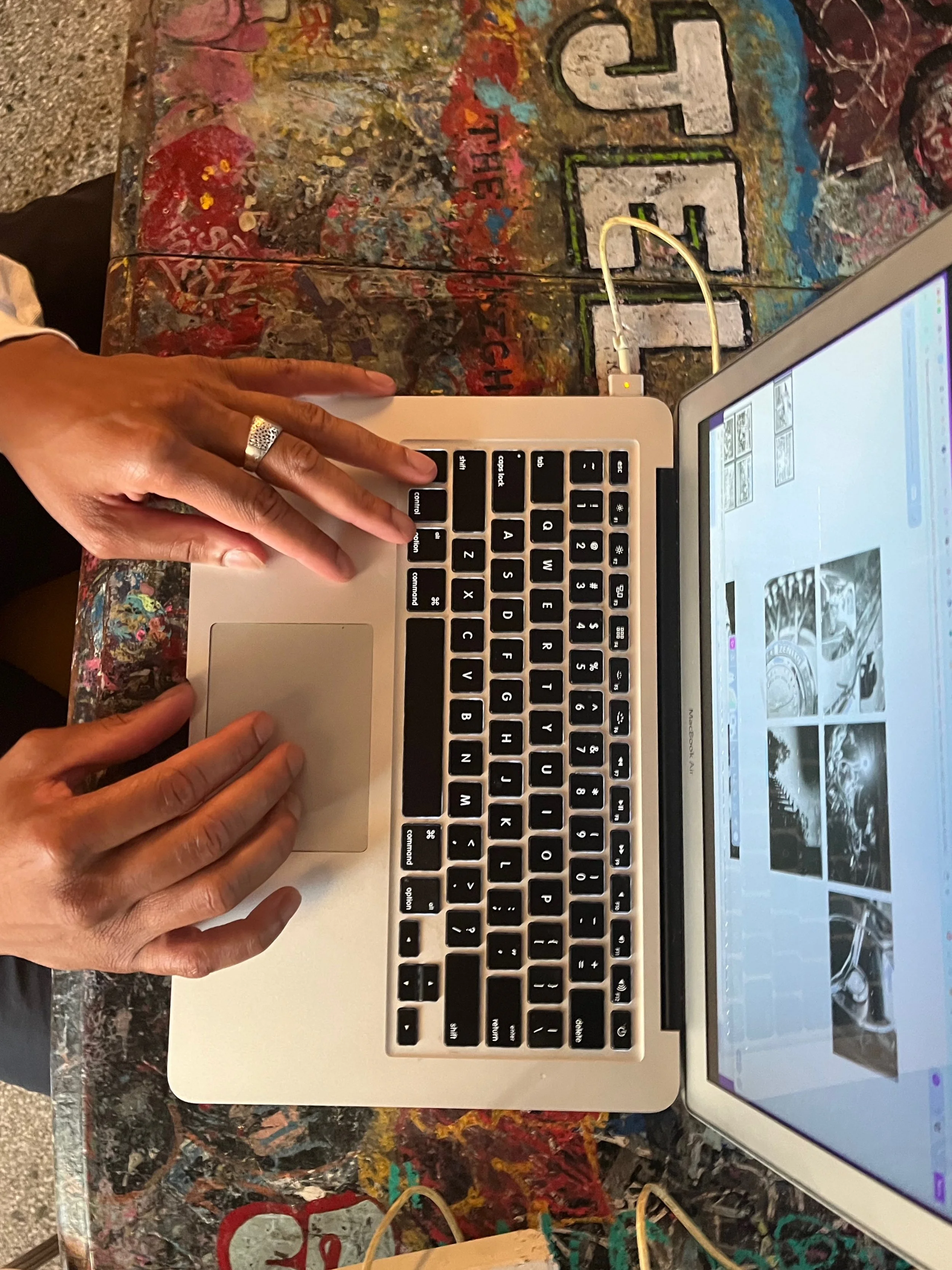
We worked at it slowly for a few weeks. A few sessions lasted a couple of hours and moved us forward only a little. Then one day we came to the studio, found an extended Dilla mix on YouTube and got to work.

I don’t know what happened… Flowers [09:10] for the transmission of Yancey loops and drums that had us in a different place.

At some point we realized the grid needed a different cadence. There were too many photographs doing the same kind of work. We started pulling photographs in and out, switched up the pacing and went looking for images that could interrupt the rhythm a little. We got into a flow. I went back into the archive for several medium shots, close details, and a few photographs that brought place firmly back into the sequence.

It came together fast.

After spending weeks trying to figure out what this part of the exhibition wanted to be, all of a sudden it felt right!

A few folks were around for community darkroom that day and came over to see it as we were finishing up. That felt right too. So much of this project has come together like that. Slowly, collaboratively, and then all at once.

Making A Show ≠ Enlarging A Book

“I know the photographs pretty well. What I didn’t know was what the room was going to ask from them.”

After several visits meeting with museum staff and beginning to conceptualize the show I really wanted to start coming back with some of our creative circle.

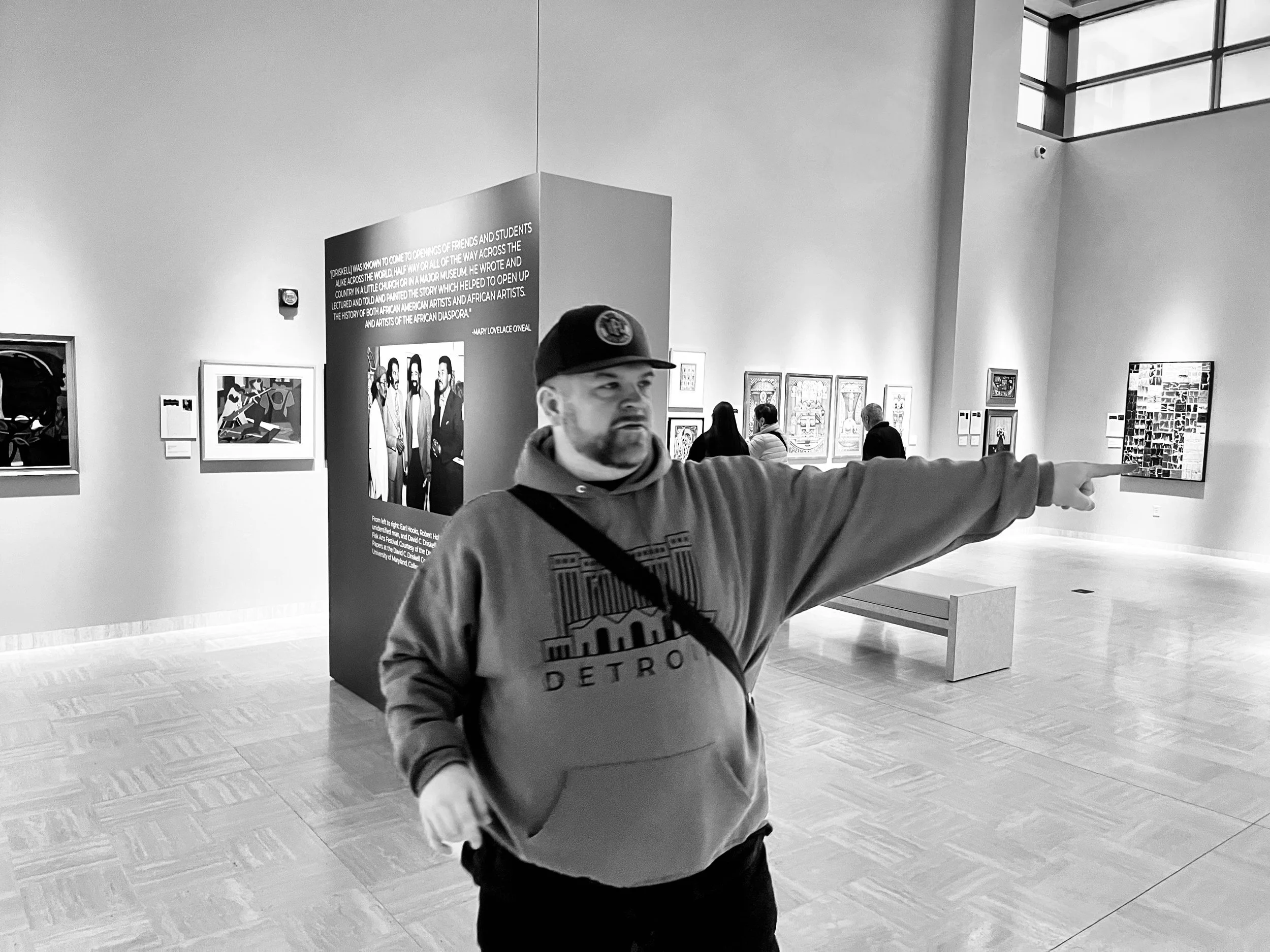
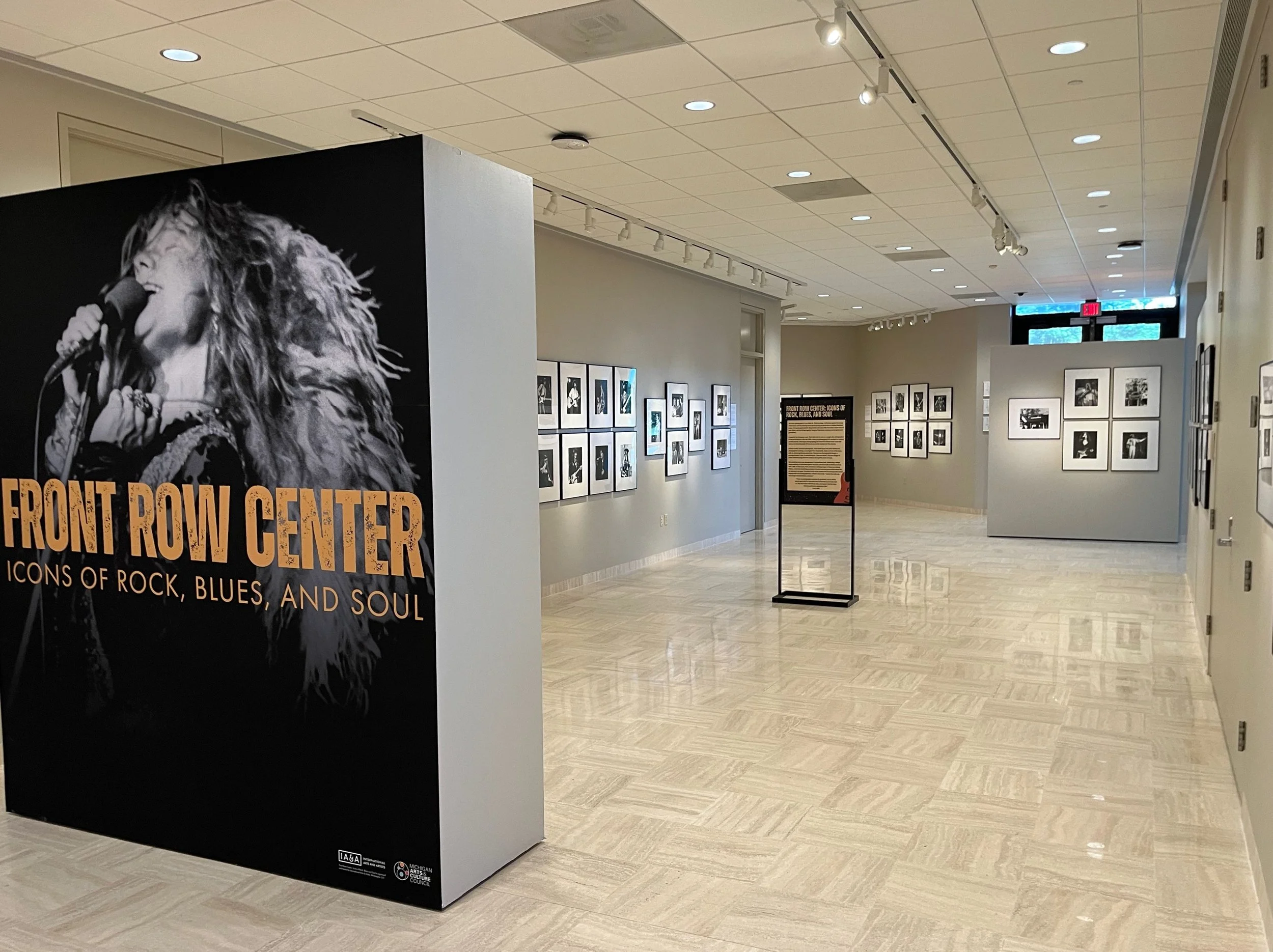
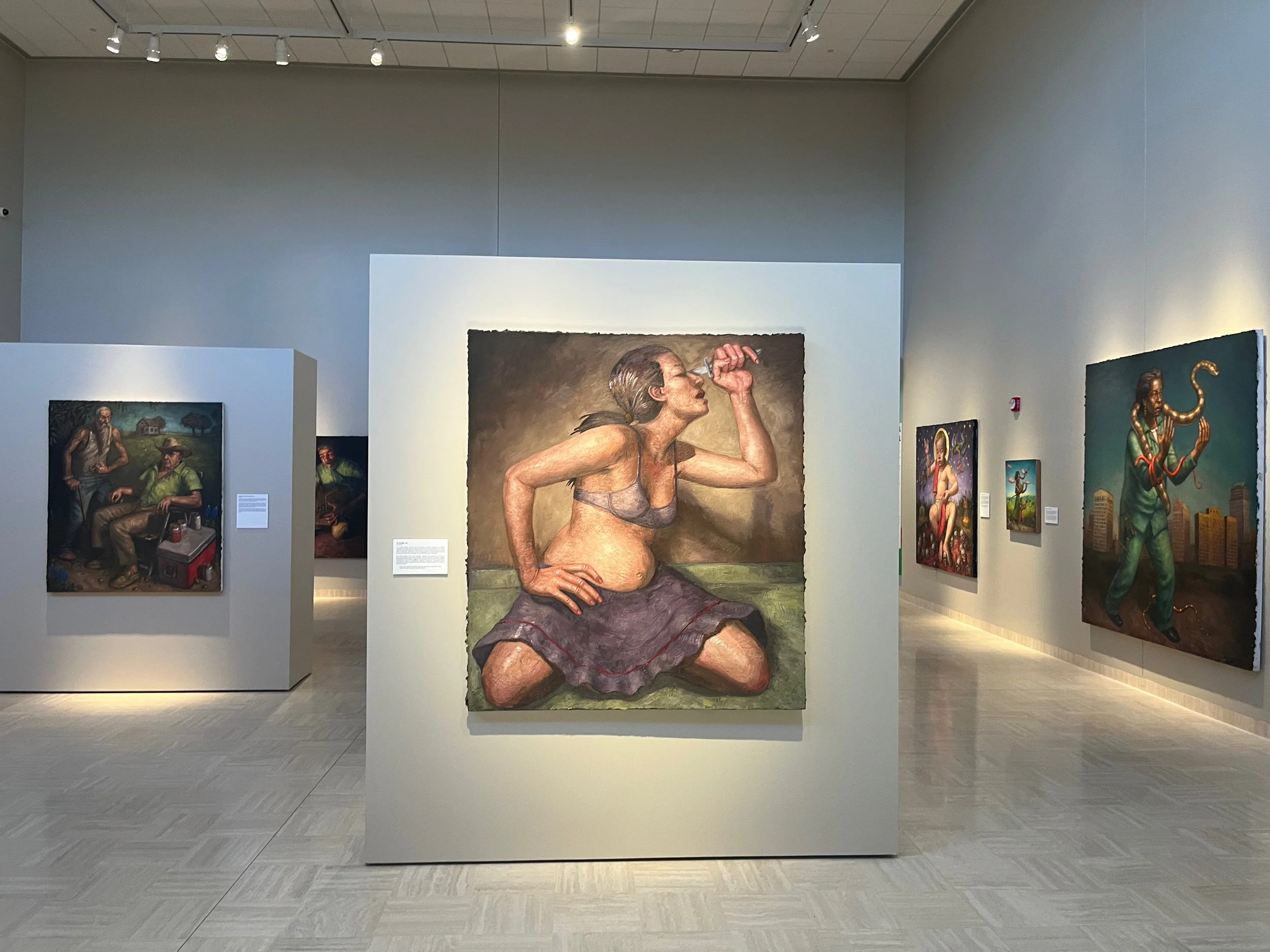
Graig and I went up to the Marshall M. Fredericks Sculpture Museum to walk the galleries, take measurements, and start thinking through how The Lowriders: From Detroit to L.A. and Back might live in the space.

Graig is co-founder of Young Nation, a board member of Inside Southwest Detroit, and has been part of my design education since the first project we worked on together in 2003. He brought so much to the participatory design process when we bought and renovated 8869 Avis, and now runs Proxy By Design, providing owner’s rep services to his clients.

So walking the gallery with him was the best possible company and his felt like the right set of eyes to have on the opportunity. At this point I know the photographs pretty well. What I didn’t know was what the room was going to ask from them.

I have been up to Saginaw several times over the past few months and shared photos of some of the exhibitions with him. We started talking about scale, sightlines, sequence, and how someone might move through the exhibition. Some photographs could work differently depending on what came before them, what they sat across from, or how much room they had around them.

A few of the ideas started affecting how I thought about final selection and sequencing right away! 

I don’t want the exhibition to just feel like the book blown up and hung on the walls. A book has its own rhythm and feel. The gallery works differently. You’re standing inside it and you get to see more than one thing at once… you can be pulled across the room in a different way than across the page and through a book.


Our visit was less about figuring out where everything would go and more about how the space should feel, how a visitor can move through it, and what standing next to the work could add to the storytelling. It was a big step toward the show becoming its own thing.